Items filtered by date: May 2024
How Osteoarthritis Affects The Feet and Ankles
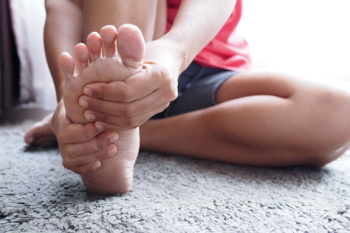
Discovering you have osteoarthritis in your feet and ankles can be disconcerting, but understanding how it affects your body is the first step toward managing it effectively. Osteoarthritis, the most common type of arthritis, can also impact any joint, including those in your feet and ankles. In the foot, the big toe is often the primary site of osteoarthritis. This condition occurs when the normal cycle of joint damage and repair is disrupted, leading to changes in joint structure and function. The damage primarily affects the cartilage, causing pain, swelling, and sometimes bone-on-bone friction during movement. Genetics, joint injuries, and certain medical conditions can increase your risk of developing osteoarthritis. Symptoms vary but can commonly include pain, swelling, stiffness, and even audible noises like crunching or grating when moving the affected joints. If you suspect you have osteoarthritis in your feet or ankles, seeking prompt evaluation and treatment from a podiatrist is important. Left untreated, osteoarthritis can lead to complications like a stiff big toe, bunions, corns and calluses, which can further impair mobility and the quality of life. If you believe you have symptoms of osteoarthritis, it is suggested that you schedule an appointment with a podiatrist for an exam and treatment options tailored to your needs.
Arthritis can be a difficult condition to live with. If you are seeking treatment, contact Sarah Urton, DPM from Kitsilano Foot and Ankle Clinic. Our doctor can provide the care you need to keep you pain-free and on your feet.
Arthritic Foot Care
Arthritis is a joint disorder that involves the inflammation of different joints in your body, such as those in your feet. Arthritis is often caused by a degenerative joint disease and causes mild to severe pain in all affected areas. In addition to this, swelling and stiffness in the affected joints can also be a common symptom of arthritis.
In many cases, wearing ill-fitting shoes can worsen the effects and pain of arthritis. Wearing shoes that have a lower heel and extra room can help your feet feel more comfortable. In cases of rheumatoid arthritis, the arch in your foot may become problematic. Buying shoes with proper arch support that contour to your feet can help immensely.
Alleviating Arthritic Pain
- Exercises that stretch the foot can prevent further pain and injury and increase mobility
- Most of the pain can be alleviated with anti-inflammatory drugs, heat, and topical medications
- Massages can help temporarily alleviate pain.
It is best to see your doctor for the treatment that is right for your needs and symptoms. Conditions vary, and a podiatrist can help you determine the right method of care for your feet.
If you have any questions, please feel free to contact our office located in Vancouver, BC . We offer the newest diagnostic tools and technology to treat your foot and ankle needs.
How Foot Biomechanics Impact Mobility
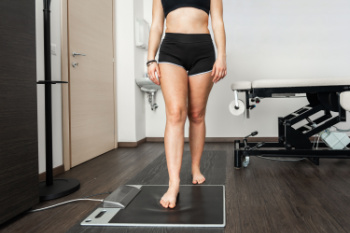 As people age, natural changes in foot biomechanics can significantly impact mobility and overall quality of life. The feet may lose padding and elasticity in the soft tissues, which can make walking uncomfortable due to the decreased cushioning. The arches of the feet may also flatten, a condition known as adult-acquired flatfoot. Flat feet can lead to changes in gait and increased strain on the ankles, knees, and hips. Additionally, conditions like arthritis may lead joints in the feet to stiffen and become less flexible, further limiting motion and causing pain during movement. These biomechanical changes can increase the risk of falls, reduce independence, and limit activities in older adults. Podiatrists play a key role in addressing these age-related changes by suggesting targeted treatment strategies. Included are prescribing orthotic devices to support weakened arches, recommending appropriate footwear to enhance stability and cushioning, and offering exercises to strengthen foot muscles and maintain joint flexibility. Regular check-ups with a podiatrist help manage these changes effectively, ensuring better mobility and reducing the risk of injury as one ages. If you are experiencing changes in your feet and mobility, it is suggested that you make an appointment with a podiatrist.
If you have any concerns about your feet, contact Sarah Urton, DPM from Kitsilano Foot and Ankle Clinic. Our doctor can provide the care you need to keep you pain-free and on your feet.
Biomechanics in Podiatry
Podiatric biomechanics is a particular sector of specialty podiatry with licensed practitioners who are trained to diagnose and treat conditions affecting the foot, ankle and lower leg. Biomechanics deals with the forces that act against the body, causing an interference with the biological structures. It focuses on the movement of the ankle, the foot and the forces that interact with them.
A History of Biomechanics
- Biomechanics dates back to the BC era in Egypt where evidence of professional foot care has been recorded.
- In 1974, biomechanics gained a higher profile from the studies of Merton Root, who claimed that by changing or controlling the forces between the ankle and the foot, corrections or conditions could be implemented to gain strength and coordination in the area.
Modern technological improvements are based on past theories and therapeutic processes that provide a better understanding of podiatric concepts for biomechanics. Computers can provide accurate information about the forces and patterns of the feet and lower legs.
Understanding biomechanics of the feet can help improve and eliminate pain, stopping further stress to the foot.
If you have any questions please feel free to contact our office located in Vancouver, BC . We offer the newest diagnostic and treatment technologies for all your foot and ankle needs.
Women’s Foot Health
As women enter their 40s, specific foot care becomes important to maintain overall health and mobility. Common foot issues like plantar fasciitis, bunions, and arthritis can affect women more significantly due to factors like hormonal changes, pregnancy, and footwear choices over the years. To avoid exacerbating these issues, it is beneficial for women to steer clear of high heels and narrow-toed shoes, which can lead to foot deformities and chronic pain. Additionally, prolonged wearing of flip-flops or flats without proper support can strain the arches and contribute to plantar fasciitis. Instead, opt for supportive footwear with cushioning and roomy toe boxes to accommodate natural foot shape and reduce pressure points. Regular foot exercises and stretches can also help alleviate discomfort and maintain flexibility. If you are a female and experiencing problems with your feet as you age, it is suggested that you consult a podiatrist for personalized care and treatment for long-term foot health.
Foot Pain
Foot pain can be extremely painful and debilitating. If you have a foot pain, consult with Sarah Urton, DPM from Kitsilano Foot and Ankle Clinic. Our doctor will assess your condition and provide you with quality foot and ankle treatment.
Causes
Foot pain is a very broad condition that could be caused by one or more ailments. The most common include:
- Bunions
- Hammertoes
- Plantar Fasciitis
- Bone Spurs
- Corns
- Tarsal Tunnel Syndrome
- Ingrown Toenails
- Arthritis (such as Gout, Rheumatoid, and Osteoarthritis)
- Flat Feet
- Injury (from stress fractures, broken toe, foot, ankle, Achilles tendon ruptures, and sprains)
- And more
Diagnosis
To figure out the cause of foot pain, podiatrists utilize several different methods. This can range from simple visual inspections and sensation tests to X-rays and MRI scans. Prior medical history, family medical history, and any recent physical traumatic events will all be taken into consideration for a proper diagnosis.
Treatment
Treatment depends upon the cause of the foot pain. Whether it is resting, staying off the foot, or having surgery; podiatrists have a number of treatment options available for foot pain.
If you have any questions, please feel free to contact our office located in Vancouver, BC . We offer the newest diagnostic and treatment technologies for all your foot care needs.
Common Ankle Injuries Among Surfers

Ankle injuries are an ongoing concern among surfers, especially those who continually push their limits in pursuit of perfect waves and daring tricks. From simple ligament strains to complex fractures, the spectrum of ankle injuries in surfing can lead to extended periods out of the water. To safeguard against ankle injuries, experts emphasize the importance of prioritizing ankle strength and stability. Enhancing proprioception, the body's spatial awareness is paramount for injury prevention. Balance exercises on unstable surfaces are often used to simulate conditions encountered while surfing. Plyometrics, which focuses on explosive movements and controlled landings, can aid in developing ankle resilience. Using resistance bands during ankle exercises can help strengthen key muscles involved in ankle stability. Incorporating dorsiflexion, internal rotation, and external rotation exercises can fortify ankle joints against the stresses of wave-riding and reduce vulnerability to injury. If you have injured your ankle while surfing, it is suggested that you make an appointment with a podiatrist for an exam and treatment options.
Sports related foot and ankle injuries require proper treatment before players can go back to their regular routines. For more information, contact Sarah Urton, DPM of Kitsilano Foot and Ankle Clinic. Our doctor can provide the care you need to keep you pain-free and on your feet.
Sports Related Foot and Ankle Injuries
Foot and ankle injuries are a common occurrence when it comes to athletes of any sport. While many athletes dismiss the initial aches and pains, the truth is that ignoring potential foot and ankle injuries can lead to serious problems. As athletes continue to place pressure and strain the area further, a mild injury can turn into something as serious as a rupture and may lead to a permanent disability. There are many factors that contribute to sports related foot and ankle injuries, which include failure to warm up properly, not providing support or wearing bad footwear. Common injuries and conditions athletes face, including:
- Plantar Fasciitis
- Plantar Fasciosis
- Achilles Tendinitis
- Achilles Tendon Rupture
- Ankle Sprains
Sports related injuries are commonly treated using the RICE method. This includes rest, applying ice to the injured area, compression and elevating the ankle. More serious sprains and injuries may require surgery, which could include arthroscopic and reconstructive surgery. Rehabilitation and therapy may also be required in order to get any recovering athlete to become fully functional again. Any unusual aches and pains an athlete sustains must be evaluated by a licensed, reputable medical professional.
If you have any questions please feel free to contact our office located in Vancouver, BC . We offer the newest diagnostic and treatment technologies for all your foot and ankle needs.
Arthritis Can Cause Pain in the Feet and Ankles
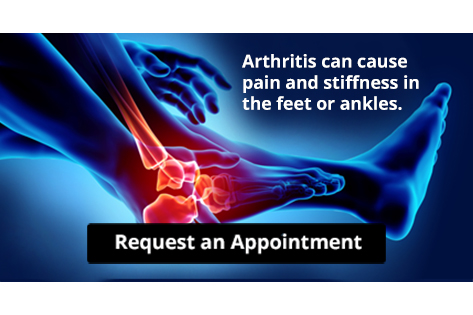
If you are suffering from tenderness, pain, or stiffness in the joints of your feet or ankles, call us to schedule an appointment.
