Items filtered by date: March 2025
Exercises Can Ease Morton’s Neuroma Pain
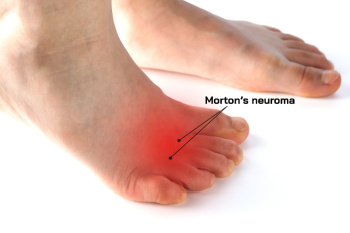
Morton’s neuroma affects the ball of the foot, often occurring between the third and fourth toes. Morton’s neuroma develops when the plantar digital nerve becomes compressed. This leads to thickened tissue and causes sharp or burning pain, numbness, or the sensation of a pebble inside the shoe. Exercises can help by improving foot strength, flexibility, and alignment to reduce pressure on the nerve. Toe-spreading exercises encourage natural toe positioning, while stretching the big toe and calf muscles can relieve tension in the forefoot. Strengthening exercises, such as towel curls and single-leg balance drills, help stabilize the foot and distribute weight more evenly during movement. Rolling a ball under the arch of the foot may also aid in reducing discomfort. While these exercises may provide relief, persistent symptoms should not be ignored. A podiatrist can evaluate your symptoms, recommend orthotic support if necessary, and determine whether additional treatment is required. If you have symptoms of Morton's neuroma, it is suggested that you schedule an appointment with a podiatrist for an exam, diagnosis, and treatment options.
Morton’s neuroma is a very uncomfortable condition to live with. If you think you have Morton’s neuroma, contact Sarah Urton, DPM of Kitsilano Foot and Ankle Clinic. Our doctor will attend to all of your foot care needs and answer any of your related questions.
Morton’s Neuroma
Morton's neuroma is a painful foot condition that commonly affects the areas between the second and third or third and fourth toe, although other areas of the foot are also susceptible. Morton’s neuroma is caused by an inflamed nerve in the foot that is being squeezed and aggravated by surrounding bones.
What Increases the Chances of Having Morton’s Neuroma?
- Ill-fitting high heels or shoes that add pressure to the toe or foot
- Jogging, running or any sport that involves constant impact to the foot
- Flat feet, bunions, and any other foot deformities
Morton’s neuroma is a very treatable condition. Orthotics and shoe inserts can often be used to alleviate the pain on the forefront of the feet. In more severe cases, corticosteroids can also be prescribed. In order to figure out the best treatment for your neuroma, it’s recommended to seek the care of a podiatrist who can diagnose your condition and provide different treatment options.
If you have any questions, please feel free to contact our office located in Vancouver, BC . We offer the newest diagnostic and treatment technologies for all your foot care needs.
Bone Spurs in the Elderly
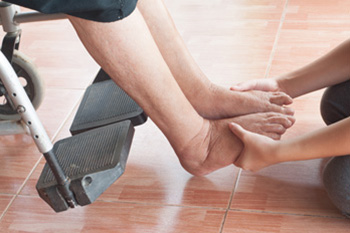
Bone spurs on the feet are common, especially among people over 60. These bony growths develop over time, typically where bones meet joints, often due to repetitive stress or aging. They can form on the heel, the ball of the foot, or around the toes. Symptoms include pain, swelling, or a noticeable bump on the foot. The pain may worsen with activity, especially after prolonged walking or standing. The primary cause of bone spurs is the wear and tear on the cartilage in the joints, which leads to bone growth as a response. Factors like arthritis, flat feet, or abnormal foot mechanics can increase the risk of developing bone spurs. A podiatrist can diagnose bone spurs through physical exams and imaging tests. Treatment options include custom orthotics to relieve pressure, anti-inflammatory medication, targeted exercises, or in severe cases, surgery to remove the spur. If you suspect you have a bone spur, it is suggested that you schedule an appointment with a podiatrist for an accurate diagnose and correct treatment solutions.
Proper foot care is something many older adults forget to consider. If you have any concerns about your feet and ankles, contact Sarah Urton, DPM from Kitsilano Foot and Ankle Clinic. Our doctor can provide the care you need to keep you pain-free and on your feet.
The Elderly and Their Feet
As we age we start to notice many changes in our body, but the elder population may not notice them right away. Medical conditions may prevent the elderly to take notice of their foot health right away. Poor vision is a lead contributor to not taking action for the elderly.
Common Conditions
- Neuropathy – can reduce feeling in the feet and can hide many life-threatening medical conditions.
- Reduced flexibility – prevents the ability of proper toenail trimming, and foot cleaning. If left untreated, it may lead to further medical issues.
- Foot sores – amongst the older population can be serious before they are discovered. Some of the problematic conditions they may face are:
- Gouging toenails affecting nearby toe
- Shoes that don’t fit properly
- Pressure sores
- Loss of circulation in legs & feet
- Edema & swelling of feet and ankles
Susceptible Infections
Diabetes and poor circulation can cause general loss of sensitivity over the years, turning a simple cut into a serious issue.
If you have any questions please feel free to contact our office located in Vancouver, BC . We offer the newest diagnostic and treatment technologies for all your foot and ankle needs.
Foot Stretches for Flexibility and Strength
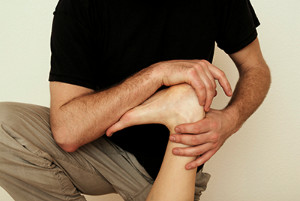
Regular foot stretches help improve flexibility and strength, benefiting overall movement and stability. Stretching the toes, arches, and ankles enhances mobility by increasing the range of motion in the foot and preventing stiffness. Strengthening exercises support the muscles and tendons, reducing the risk of injuries such as sprains and strains. These stretches also contribute to enhanced performance in activities that require balance and coordination, including dance, sports, and daily movement. Proper foot flexibility supports better posture by aligning the lower body and reducing strain on the knees and hips. Gentle stretches, such as toe extensions, arch lifts, and ankle rotations, promote circulation and relieve tension. If you have foot pain, it is suggested that you consult a podiatrist who can treat various foot conditions, and guide you further on effective foot stretches for relief.
Why Stretching Is Important for Your Feet
Stretching the feet is a great way to prevent injuries. If you have any concerns with your feet consult with Sarah Urton, DPM from Kitsilano Foot and Ankle Clinic. Our doctor will assess your condition and provide you with quality foot and ankle treatment.
Stretching the Feet
Stretching the muscles in the foot is an important part in any physical activity. Feet that are tight can lead to less flexibility and make you more prone to injury. One of the most common forms of foot pain, plantar fasciitis, can be stretched out to help ease the pain. Stretching can not only ease pain from plantar fasciitis but also prevent it as well. However, it is important to see a podiatrist first to determine if stretching is right for you. Podiatrists can also recommend other ways to stretch your feet. Once you know whether stretching is right for you, here are some excellent stretches you can do.
- Using a foam roller or any cylindrical object (a water bottle or soda can will do), roll the object under your foot back and forth. You should also exert pressure on the object. Be sure to do this to both feet for a minute. Do this exercise three times each.
- Similar to the previous exercise, take a ball, such as a tennis ball, and roll it under your foot while seated and exert pressure on it.
- Grab a resistance band or towel and take a seat. If you are using a towel, fold it length wise. Next put either one between the ball of your foot and heel and pull with both hands on each side towards you. Hold this for 15 seconds and then switch feet. Do this three times for each foot.
- Finally hold your big toe while crossing one leg over the other. Pull the toe towards you and hold for 15 seconds. Once again do this three times per foot.
It is best to go easy when first stretching your foot and work your way up. If your foot starts hurting, stop exercising to ice and rest the foot. It is advised that you then see a podiatrist for help.
If you have any questions, please feel free to contact our office located in Vancouver, BC . We offer the newest diagnostic and treatment technologies for all your foot care needs.
Signs of Diabetic Peripheral Neuropathy
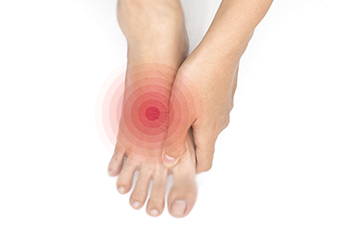
Diabetic peripheral neuropathy is a condition caused by prolonged high blood sugar levels that damage the nerves, especially those in the feet, toes, and ankles. Many people first notice numbness, tingling, or burning sensations, which can become more intense at night. Some patients may feel sudden, sharp pains or an electric shock-like sensation in their feet. As diabetic peripheral neuropathy progresses, loss of balance and coordination may also occur due to weakened ankle muscles and decreased sensation. This can lead to an unstable gait that increases the risk of falls. Changes in foot structure, such as hammertoes, may develop as nerve damage affects muscle function. One significant concern is the inability to feel cuts, blisters, or pressure points, which can result in unnoticed wounds that may become infected. A podiatrist can evaluate nerve function, provide foot care strategies, and recommend treatment to help prevent complications like foot ulcers and deformities. If your feet and toes feel numb, it is suggested that you schedule an appointment with a podiatrist to find out if peripheral neuropathy is causing the problem.
Neuropathy
Neuropathy can be a potentially serious condition, especially if it is left undiagnosed. If you have any concerns that you may be experiencing nerve loss in your feet, consult with Sarah Urton, DPM from Kitsilano Foot and Ankle Clinic. Our doctor will assess your condition and provide you with quality foot and ankle treatment for neuropathy.
What Is Neuropathy?
Neuropathy is a condition that leads to damage to the nerves in the body. Peripheral neuropathy, or neuropathy that affects your peripheral nervous system, usually occurs in the feet. Neuropathy can be triggered by a number of different causes. Such causes include diabetes, infections, cancers, disorders, and toxic substances.
Symptoms of Neuropathy Include:
- Numbness
- Sensation loss
- Prickling and tingling sensations
- Throbbing, freezing, burning pains
- Muscle weakness
Those with diabetes are at serious risk due to being unable to feel an ulcer on their feet. Diabetics usually also suffer from poor blood circulation. This can lead to the wound not healing, infections occurring, and the limb may have to be amputated.
Treatment
To treat neuropathy in the foot, podiatrists will first diagnose the cause of the neuropathy. Figuring out the underlying cause of the neuropathy will allow the podiatrist to prescribe the best treatment, whether it be caused by diabetes, toxic substance exposure, infection, etc. If the nerve has not died, then it’s possible that sensation may be able to return to the foot.
Pain medication may be issued for pain. Electrical nerve stimulation can be used to stimulate nerves. If the neuropathy is caused from pressure on the nerves, then surgery may be necessary.
If you have any questions, please feel free to contact our office located in Vancouver, BC . We offer the newest diagnostic and treatment technologies for all your foot care needs.
Gout Pain Can Be Managed

Gout is a painful, inflammatory form of arthritis. Those affected will typically feel an intense stiffness in the joints of their feet, particularly in the big toe. Schedule a visit to learn about how gout can be managed and treated.
