
Foot Pain and the Risk of Falling in Seniors

Falls become a greater concern as people grow older, and the feet play a much larger role than many realize. Foot pain, poor balance, and changes in foot shape can make it harder to stay steady while walking. Conditions like bunions, hammertoes, and arthritis can affect the way a person walks and increase the chance of losing balance. Reduced feeling in the feet, which can develop with aging or certain medical conditions, also makes it more difficult to sense the ground. Shoes that lack proper support create another risk because they reduce stability. Paying attention to foot health is an important part of lowering the risk of falls and protecting overall mobility.

A podiatrist can identify foot problems that affect balance before they lead to a serious injury. A foot examination checks for pain, loss of feeling, and circulation concerns that could interfere with safe movement. Treatment includes reducing painful pressure, improving foot function, and recommending custom orthotics when they are appropriate. A podiatrist can also address conditions like ingrown toenails, thick toenails, or painful calluses that may change the way people walk. Early care helps improve comfort and supports a more stable walking pattern. Better foot function can also make daily activities feel safer and more comfortable.

Falls can cause broken bones, ankle injuries, and serious foot damage that limits independence. Research has shown that foot pain is linked to slower walking and poorer balance. This makes it an important risk factor that should not be overlooked. Addressing foot problems before they become severe supports safer movement and greater confidence while walking. Taking care of your feet could improve your chances of staying on them. Regular visits with a podiatrist help detect changes that might otherwise go unnoticed. If you have injured your foot or ankle from falling, or feel you may be at risk, it is suggested that you schedule an appointment with a podiatrist for effective treatment and prevention tips. 

Preventing falls among the elderly is very important. If you are older and have fallen or fear that you are prone to falling, consult with Sarah Urton, DPM from Kitsilano Foot and Ankle Clinic. Our doctor will assess your condition and provide you with quality advice and care.

Every 11 seconds, an elderly American is being treated in an emergency room for a fall related injury. Falls are the leading cause of head and hip injuries for those 65 and older. Due to decreases in strength, balance, senses, and lack of awareness, elderly persons are very susceptible to falling. Thankfully, there are a number of things older persons can do to prevent falls.

How to Prevent Falls

Some effective methods that older persons can do to prevent falls include:

  • Enrolling in strength and balance exercise program to increase balance and strength
  • Periodically having your sight and hearing checked
  • Discuss any medications you have with a doctor to see if it increases the risk of falling
  • Clearing the house of falling hazards and installing devices like grab bars and railings
  • Utilizing a walker or cane
  • Wearing shoes that provide good support and cushioning
  • Talking to family members about falling and increasing awareness

Falling can be a traumatic and embarrassing experience for elderly persons; this can make them less willing to leave the house, and less willing to talk to someone about their fears of falling. Doing such things, however, will increase the likelihood of tripping or losing one’s balance. Knowing the causes of falling and how to prevent them is the best way to mitigate the risk of serious injury.  

If you have any questions, please feel free to contact our office located in Vancouver, BC . We offer the newest diagnostic and treatment technologies for all your foot care needs.

Read more about Falls Prevention

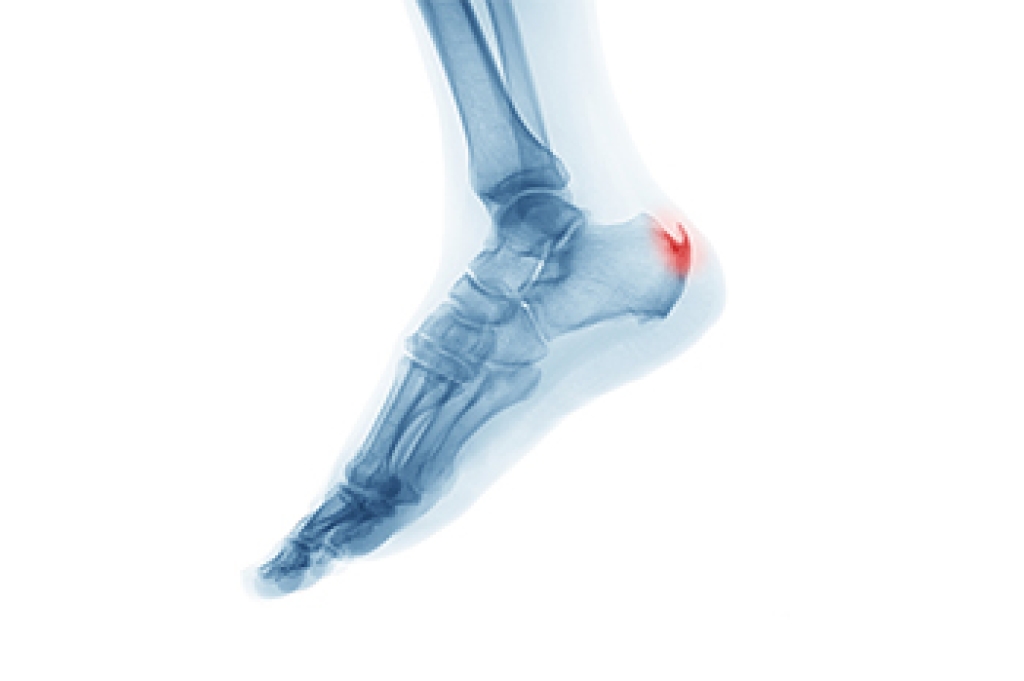
Location of Heel Spurs

Heel spurs are calcium deposits that create a pointed extension of bone on the heel. These growths are typically found either under the sole where the plantar fascia attaches, or at the back of the heel near the Achilles tendon. They are considered a common source of heel pain and are often linked to long term stress on the connective tissues of the foot. Although heel spurs can exist without symptoms, they are frequently associated with discomfort that affects daily mobility.

Symptoms often begin as mild irritation but can progress into more noticeable pain. Individuals may feel a sharp or stabbing sensation under the heel when taking initial steps after rest. The discomfort can shift into a dull ache after prolonged standing or walking. In some cases, swelling and localized tenderness develop. When the spur forms at the back of the heel, it may cause stiffness and pain when wearing shoes or during physical activity.


Risk factors for heel spurs include repetitive strain from high-impact activities, wearing improper footwear that lacks arch support, and occupations that require long periods of time standing. Age also plays a role, as the plantar fascia loses elasticity over time. Tight calf muscles and limited ankle flexibility can increase tension on the heel, further contributing to spur formation. Conditions such as obesity and poor foot mechanics also elevate the risk.


Heel spurs develop as the body responds to chronic pulling of the plantar fascia on the heel bone. Addressing the underlying cause is essential for long-term relief. Stretching exercises, wearing supportive shoes, and early evaluation can reduce strain and improve function. If heel pain continues, it is suggested that you seek care from a podiatrist who can accurately diagnose and effectively treat heel spurs.

Heel spurs can be incredibly painful and sometimes may make you unable to participate in physical activities. To get medical care for your heel spurs, contact Sarah Urton, DPM from Kitsilano Foot and Ankle Clinic. Our doctor will do everything possible to treat your condition.

Heels Spurs

Heel spurs are formed by calcium deposits on the back of the foot where the heel is. This can also be caused by small fragments of bone breaking off one section of the foot, attaching onto the back of the foot. Heel spurs can also be bone growth on the back of the foot and may grow in the direction of the arch of the foot.

Older individuals usually suffer from heel spurs and pain sometimes intensifies with age. One of the main condition's spurs are related to is plantar fasciitis.

Pain

The pain associated with spurs is often because of weight placed on the feet. When someone is walking, their entire weight is concentrated on the feet. Bone spurs then have the tendency to affect other bones and tissues around the foot. As the pain continues, the feet will become tender and sensitive over time.

Treatments

There are many ways to treat heel spurs. If one is suffering from heel spurs in conjunction with pain, there are several methods for healing. Medication, surgery, and herbal care are some options.

If you have any questions, please feel free to contact our office located in Vancouver, BC . We offer the newest diagnostic and treatment technologies for all your foot care needs.

Read more about Heel Spurs

Do You Suffer From Painful Feet?

Painful deformities, such as hammertoes, can be treated. Stop living with foot pain, and have beautiful feet again!

Broken Ankle Treatment and Recovery

A broken ankle is a serious injury that requires prompt medical attention. An ankle fracture occurs when one or more bones that form the ankle joint crack or break. This injury can happen after a fall, a sports accident, or a sudden twisting movement. Symptoms include severe pain, swelling, and bruising. Many people find it difficult or impossible to put weight on the injured foot. In some cases, the ankle appears misshapen or out of position. A podiatrist can examine the injury and order X-rays to determine the location and severity of the fracture. Early diagnosis is important because proper treatment helps the bones heal in the correct position and lowers the risk of long-term problems.

Treatment depends on the type of fracture and how far the bones have moved. Minor fractures may be treated with a supportive walking boot or a cast. These devices help keep the ankle stable while the bone heals. More serious fractures sometimes require the bones to be carefully moved back into place. This procedure restores normal alignment of the joint. Some patients need surgery to secure the broken bones with metal plates or screws. A podiatrist monitors healing through follow-up visits and imaging studies. Regular evaluations help ensure the ankle remains stable and is healing as expected.

Recovery from a broken ankle takes patience and close medical supervision. Many ankle fractures heal within several weeks, although healing times vary depending on the injury. As recovery progresses, a podiatrist may recommend specific exercises to improve movement and strength. Follow-up care also helps identify problems, such as stiffness, swelling, or delayed healing. Prompt treatment gives patients the best chance of returning to normal activities safely. If you believe you have broken your ankle, it is suggested that you make an emergency appointment with a podiatrist for diagnosis and appropriate treatment.

Broken ankles need immediate treatment. If you are seeking treatment, contact Sarah Urton, DPM from Kitsilano Foot and Ankle Clinic. Our doctor can provide the care you need to keep you pain-free and on your feet. 

Broken Ankles
A broken ankle is experienced when a person fractures their tibia or fibula in the lower leg and ankle area. Both of these bones are attached at the bottom of the leg and combine to form what we know to be our ankle.

When a physician is referring to a break of the ankle, he or she is usually referring to a break in the area where the tibia and fibula are joined to create our ankle joint. Ankles are more prone to fractures because the ankle is an area that suffers a lot of pressure and stress. There are some obvious signs when a person experiences a fractured ankle, and the following symptoms may be present.

Symptoms of a Fractured Ankle

  • Excessive pain when the area is touched or when any pressure is placed on the ankle
  • Swelling around the area
  • Bruising of the area
  • Area appears to be deformed

If you suspect an ankle fracture, it is recommended to seek treatment as soon as possible. The sooner you have your podiatrist diagnose the fracture, the quicker you’ll be on the way towards recovery.

If you have any questions, please feel free to contact our office located in Vancouver, BC . We offer the newest diagnostic and treatment technologies for all your foot care needs.

Read more about Broken Ankle Causes, Differences, Symptoms and Treatments

Understanding Foot Pain and Its Causes

Foot pain can affect people of all ages and activity levels. It may appear as aching, sharp discomfort, or a burning sensation in different parts of the foot. This pain often develops from repeated stress, poor foot mechanics, or improper footwear. Underlying conditions, such as flat feet or high arches, may also contribute. Risk factors include standing for long periods, carrying excess weight, and playing certain sports. Strain on soft tissues can lead to a number of conditions. Plantar fasciitis involves inflammation of the heel tissue. Fat pad atrophy occurs when the natural cushioning on the heels thins. Morton’s neuroma develops from a thickening of nerve tissue, commonly between the third and fourth toes. A podiatrist can evaluate foot structure, order X-rays and digital imaging, and create targeted treatment plans to relieve pain and restore function. If you have foot pain, it is suggested that you consult a podiatrist who can determine the cause and offer appropriate treatment solutions.

Foot Pain

Foot pain can be extremely painful and debilitating. If you have a foot pain, consult with Sarah Urton, DPM from Kitsilano Foot and Ankle Clinic. Our doctor will assess your condition and provide you with quality foot and ankle treatment.

Causes

Foot pain is a very broad condition that could be caused by one or more ailments. The most common include:

  • Bunions
  • Hammertoes
  • Plantar Fasciitis
  • Bone Spurs
  • Corns
  • Tarsal Tunnel Syndrome
  • Ingrown Toenails
  • Arthritis (such as Gout, Rheumatoid, and Osteoarthritis)
  • Flat Feet
  • Injury (from stress fractures, broken toe, foot, ankle, Achilles tendon ruptures, and sprains)
  • And more

Diagnosis

To figure out the cause of foot pain, podiatrists utilize several different methods. This can range from simple visual inspections and sensation tests to X-rays and MRI scans. Prior medical history, family medical history, and any recent physical traumatic events will all be taken into consideration for a proper diagnosis.

Treatment

Treatment depends upon the cause of the foot pain. Whether it is resting, staying off the foot, or having surgery; podiatrists have a number of treatment options available for foot pain.

If you have any questions, please feel free to contact our office located in Vancouver, BC . We offer the newest diagnostic and treatment technologies for all your foot care needs.

Read more about Foot Pain

Connect With Us

Advanced Podiatric Procedures & Services in the Vancouver (Kitsilano, Kerrisdale, West Point Grey), Burnaby, Richmond, New Westminster, Surrey, Coquitlam, Port Moody, West Vancouver, North Vancouver areas