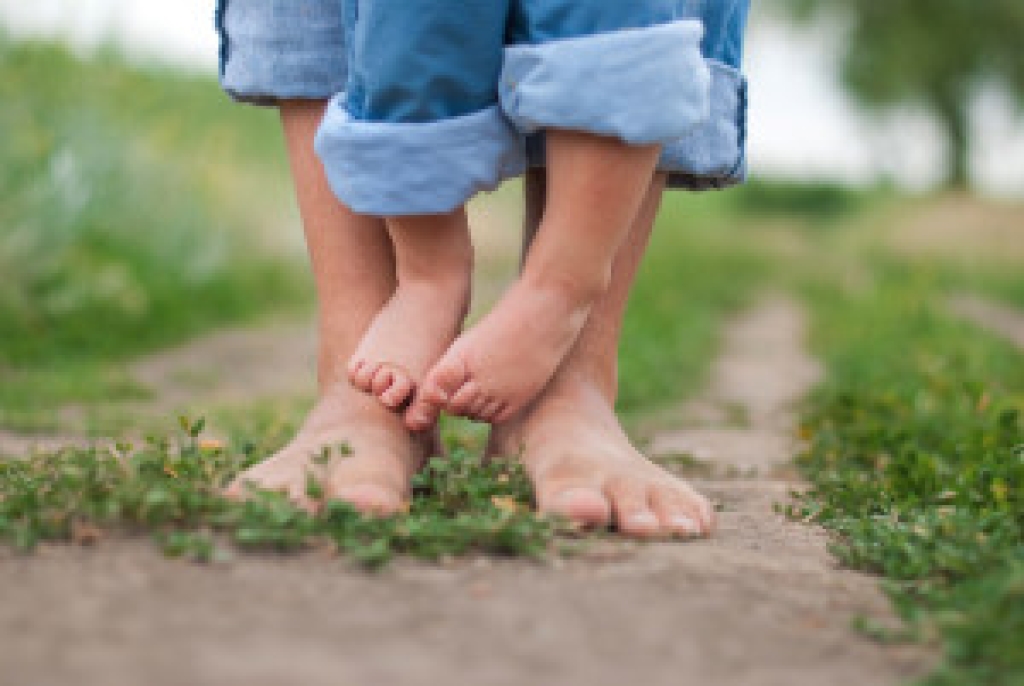
Taking Care of Children’s Feet

Foot health is important for everyone but because children’s feet are soft, pliable, and still developing, they are more vulnerable to injuries, diseases, and conditions that can interfere with normal movement. More common foot problems among children are Sever’s disease, flat feet, toes pointing in or out, ankle weakness, and foot deformities. Sever’s disease is heel pain in children that may come on during puberty or when experiencing growth spurts. This is usually a temporary affliction and can be managed by stopping sports or activities involving running or jumping until the pain subsides. Flat foot is when the entire sole of the child’s foot lies flat against the ground. If a child walks with their toes pointed in or out it may be because a child’s leg alignment is constantly changing and again may improve as the child grows and muscles get stronger. Children’s ankles may be weak and give way more easily during sports and everyday activities leading to chronic ankle instability. Children may even suffer from congenital foot deformities. It is important to consult with a podiatrist for help in learning and understanding the growth of children’s feet, proper footwear choices as they age, and to treat any foot problems that may arise and are not transitory.

Making sure that your children maintain good foot health is very important as they grow. If you have any questions, contact Sarah Urton, DPM of Kitsilano Foot and Ankle Clinic. Our doctor can provide the care you need to keep you pain-free and on your feet.

Keeping Children's Feet Healthy

Having healthy feet during childhood can help prevent medical problems later in life, namely in the back and legs. As children grow, their feet require different types of care. Here are some things to consider...

Although babies do not walk yet, it is still very important to take care of their feet.

Avoid putting tight shoes or socks on his or her feet.

Allow the baby to stretch and kick his or her feet to feel comfortable.

As a toddler, kids are now on the move and begin to develop differently. At this age, toddlers are getting a feel for walking, so don’t be alarmed if your toddler is unsteady or ‘walks funny’. 

As your child gets older, it is important to teach them how to take care of their feet.

Show them proper hygiene to prevent infections such as fungus.

Be watchful for any pain or injury.

Have all injuries checked by a doctor as soon as possible.

Comfortable, protective shoes should always be worn, especially at play.

If you have any questions, please feel free to contact our office located in Vancouver, BC . We offer the newest diagnostic and treatment technologies for all your foot care needs.
Read more about How to Care for Your Child's Feet

Checking for Scrapes, Cuts, or Bruises on Diabetic Feet

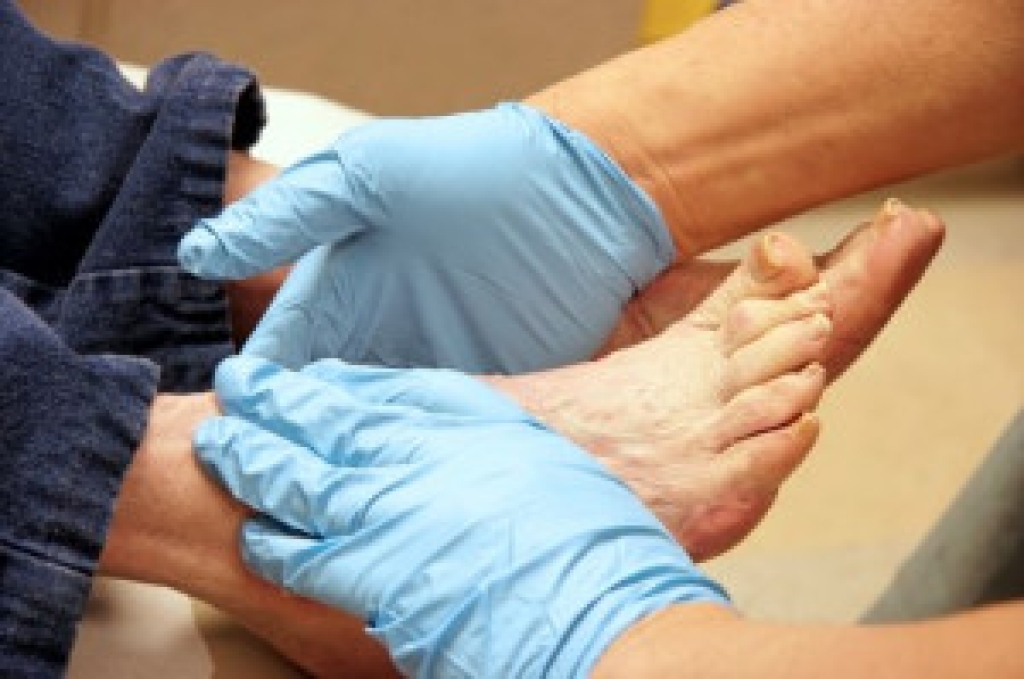
Type 2 diabetes is a serious health condition. It can affect the feet so it is important to check the feet daily for any existing cuts, bruises, or scrapes in order to prevent foot ulcers from developing. Neuropathy can occur with diabetes and it produces a numbing or tingling sensation. This can make it difficult to feel anything on the feet. The diabetic's ability to heal can be diminished and cuts and scrapes can easily become infected. This condition may be controlled by monitoring the blood glucose levels and this can be helped by eating foods that have little or no sugar. It is beneficial to practice proper foot care which includes washing and drying the feet daily and wearing shoes that fit correctly. Additionally, it is helpful to refrain from walking barefoot indoors or outdoors. It is strongly suggested that all diabetic patients be under the care of a podiatrist who can help them properly manage this condition.

Diabetic foot care is important in preventing foot ailments such as ulcers. If you are suffering from diabetes or have any other concerns about your feet, contact Sarah Urton, DPM from Kitsilano Foot and Ankle Clinic. Our doctor can provide the care you need to keep you pain-free and on your feet.

Diabetic Foot Care

Diabetes affects millions of people every year. The condition can damage blood vessels in many parts of the body, especially the feet. Because of this, taking care of your feet is essential if you have diabetes, and having a podiatrist help monitor your foot health is highly recommended.

The Importance of Caring for Your Feet

  • Routinely inspect your feet for bruises or sores.
  • Wear socks that fit your feet comfortably.
  • Wear comfortable shoes that provide adequate support.

Patients with diabetes should have their doctor monitor their blood levels, as blood sugar levels play such a huge role in diabetic care. Monitoring these levels on a regular basis is highly advised.

It is always best to inform your healthcare professional of any concerns you may have regarding your feet, especially for diabetic patients. Early treatment and routine foot examinations are keys to maintaining proper health, especially because severe complications can arise if proper treatment is not applied.

If you have any questions, please feel free to contact our office located in Vancouver, BC . We offer the newest diagnostic and treatment technologies for all your foot care needs.

Read more about Diabetic Foot Care

Which Orthotics Are Right for You?

Runners and other people who are active in sports may find that their feet ache at the end of the day. One way to alleviate some of the pain is to invest in orthotics. Typical shoe liners may provide extra cushioning, but if you put miles on your feet each day, as many runners do, it is worth looking into which orthotics would best suit your feet. In cases of avid runners, an insole can be custom-made by a podiatrist to fit your foot. These inserts will likely be made from synthetic, high-performing materials that provide extra support and cushioning. The average lifespan of such orthotics is 400 to 600 miles, which is about the same time as your running shoes generally last. When fitting you with orthotics, your podiatrist will also consider the way you pronate and if you have flat feet, high arches, or any other foot problems. All these factors will help a podiatrist determine the best orthotics for your feet.

If you are having discomfort in your feet and would like to try orthotics, contact Sarah Urton, DPM from Kitsilano Foot and Ankle Clinic. Our doctor can provide the care you need to keep you pain-free and on your feet.

What Are Orthotics?

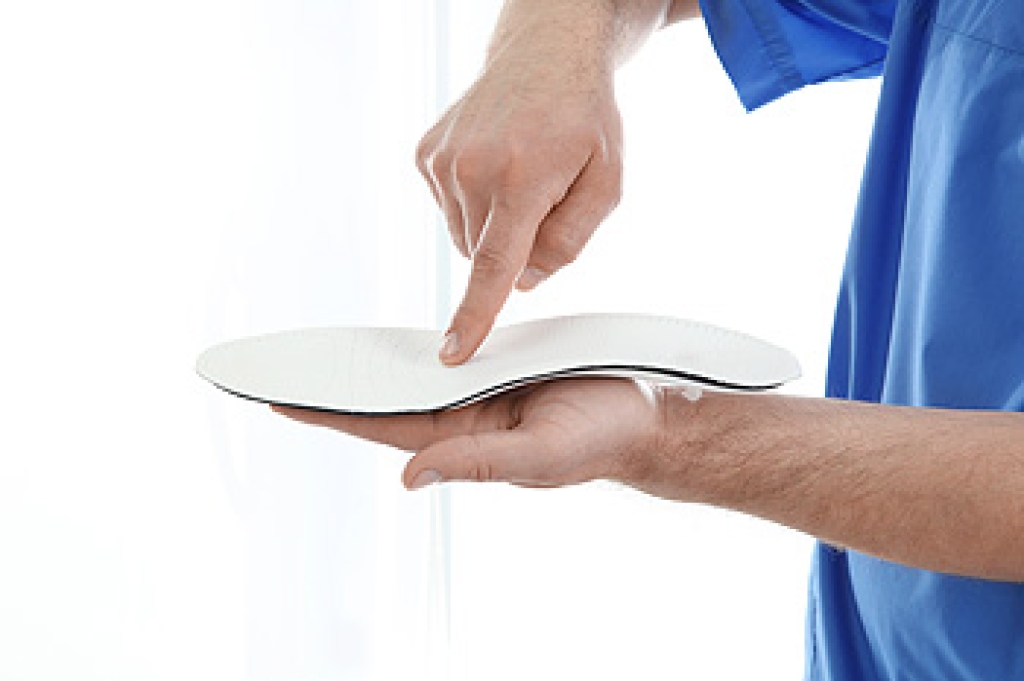
Orthotics are inserts you can place into your shoes to help with a variety of foot problems such as flat feet or foot pain. Orthotics provide relief and comfort for minor foot and heel pain but can’t correct serious biomechanical problems in your feet.

Over-the-Counter Inserts

Orthotics come in a wide variety of over-the-counter inserts that are used to treat foot pain, heel pain, and minor problems. For example, arch supports can be inserted into your shoes to help correct overarched or flat feet, while gel insoles are often used because they provide comfort and relief from foot and heel pain by alleviating pressure.

Prescription Orthotics

If over-the-counter inserts don’t work for you or if you have a more severe foot concern, it is possible to have your podiatrist prescribe custom orthotics. These high-quality inserts are designed to treat problems such as abnormal motion, plantar fasciitis, and severe forms of heel pain. They can even be used to help patients suffering from diabetes by treating foot ulcers and painful calluses and are usually molded to your feet individually, which allows them to provide full support and comfort.

If you are experiencing minor to severe foot or heel pain, it’s recommended to speak with your podiatrist about the possibilities of using orthotics. A podiatrist can determine which type of orthotic is right for you and allow you to take the first steps towards being pain-free.

If you have any questions, please feel free to contact our office located in Vancouver, BC . We offer the newest diagnostic and treatment technologies for all your foot care needs.
Read more about Foot Orthotics

Plantar Warts Can Be Treated!

Plantar warts are small growths that develop on parts of the feet that bear weight. They're typically found on the bottom of the foot. Don't live with plantar warts, and call us today!

What Are Heel Spurs and How Do They Form?

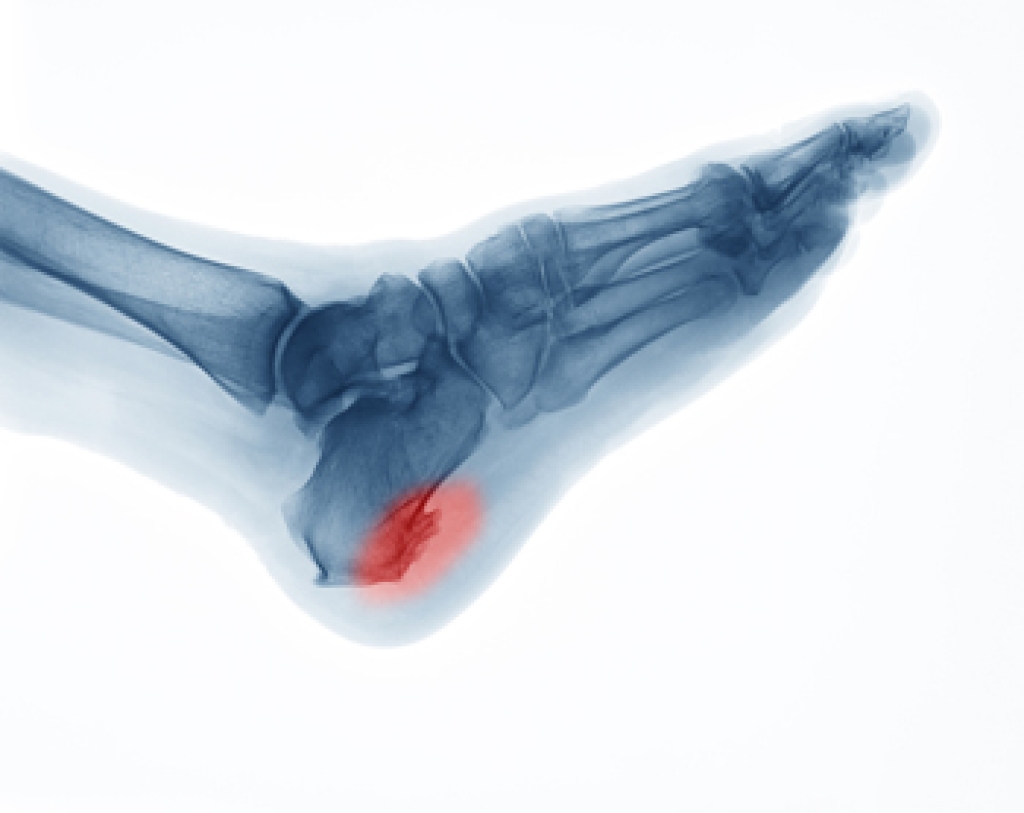
Heel spurs, also referred to as calcaneal spurs or osteophytes, are calcium deposits that develop on the heel bone over time. They typically form in response to chronic strain or tears to the plantar fascia tissue that connects the heel with the toes, or to damage to the heel bone membrane. Other factors that may contribute to heel spurs developing include obesity, wearing improper shoes, age, trauma, training on hard surfaces, or having plantar fasciitis (damage to the plantar fascia) or certain medical conditions. Heel spurs develop on the part of the heel that is closest to the arch, and they point towards the middle of the foot. Heel spurs can be up to a half inch long and are usually only detectable with an X-ray. Heel spurs are usually not painful. When they are, a podiatrist can treat them with rest, ice, orthotic devices and/or shoes, anti-inflammatory medication, cortisone injections, or even surgery if necessary (to remove the spurs). 

Heel spurs can be incredibly painful and sometimes may make you unable to participate in physical activities. To get medical care for your heel spurs, contact Sarah Urton, DPM from Kitsilano Foot and Ankle Clinic. Our doctor will do everything possible to treat your condition.

Heels Spurs

Heel spurs are formed by calcium deposits on the back of the foot where the heel is. This can also be caused by small fragments of bone breaking off one section of the foot, attaching onto the back of the foot. Heel spurs can also be bone growth on the back of the foot and may grow in the direction of the arch of the foot.

Older individuals usually suffer from heel spurs and pain sometimes intensifies with age. One of the main condition's spurs are related to is plantar fasciitis.

Pain

The pain associated with spurs is often because of weight placed on the feet. When someone is walking, their entire weight is concentrated on the feet. Bone spurs then have the tendency to affect other bones and tissues around the foot. As the pain continues, the feet will become tender and sensitive over time.

Treatments

There are many ways to treat heel spurs. If one is suffering from heel spurs in conjunction with pain, there are several methods for healing. Medication, surgery, and herbal care are some options.

If you have any questions, please feel free to contact our office located in Vancouver, BC . We offer the newest diagnostic and treatment technologies for all your foot care needs.

Read more about Heel Spurs

Connect With Us

Advanced Podiatric Procedures & Services in the Vancouver (Kitsilano, Kerrisdale, West Point Grey), Burnaby, Richmond, New Westminster, Surrey, Coquitlam, Port Moody, West Vancouver, North Vancouver areas