Why Do I Have an Ingrown Toenail?

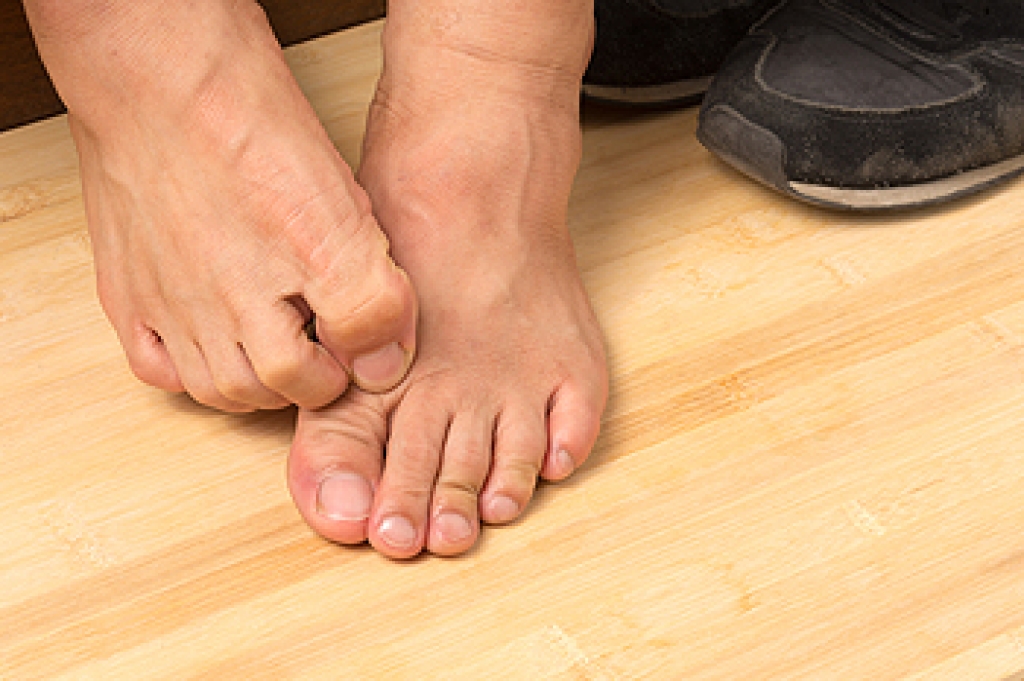
If you’ve noticed your toenail has grown into the surrounding skin of your nail, it’s very possible that you may be dealing with an ingrown toenail. Ingrown toenails can be uncomfortable and often painful if left untreated. You may be wondering how did this happen? There are a few reasons why an ingrown toenail may develop. Common causes may include trauma to the affected toenail, such as stubbing the toe, wearing shoes that are too tight, cutting your toenails too short, and cutting your toenails on an angle. To ensure that an infection does not develop, please seek the care of a podiatrist to help you with treatment.

Ingrown toenails can become painful if they are not treated properly. For more information about ingrown toenails, contact Sarah Urton, DPM of Kitsilano Foot and Ankle Clinic. Our doctor can provide the care you need to keep you pain-free and on your feet.

Ingrown Toenails

Ingrown toenails occur when a toenail grows sideways into the bed of the nail, causing pain, swelling, and possibly infection.

Causes

  • Bacterial infections
  • Improper nail cutting such as cutting it too short or not straight across
  • Trauma to the toe, such as stubbing, which causes the nail to grow back irregularly
  • Ill-fitting shoes that bunch the toes too close together
  • Genetic predisposition

Prevention

Wearing proper fitting shoes and using proper cutting techniques will also help decrease your risk of developing ingrown toenails.

Treatment

Ingrown toenails are a very treatable foot condition. In minor cases, soaking the affected area in salt or antibacterial soaps will not only help with the ingrown nail itself, but also help prevent any infections from occurring. In more severe cases, surgery is an option. In either case, speaking to your podiatrist about this condition will help you get a better understanding of specific treatment options that are right for you.

If you have any questions, please feel free to contact our office located in Vancouver, BC . We offer the newest diagnostic and treatment technologies for all your foot care needs.
Read more about Ingrown Toenails

Why Is My Foot So Itchy?

Blistering, peeling, and dry skin between the toes are common symptoms of the foot condition known as athlete’s foot. Other symptoms can include a burning, stinging, or itching sensation, and in more severe cases, cracking of the skin. Athlete’s foot is a contagious fungal infection. Because fungus thrives in warm, moist environments, to help prevent its spread, it’s important to wear proper footwear at public swimming pools, locker rooms, communal showers, and gyms. To keep the infection from getting worse, it’s important that you seek prompt treatment. Please visit a podiatrist if you believe you’ve developed this condition.

Athlete’s foot is an inconvenient condition that can be easily reduced with the proper treatment. If you have any concerns about your feet and ankles, contact Sarah Urton, DPM from Kitsilano Foot and Ankle Clinic.  Our doctor will treat your foot and ankle needs.

Athlete’s Foot: The Sole Story

Athlete's foot, also known as tinea pedis, can be an extremely contagious foot infection. It is commonly contracted in public changing areas and bathrooms, dormitory style living quarters, around locker rooms and public swimming pools, or anywhere your feet often come into contact with other people.

Solutions to Combat Athlete’s Foot

  • Hydrate your feet by using lotion
  • Exfoliate
  • Buff off nails
  • Use of anti-fungal products
  • Examine your feet and visit your doctor if any suspicious blisters or cuts develop

Athlete’s foot can cause many irritating symptoms such as dry and flaking skin, itching, and redness. Some more severe symptoms can include bleeding and cracked skin, intense itching and burning, and even pain when walking. In the worst cases, Athlete’s foot can cause blistering as well. Speak to your podiatrist for a better understanding of the different causes of Athlete’s foot, as well as help in determining which treatment options are best for you.

If you have any questions please feel free to contact our office located in Vancouver, BC . We offer the newest diagnostic and treatment technologies for all your foot and ankle needs.

Read more about How to Deal with Athlete's Foot

Preventing Falls in the Home

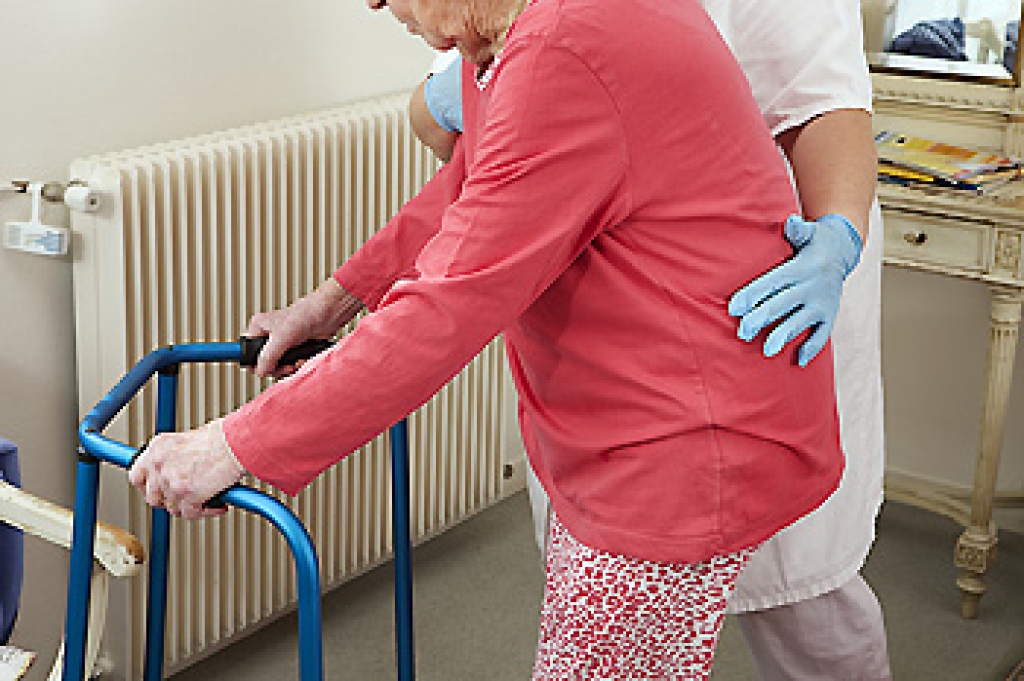
Falling can be dangerous for the elderly, and while you should be vigilant while outdoors, most falls actually occur inside the home. Making the home a safe environment by finding and fixing tripping and falling hazards, can help prevent falls. Some potential tripping hazards are computer and electrical wires, which can be made less dangerous by coiling them next to walls and taping them down when possible. Staying physically active and managing your medications can improve overall health and also make falls less likely. Another step that you can implement is taking care of your feet by wearing the proper footwear and regularly visiting a podiatrist. For more information about foot health and falls prevention, talk to a podiatrist today.

Preventing falls among the elderly is very important. If you are older and have fallen or fear that you are prone to falling, consult with Sarah Urton, DPM from Kitsilano Foot and Ankle Clinic. Our doctor will assess your condition and provide you with quality advice and care.

Every 11 seconds, an elderly American is being treated in an emergency room for a fall related injury. Falls are the leading cause of head and hip injuries for those 65 and older. Due to decreases in strength, balance, senses, and lack of awareness, elderly persons are very susceptible to falling. Thankfully, there are a number of things older persons can do to prevent falls.

How to Prevent Falls

Some effective methods that older persons can do to prevent falls include:

  • Enrolling in strength and balance exercise program to increase balance and strength
  • Periodically having your sight and hearing checked
  • Discuss any medications you have with a doctor to see if it increases the risk of falling
  • Clearing the house of falling hazards and installing devices like grab bars and railings
  • Utilizing a walker or cane
  • Wearing shoes that provide good support and cushioning
  • Talking to family members about falling and increasing awareness

Falling can be a traumatic and embarrassing experience for elderly persons; this can make them less willing to leave the house, and less willing to talk to someone about their fears of falling. Doing such things, however, will increase the likelihood of tripping or losing one’s balance. Knowing the causes of falling and how to prevent them is the best way to mitigate the risk of serious injury.  

If you have any questions, please feel free to contact our office located in Vancouver, BC . We offer the newest diagnostic and treatment technologies for all your foot care needs.

Read more about Falls Prevention

Common Foot Issues to Expect During Pregnancy

Because of the natural weight gain and growth of the abdomen, women who are pregnant will experience a change in the forces that are exerted on the feet. Two common foot issues that are experienced during pregnancy are flat feet and swollen feet. Flattening of the arches of the feet can create stress on the soft tissues in the feet, such as the plantar fascia. Swelling of the feet occurs because of extra fluid in the body that has become displaced, causing circulation to slow down. Thankfully, these issues can be easily managed. However, if you are pregnant and experiencing these issues, it is important to consult with a podiatrist to treat and prevent further discomfort.

Pregnant women with swollen feet can be treated with a variety of different methods that are readily available. For more information about other cures for swollen feet during pregnancy, consult with Sarah Urton, DPM from Kitsilano Foot and Ankle Clinic. Our doctor will attend to all of your foot and ankle needs.

What Foot Problems Can Arise During Pregnancy?

One problem that can occur is overpronation, which occurs when the arch of the foot flattens and tends to roll inward.  This can cause pain and discomfort in your heels while you’re walking or even just standing up, trying to support your baby.  

Another problem is edema, or swelling in the extremities. This often affects the feet during pregnancy but tends to occur in the later stages. 

How Can I Keep My Feet Healthy During Pregnancy?

  • Wearing orthotics can provide extra support for the feet and help distribute weight evenly
  • Minimize the amount of time spent walking barefoot
  • Wear shoes with good arch support
  • Wear shoes that allow for good circulation to the feet
  • Elevate feet if you experience swelling
  • Massage your feet
  • Get regular, light exercise, such as walking, to promote blood circulation to the feet

If you have any questions, please feel free to contact our office located in Vancouver, BC . We offer the newest diagnostic and treatment technologies for all your foot care needs.

Read more about Foot Care for Pregnant Women

Heel Pain Can Be Treated!

Do you suffer from heel pain when you get up in the morning? If so, you should seek professional help and have a proper diagnosis performed. Heel pain can be caused by several different foot-related conditions.

Connect With Us

Advanced Podiatric Procedures & Services in the Vancouver (Kitsilano, Kerrisdale, West Point Grey), Burnaby, Richmond, New Westminster, Surrey, Coquitlam, Port Moody, West Vancouver, North Vancouver areas