
Surgical Options for Toe Problems

The toes can have a variety of issues that may require surgery. These issues include deformities, pain in the joints, and pain in the ball of the foot. When the tendons that help the toes move get too tight or out of balance, or when there is arthritis in the toes, they can move out of position and deform. Alternatives to surgery for toe related issues include wearing orthotics, strapping and padding the toes, and wearing comfortable shoes with a wide toe box. Surgery will help straighten out the toes. Depending on the cause of your problem, your surgeon’s options to straighten out the toes include releasing or lengthening tendons, putting joints back in place, removing bone, stiffening joints or realigning the toes. If you have any issues with your toes that you believe may require surgery, consulting with a podiatrist to find the correct treatment options is highly recommended.

Foot surgery is sometimes necessary to treat a foot ailment. To learn more, contact Sarah Urton, DPM of Kitsilano Foot and Ankle Clinic. Our doctor will assist you with all of your foot and ankle needs.

When Is Surgery Necessary?

Foot and ankle surgery is generally reserved for cases in which less invasive, conservative procedures have failed to alleviate the problem. Some of the cases in which surgery may be necessary include:

  • Removing foot deformities like bunions and bone spurs
  • Severe arthritis that has caused bone issues
  • Cosmetic reconstruction

What Types of Surgery Are There?

The type of surgery you receive will depend on the nature of the problem you have. Some of the possible surgeries include:

  • Bunionectomy for painful bunions
  • Surgical fusion for realignment of bones
  • Neuropathy decompression surgery to treat nerve damage

Benefits of Surgery

Although surgery is usually a last resort, it can provide more complete pain relief compared to non-surgical methods and may allow you to finally resume full activity.

Surgical techniques have also become increasingly sophisticated. Techniques like endoscopic surgery allow for smaller incisions and faster recovery times.

If you have any questions, please feel free to contact our office located in Vancouver, BC . We offer the newest diagnostic and treatment technologies for all your foot care needs.

Read more about Foot Surgery

What Are Common Symptoms of a Sprained Ankle?

Torn ligaments in the ankle may be indicative of an ankle sprain. This can occur by suddenly stepping off of a curb, or from twisting the ankle beyond its normal limitations. Common symptoms that are often associated with this ailment can include immediate swelling, bruising, and it can become difficult to walk. Patients may find it painful to move the affected area, and the overall ankle may hurt when it is touched. It is beneficial to seek immediate medical attention if you feel you have sprained your ankle. A visit for a sprained ankle generally consists of having an X-ray taken, which is helpful in ruling out a broken ankle. Mild relief may be found when the affected foot is elevated, in addition to wrapping it with an elastic bandage. This is needed to provide ankle stability as the healing process takes place. If you think that you may have sprained your ankle, it is strongly suggested that you seek the counsel of a podiatrist who can effectively treat this condition.

Ankle sprains are common but need immediate attention. If you need your feet checked, contact Sarah Urton, DPM from Kitsilano Foot and Ankle Clinic. Our doctor can provide the care you need to keep you pain-free and on your feet.

How Does an Ankle Sprain Occur?

Ankle sprains take place when the ligaments in your ankle are torn or stretched beyond their limits. There are multiple ways that the ankle can become injured, including twisting or rolling over onto your ankle, putting undue stress on it, or causing trauma to the ankle itself.

What Are the Symptoms?

  • Mild to moderate bruising
  • Limited mobility
  • Swelling
  • Discoloration of the skin (depending on severity)

Preventing a Sprain

  • Wearing appropriate shoes for the occasion
  • Stretching before exercises and sports
  • Knowing your limits

Treatment of a Sprain

Treatment of a sprain depends on the severity.  Many times, people are told to rest and remain off their feet completely, while others are given an air cast. If the sprain is very severe, surgery may be required.

If you have suffered an ankle sprain previously, you may want to consider additional support such as a brace and regular exercises to strengthen the ankle.

If you have any questions please feel free to contact our office located in Vancouver, BC . We offer the newest diagnostic tools and technology to treat your foot and ankle needs.

Read more about Ankle Sprains

What Is a Sprained Toe?

A sprained toe is a very common foot injury that can affect anyone at any time. The more frequent causes tend to be stubbing the toe or injuring it during a sporting activity. A sprained toe means torn ligaments, and this can hinder completing daily activities, not to mention the pain and discomfort that often coincides. Sprained toes are classified into three categories and the healing time is governed by which area they fall into. A mild sprain takes the least amount of time to heal, and the patient may be fully recovered within two weeks. The ligaments may be partially torn in a moderate sprain, and the toe may be unstable. The healing time with this type of sprain can extend to up to five weeks. The full healing time with a severe sprain can take six weeks or longer, and can require the most amount of care. If you have a sprained toe it is advised that you consult with a podiatrist who can properly diagnose the severity of your injury and guide you toward proper treatment techniques.

A broken toe can be very painful and lead to complications if not properly fixed. If you have any concerns about your feet, contact Sarah Urton, DPM from Kitsilano Foot and Ankle Clinic. Our doctor will treat your foot and ankle needs.

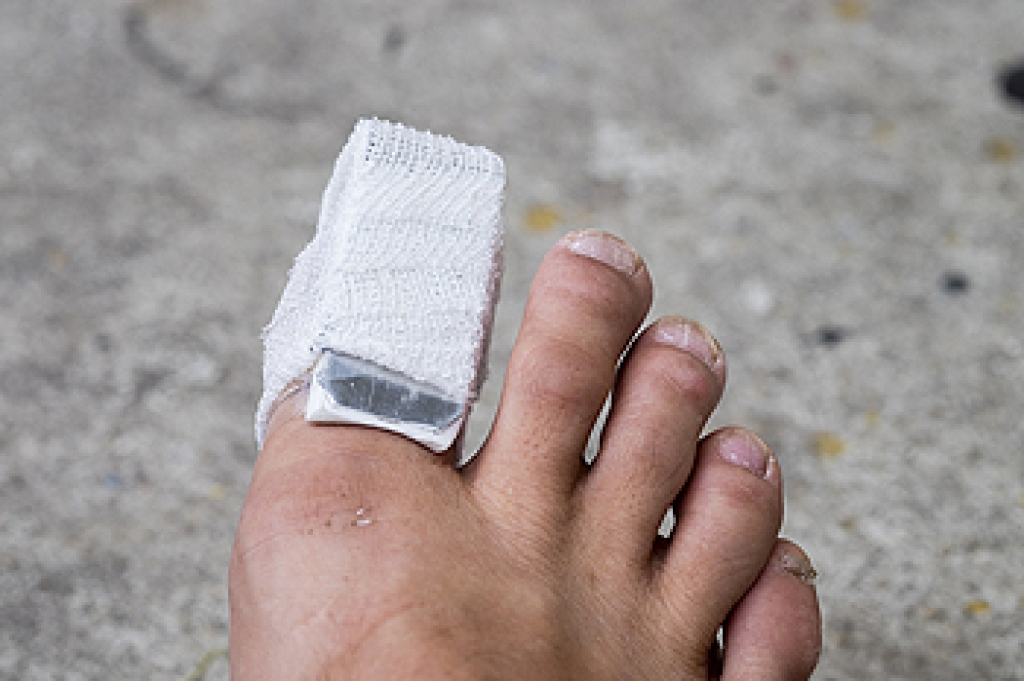
What to Know About a Broken Toe

Although most people try to avoid foot trauma such as banging, stubbing, or dropping heavy objects on their feet, the unfortunate fact is that it is a common occurrence. Given the fact that toes are positioned in front of the feet, they typically sustain the brunt of such trauma. When trauma occurs to a toe, the result can be a painful break (fracture).

Symptoms of a Broken Toe

  • Throbbing pain
  • Swelling
  • Bruising on the skin and toenail
  • The inability to move the toe
  • Toe appears crooked or disfigured
  • Tingling or numbness in the toe

Generally, it is best to stay off of the injured toe with the affected foot elevated.

Severe toe fractures may be treated with a splint, cast, and in some cases, minor surgery. Due to its position and the pressure it endures with daily activity, future complications can occur if the big toe is not properly treated.

If you have any questions, please feel free to contact our office located in Vancouver, BC . We offer the newest diagnostic and treatment technologies for all your foot care needs.
Read more about What to Know About a Broken Toe

Chronic Pain May Be Reduced With Shockwave Therapy

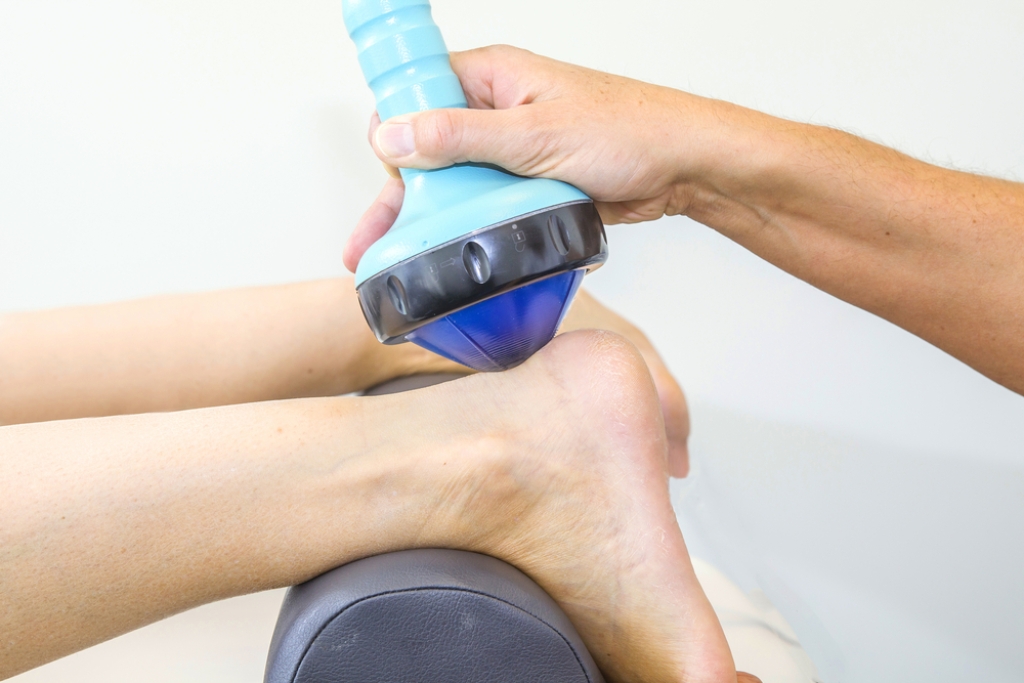
Patients who suffer from chronic pain in the feet and ankles may be interested in learning about a treatment option that is known as shockwave therapy. It is capable of transmitting shock waves through the skin to the damaged tissue. It is known to accelerate the healing process and may be responsible in providing adequate pain relief. The benefits of receiving this type of treatment can include minimal time for administering the shockwave therapy, and it eliminates the need for anesthesia. Some of the ailments shockwave therapy may be successful in treating include Achilles tendon injuries and plantar fasciitis. If you are interested in learning more about this type of treatment, it is suggested that you confer with a podiatrist. 

Shockwave therapy is a treatment commonly used to treat various injuries and conditions, particularly plantar fasciitis in the feet. To learn more, consult with Sarah Urton, DPM from Kitsilano Foot and Ankle Clinic. Our doctor can provide the care you need to keep you pain-free and on your feet.

Shockwave Therapy

Shockwave therapy is a new treatment option designed to treat bone conditions such as tennis elbow, shoulder pain, and others. Shockwave therapy uses high intensity sound waves that are directed to the affected tissues of the body with pinpoint accuracy. The effects are very beneficial, leading to a production of collagen fibers, eliminating inflammation.

Who Benefits from Shockwave?

Shockwave is recommended for patients suffering from heel pain and associated problems. Heel pain is a common condition which can be caused by obesity, overexertion, and spending a substantial amount of time on hard floors with your feet exposed and unsupported.

Fast and Easy

The therapy is actually a simple process that can leave patients feeling better the very next day. Shockwave therapy is not as dramatic as it sounds. It enables more blood flow to effected areas, addressing the source of the problem and allowing treatment to last for a long time.

Treatment & Recovery Time

Shockwave treatment will enable your feet to recover quickly. This is especially important since surgery is not required. It is cost effective and does not require the use of anesthesia. This treatment is a better option to surgery, since it is proven safe.

If you have any questions, please feel free to contact our office located in Vancouver, BC . We offer the newest diagnostic and treatment technologies for all your foot care needs.

Read more about Shockwave Therapy

Are Bunions Affecting Your Everyday Life?

Have you noticed a bony protrusion on the side of your big toe? If so, you may have developed the foot condition known as a bunion. Don't let bunions interfere with your daily activities.

Connect With Us

Advanced Podiatric Procedures & Services in the Vancouver (Kitsilano, Kerrisdale, West Point Grey), Burnaby, Richmond, New Westminster, Surrey, Coquitlam, Port Moody, West Vancouver, North Vancouver areas