Causes of Ankle Pain

Ankle pain can have a variety of causes. While an ankle sprain may have an obvious cause, usually by rolling the ankle, there are plenty of more subtle injuries that can occur. These subtle injuries can include an ankle impingement which is a wedging at the front of the ankle, or an avulsion fracture, meaning a small piece of bone fractures away from the main bone due to the pull of a tendon or ligament that is attached to the bone. Tarsal tunnel syndrome is the pinching of the nerve that runs through the ankle, and even various forms of arthritis are all potential causes of ankle pain that will require treatment from a podiatrist. Once a diagnosis has been made, a podiatrist can then minimize pain and customize a treatment plan that is right for you.


Ankle pain can be caused by a number of problems and may be potentially serious. If you have ankle pain, consult with Sarah Urton, DPM from Kitsilano Foot and Ankle Clinic. Our doctor will assess your condition and provide you with quality foot and ankle treatment.

Ankle pain is any condition that causes pain in the ankle. Due to the fact that the ankle consists of tendons, muscles, bones, and ligaments, ankle pain can come from a number of different conditions.

Causes

The most common causes of ankle pain include:

  • Types of arthritis (rheumatoid, osteoarthritis, and gout)
  • Ankle sprains
  • Broken ankles
  • Achilles tendonitis
  • Achilles tendon rupture
  • Stress fractures
  • Bursitis
  • Tarsal tunnel syndrome
  • Plantar fasciitis

Symptoms

Symptoms of ankle injury vary based upon the condition. Pain may include general pain and discomfort, swelling, aching, redness, bruising, burning or stabbing sensations, and/or loss of sensation.

Diagnosis

Due to the wide variety of potential causes of ankle pain, podiatrists will utilize a number of different methods to properly diagnose ankle pain. This can include asking for personal and family medical histories and of any recent injuries. Further diagnosis may include sensation tests, a physical examination, and potentially x-rays or other imaging tests.

Treatment

Just as the range of causes varies widely, so do treatments. Some more common treatments are rest, ice packs, keeping pressure off the foot, orthotics and braces, medication for inflammation and pain, and surgery.

If you have any questions please feel free to contact our office located in Vancouver, BC . We offer the newest diagnostic tools and technology to treat your foot and ankle needs.

Read more about Ankle Pain

When Should I Visit a Podiatrist?

Podiatrists are professional experts in taking care of the feet and ankles. Typical conditions that podiatrists diagnose and treat include broken bones, sprains, bunions, ingrown toenails, corns and calluses, and warts to name a few. Podiatrists also help diagnose pain in the feet, ankles, and heels that may be leading to more serious ailments. These can include plantar fasciitis, stress fractures, Morton’s neuroma, and heel spurs. High risk patients, such as those who have diabetes, suffer from arthritis, or the elderly who are at a higher risk of falling, are encouraged to be under the care of a podiatrist. If you or a loved one is considered high risk for developing any of the conditions mentioned, or is currently experiencing any type of foot pain, it is recommended to consult with a podiatrist.

If you are experiencing pain in the feet or ankles, don’t join the stubborn majority refusing treatment. Feel free to contact Sarah Urton, DPM from Kitsilano Foot and Ankle Clinic. Our doctor can provide the care you need to keep you pain-free and on your feet.

What Is a Podiatrist?

Someone would seek the care of a podiatrist if they have suffered a foot injury or have common foot ailments such as heal spurs, bunions, arch problems, deformities, ingrown toenails, corns, foot and ankle problems, etc.

Podiatric Treatment

A podiatrist will treat the problematic areas of the feet, ankle or lower leg by prescribing the following:

  • Physical therapy
  • Drugs
  • Orthotic inserts or soles
  • Surgery on lower extremity fractures

A common podiatric procedure a podiatrist will use is a scanner or force plate which will allow the podiatrist to know the designs of orthotics. Patients are then told to follow a series of tasks to complete the treatment. The computer will scan the foot a see which areas show weight distribution and pressure points. The podiatrist will read the analysis and then determine which treatment plans are available.

If you have any questions, please feel free to contact our office located in Vancouver, BC . We offer the newest diagnostic and treatment technologies for all your foot care needs.

Read more about What is a Podiatrist?

What Is a Tailor’s Bunion?

A Tailor’s bunion is similar to a regular bunion. However, a Tailor’s bunion forms on the 5th metatarsophalangeal joint (or the “pinky toe”) as opposed to the big toe. A Tailor’s bunion can have a few different causes that include a biomechanical abnormality, heredity, or ill fitting shoes. A biomechanical abnormality can occur when there is too much motion in one part of the foot when stability is needed. Poor fitting shoes that have a limited and pointed toe box can cause a Tailor’s bunion to develop. Some common treatments include orthotics, padding over the painful area, and switching to shoes that are wider, but in severe cases, surgery may be necessary. If you think you might be experiencing a Tailor’s bunion, make sure to consult a podiatrist for a proper diagnosis and treatment.

If you are suffering from bunions, contact Sarah Urton, DPM of Kitsilano Foot and Ankle Clinic. Our doctor can provide the care you need to keep you pain-free and on your feet.

What Is a Bunion?

A bunion is formed of swollen tissue or an enlargement of boney growth, usually located at the base joint of the toe that connects to the foot. The swelling occurs due to the bones in the big toe shifting inward, which impacts the other toes of the foot. This causes the area around the base of the big toe to become inflamed and painful.

Why Do Bunions Form?

Genetics – Susceptibility to bunions are often hereditary

Stress on the feet – Poorly fitted and uncomfortable footwear that places stress on feet, such as heels, can worsen existing bunions

How Are Bunions Diagnosed?

Podiatrists often perform two tests – blood tests and x-rays – when trying to diagnose bunions, especially in the early stages of development. Blood tests help determine if the foot pain is being caused by something else, such as arthritis, while x-rays provide a clear picture of your bone structure to your provider.

How Are Bunions Treated?

  • Refrain from wearing heels or similar shoes that cause discomfort
  • Select wider shoes that can provide more comfort and reduce pain
  • Anti-inflammatory and pain management drugs
  • Orthotics or foot inserts
  • Surgery

If you have any questions, please feel free to contact our office located in Vancouver, BC . We offer the newest diagnostic and treatment technologies for all your foot care needs.

Read more about Bunions

Is Toenail Fungus Contagious?

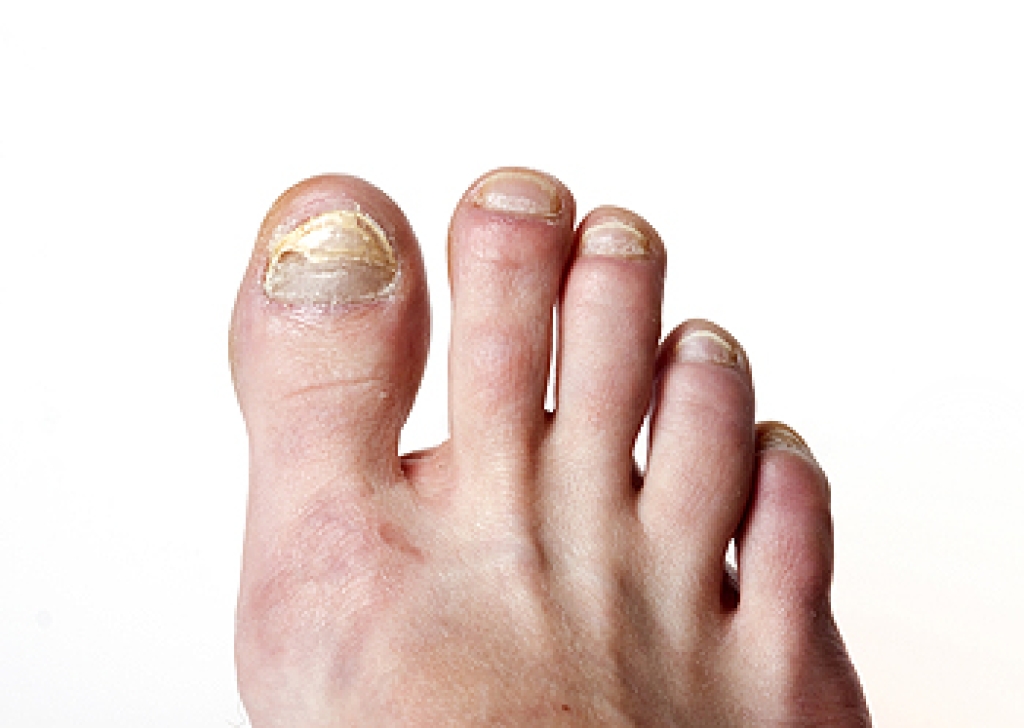
Research has indicated that toenail fungus rarely affects children, but can develop as the aging process occurs. It occurs as a result of the fungus entering the toenail through a small crack in the nail, and will gradually spread when shoes and socks are worn throughout the day. Some of the symptoms that are associated with this ailment can consist of the toenails becoming thick and yellowed, and in severe cases, the nail may lift off of the nail bed. This type of fungus lives and thrives in warm and moist environments, and is often found in public swimming pools, showers room floors, and surrounding areas. It is helpful to wear appropriate shoes while in these types of places, as this may help to reduce the risk of spreading toenail fungus. Toenail fungus is considered to be contagious, and it is beneficial to refrain from sharing towels, socks and shoes. If you are afflicted with this condition, it is suggested that you seek the counsel of a podiatrist who can offer you effective treatment options.

If left untreated, toenail fungus may spread to other toenails, skin, or even fingernails. If you suspect you have toenail fungus it is important to seek treatment right away. For more information about treatment, contact Sarah Urton, DPM of Kitsilano Foot and Ankle Clinic. Our doctor can provide the care you need to keep you pain-free and on your feet.

Symptoms

  • Warped or oddly shaped nails
  • Yellowish nails
  • Loose/separated nail
  • Buildup of bits and pieces of nail fragments under the nail
  • Brittle, broken, thickened nail

Treatment

If self-care strategies and over-the-counter medications does not help your fungus, your podiatrist may give you a prescription drug instead. Even if you find relief from your toenail fungus symptoms, you may experience a repeat infection in the future.

Prevention

In order to prevent getting toenail fungus in the future, you should always make sure to wash your feet with soap and water. After washing, it is important to dry your feet thoroughly especially in between the toes. When trimming your toenails, be sure to trim straight across instead of in a rounded shape. It is crucial not to cover up discolored nails with nail polish because that will prevent your nail from being able to “breathe”.

In some cases, surgical procedure may be needed to remove the toenail fungus. Consult with your podiatrist about the best treatment options for your case of toenail fungus.  

If you have any questions please contact our office located in Vancouver, BC . We offer the newest diagnostic and treatment technologies for all your foot and ankle needs.

Read more about Treating Toenail Fungus

Do You Suffer From Painful Feet?

Painful deformities, such as hammertoes, can be treated. Stop living with foot pain, and have beautiful feet again!

Connect With Us

Advanced Podiatric Procedures & Services in the Vancouver (Kitsilano, Kerrisdale, West Point Grey), Burnaby, Richmond, New Westminster, Surrey, Coquitlam, Port Moody, West Vancouver, North Vancouver areas