
Plantar Hyperhidrosis and Odors

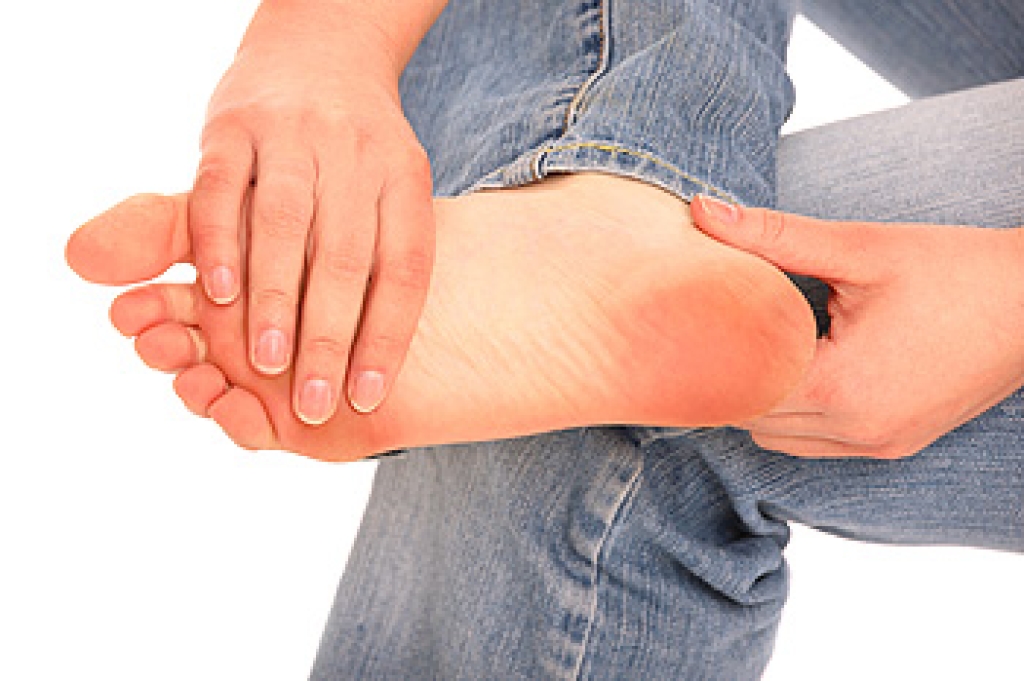
Hyperhidrosis is a term that is used to describe excessive sweating. It is known as plantar hyperhidrosis when the feet sweat for the majority of the day. The purpose of sweating is to control the body’s temperature, but sweating can be excessive for several reasons such as genetic factors, hormonal concerns, or medical conditions like anxiety disorders. Having feet that sweat profusely can cause an unpleasant odor, which may lead to embarrassment. Additionally, safety may be compromised as a result of slipping. If you have plantar hyperhidrosis, it is recommended that you speak with a podiatrist who can help you with proper treatment techniques.

If you are suffering from hyperhidrosis contact Sarah Urton, DPM of Kitsilano Foot and Ankle Clinic. Our doctor can provide the care you need to attend to all of your foot and ankle needs.

Hyperhidrosis of the Feet

Hyperhidrosis is a rare disorder that can cause people to have excessive sweating of their feet. This can usually occur all on its own without rigorous activity involved. People who suffer from hyperhidrosis may also experience sweaty palms.

Although it is said that sweating is a healthy process meant to cool down the body temperature and to maintain a proper internal temperature, hyperhidrosis may prove to be a huge hindrance on a person’s everyday life.

Plantar hyperhidrosis is considered to be the main form of hyperhidrosis. Secondary hyperhidrosis can refer to sweating that occurs in areas other than the feet or hands and armpits. Often this may be a sign of it being related to another medical condition such as menopause, hyperthyroidism and even Parkinson’s disease.

In order to alleviate this condition, it is important to see your doctor so that they may prescribe the necessary medications so that you can begin to live a normal life again. If this is left untreated, it is said that it will persist throughout an individual’s life.

A last resort approach would be surgery, but it is best to speak with your doctor to find out what may be the best treatment for you.

If you have any questions, please feel free to contact our office located in Vancouver, BC . We offer the newest diagnostic and treatment technologies for all your foot care needs.
Read more about Hyperhidrosis of the Feet

What Can I Do if I Have Morton's Neuroma?

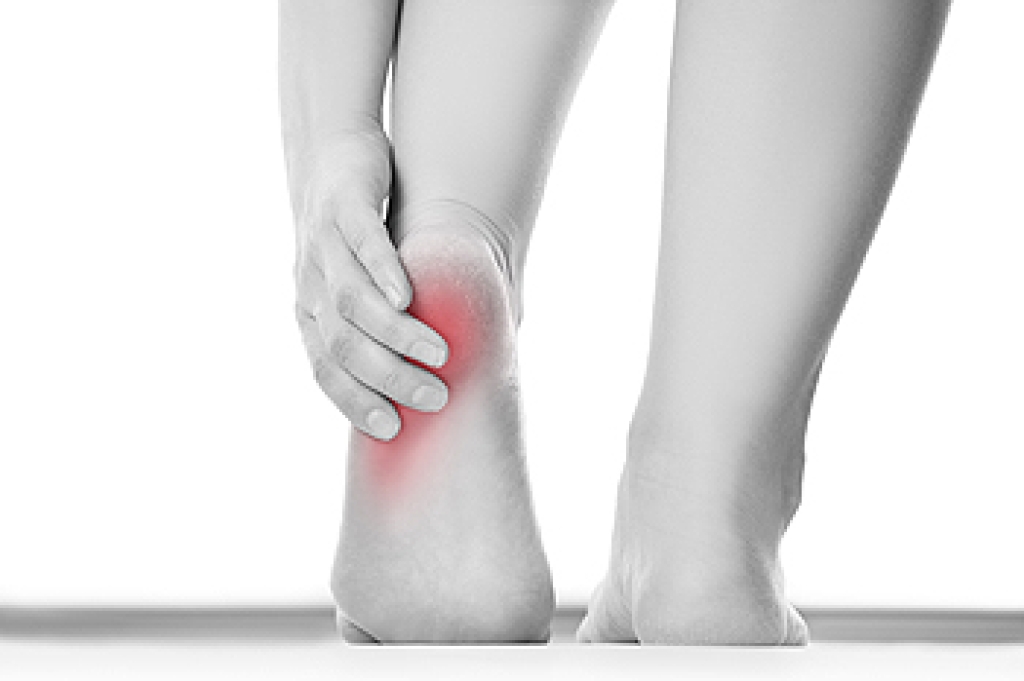
Morton’s neuroma is a condition in which a nerve between your toes becomes irritated or thickened. This can cause symptoms such as stabbing, shooting, or burning pains in the front of the foot. Tingling, numbness, and a sensation akin to a small pebble being stuck under your foot may be experienced as well. If you have Morton’s neuroma, certain modifications can help reduce your symptoms. These can include wearing wide, comfortable shoes with a low heel, reducing activities like running, which may exacerbate the pain, and losing weight to reduce the amount of pressure put on the foot. Taking over-the-counter anti-inflammatory drugs and wearing orthotic inserts may also help relieve pain. If you are experiencing the symptoms of Morton’s neuroma, it is suggested that you consult with a podiatrist. 

Morton’s neuroma is a very uncomfortable condition to live with. If you think you have Morton’s neuroma, contact Sarah Urton, DPM of Kitsilano Foot and Ankle Clinic. Our doctor will attend to all of your foot care needs and answer any of your related questions.  

Morton’s Neuroma

Morton's neuroma is a painful foot condition that commonly affects the areas between the second and third or third and fourth toe, although other areas of the foot are also susceptible. Morton’s neuroma is caused by an inflamed nerve in the foot that is being squeezed and aggravated by surrounding bones.

What Increases the Chances of Having Morton’s Neuroma?

  • Ill-fitting high heels or shoes that add pressure to the toe or foot
  • Jogging, running or any sport that involves constant impact to the foot
  • Flat feet, bunions, and any other foot deformities

Morton’s neuroma is a very treatable condition. Orthotics and shoe inserts can often be used to alleviate the pain on the forefront of the feet. In more severe cases, corticosteroids can also be prescribed. In order to figure out the best treatment for your neuroma, it’s recommended to seek the care of a podiatrist who can diagnose your condition and provide different treatment options.

If you have any questions, please feel free to contact our office located in Vancouver, BC . We offer the newest diagnostic and treatment technologies for all your foot care needs.
Read more about Morton's Neuroma

Gout Pain and the Big Toe

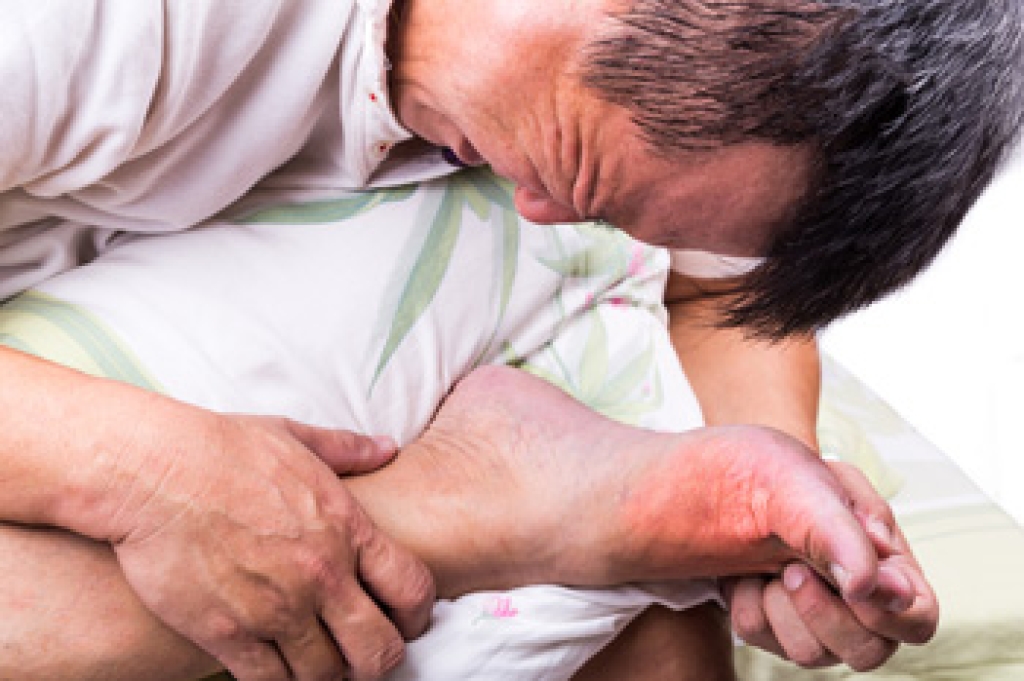
Joint pain in the big toe and surrounding area could be indicative of gout. This is an arthritic condition that generally causes severe pain and discomfort, and many patients also find it difficult to walk. Common symptoms of gout can include swelling and redness around the affected joint, and it may be painful to move the toe. This condition is caused by excess uric acid in the blood, and it can occur from specific types of foods that are eaten. These can consist of foods that have high levels of purines, which may include shellfish, organ meats, and drinks that have elevated amounts of sugar. Research has shown that patients who are obese may be prone to developing gout as well. If you are afflicted with gout or experience gout attacks, it is strongly advised that you are under the care of a podiatrist who can effectively treat and manage this condition.

Gout is a painful condition that can be treated. If you are seeking treatment, contact Sarah Urton, DPM from Kitsilano Foot and Ankle Clinic. Our doctor will treat your foot and ankle needs.

What Is Gout?

Gout is a form of arthritis that is characterized by sudden, severe attacks of pain, redness, and tenderness in the joints. The condition usually affects the joint at the base of the big toe. A gout attack can occur at any random time, such as the middle of the night while you are asleep.

Symptoms

  • Intense Joint Pain - Usually around the large joint of your big toe, and it most severe within the first four to twelve hours
  • Lingering Discomfort - Joint discomfort may last from a few days to a few weeks
  • Inflammation and Redness -Affected joints may become swollen, tender, warm and red
  • Limited Range of Motion - May experience a decrease in joint mobility

Risk Factors

  • Genetics - If family members have gout, you’re more likely to have it
  • Medications - Diuretic medications can raise uric acid levels
  • Gender/Age - Gout is more common in men until the age of 60. It is believed that estrogen protects women until that point
  • Diet - Eating red meat and shellfish increases your risk
  • Alcohol - Having more than two alcoholic drinks per day increases your risk
  • Obesity - Obese people are at a higher risk for gout

Prior to visiting your podiatrist to receive treatment for gout, there are a few things you should do beforehand. If you have gout you should write down your symptoms--including when they started and how often you experience them, important medical information you may have, and any questions you may have. Writing down these three things will help your podiatrist in assessing your specific situation so that he or she may provide the best route of treatment for you.

If you have any questions, please feel free to contact our office located in Vancouver, BC . We offer the newest diagnostic and treatment technologies for all your foot care needs.

Read more about Gout

Who Does Sever’s Disease Affect?

An injury to the growth plate in the heel may indicate a condition that is known as Sever’s disease. It generally affects children and young teenagers who participate in sporting activities. The heel can become inflamed, which can cause severe pain and discomfort. Mild relief may be found when the activity that caused the injury is temporarily stopped, and walking patterns may be changed. It may help to wear custom made orthotics if Sever’s disease is severe, and some patients find it necessary to take pain medication. If your child complains of heel pain, please consult with a podiatrist who can properly diagnose and treat Sever's disease.

Sever's disease often occurs in children and teens. If your child is experiencing foot or ankle pain, see Sarah Urton, DPM from Kitsilano Foot and Ankle Clinic. Our doctor can treat your child’s foot and ankle needs.

Sever’s Disease

Sever’s disease is also known as calcaneal apophysitis, which is a medical condition that causes heel pain I none or both feet. The disease is known to affect children between the ages of 8 and 14.

Sever’s disease occurs when part of the child’s heel known as the growth plate (calcaneal epiphysis) is attached to the Achilles tendon. This area can suffer injury when the muscles and tendons of the growing foot do not keep pace with bone growth. Therefore, the constant pain which one experiences at the back of the heel will make the child unable to put any weight on the heel. The child is then forced to walk on their toes.

Symptoms

Acute pain – Pain associated with Sever’s disease is usually felt in the heel when the child engages in physical activity such as walking, jumping and or running.

Highly active – Children who are very active are among the most susceptible in experiencing Sever’s disease, because of the stress and tension placed on their feet.

If you have any questions, please feel free to contact our office located in Vancouver, BC . We offer the newest diagnostic and treatment technologies for all your foot care needs.

Read more about Sever's Disease

Gout Pain Can Be Managed

Gout is a painful, inflammatory form of arthritis. Those affected will typically feel an intense stiffness in the joints of their feet, particularly in the big toe. Schedule a visit to learn about how gout can be managed and treated.

Connect With Us

Advanced Podiatric Procedures & Services in the Vancouver (Kitsilano, Kerrisdale, West Point Grey), Burnaby, Richmond, New Westminster, Surrey, Coquitlam, Port Moody, West Vancouver, North Vancouver areas