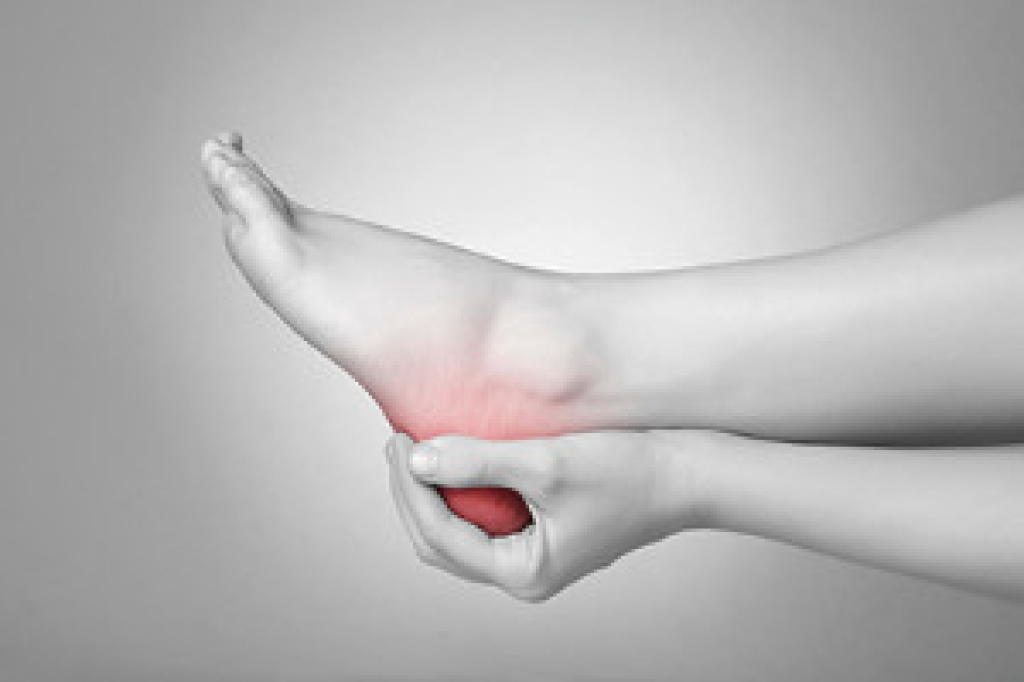
Signs and Risk Factors of Plantar Fasciitis

Plantar fasciitis is the result of the plantar fascia, the band on the bottom of the foot that connects the toes to the heel, becoming inflamed. Plantar fasciitis usually results in pain at the bottom of the heel or midfoot. Generally, the pain develops over time and can be either sharp or dull. Pain from plantar fasciitis is usually worse after waking up in the morning, after sitting or lying down for a long period of time, or after climbing stairs. Pain from plantar fasciitis is usually felt after an activity is completed and not as much during the activity. People who are between the ages of 40 and 70 and are active are at a higher risk of developing plantar fasciitis. Those who are obese, pregnant, run long distances, have structural foot problems, or have a very active job are also at a higher risk of developing plantar fasciitis. If you are experiencing the symptoms of plantar fasciitis, it is important to visit a podiatrist for a proper diagnosis and treatment plan.  

Plantar fasciitis can be very painful and inconvenient. If you are experiencing heel pain or symptoms of plantar fasciitis, contact Sarah Urton, DPM  from Kitsilano Foot and Ankle Clinic. Our doctor can provide the care you need to keep you pain-free and on your feet.

What Is Plantar Fasciitis?

Plantar fasciitis is the inflammation of the thick band of tissue that runs along the bottom of your foot, known as the plantar fascia, and causes mild to severe heel pain.

What Causes Plantar Fasciitis?

  • Excessive running
  • Non-supportive shoes
  • Overpronation
  • Repeated stretching and tearing of the plantar fascia

How Can It Be Treated?

  • Conservative measures – anti-inflammatories, ice packs, stretching exercises, physical therapy, orthotic devices
  • Shockwave therapy – sound waves are sent to the affected area to facilitate healing and are usually used for chronic cases of plantar fasciitis
  • Surgery – usually only used as a last resort when all else fails. The plantar fascia can be surgically detached from the heel

While very treatable, plantar fasciitis is definitely not something that should be ignored. Especially in severe cases, speaking to your doctor right away is highly recommended to avoid complications and severe heel pain. Your podiatrist can work with you to provide the appropriate treatment options tailored to your condition.

If you have any questions, please feel free to contact our office located in Vancouver, BC . We offer the newest diagnostic and treatment technologies for all your foot care needs.

Read more about Plantar Fasciitis

Plantar Hyperhidrosis May Increase the Risk of Other Foot Conditions

Patients who have excessively sweaty feet may experience a condition that is referred to as plantar hyperhidrosis. This ailment can occur as a result of overactive sweat glands which produce sweat when cooling the body is not necessary. Plantar hyperhidrosis may increase the risk for other foot conditions to develop, including athlete’s foot, warts, and corns. Additionally, shoes may fall off of your feet due to the excess sweat making them slippery, and there may be a strong odor that comes from the feet and shoes. If you are afflicted with plantar hyperhidrosis, it is suggested that you speak with a podiatrist who can determine what the best treatment is for you.

If you are suffering from hyperhidrosis contact Sarah Urton, DPM of Kitsilano Foot and Ankle Clinic. Our doctor can provide the care you need to attend to all of your foot and ankle needs.

Hyperhidrosis of the Feet

Hyperhidrosis is a rare disorder that can cause people to have excessive sweating of their feet. This can usually occur all on its own without rigorous activity involved. People who suffer from hyperhidrosis may also experience sweaty palms.

Although it is said that sweating is a healthy process meant to cool down the body temperature and to maintain a proper internal temperature, hyperhidrosis may prove to be a huge hindrance on a person’s everyday life.

Plantar hyperhidrosis is considered to be the main form of hyperhidrosis. Secondary hyperhidrosis can refer to sweating that occurs in areas other than the feet or hands and armpits. Often this may be a sign of it being related to another medical condition such as menopause, hyperthyroidism and even Parkinson’s disease.

In order to alleviate this condition, it is important to see your doctor so that they may prescribe the necessary medications so that you can begin to live a normal life again. If this is left untreated, it is said that it will persist throughout an individual’s life.

A last resort approach would be surgery, but it is best to speak with your doctor to find out what may be the best treatment for you.

If you have any questions, please feel free to contact our office located in Vancouver, BC . We offer the newest diagnostic and treatment technologies for all your foot care needs.
Read more about Hyperhidrosis of the Feet

Where Is the Tarsal Tunnel Located?

The tibial nerve is located in a small tunnel surrounded by tendons in the inner side of the ankle. Tarsal tunnel syndrome can develop when this specific nerve becomes compressed, and is often accompanied by pain and swelling. It may happen as a result of enduring an ankle injury, such as a sprain or fracture, or from having bone spurs. Mild relief may be found when the affected foot is elevated, and it may help to take anti-inflammatory medication. In severe cases, surgery can be a viable option to permanently reduce or eliminate the pain that is associated with this condition. If you have developed this ailment, it is strongly recommended that you speak with a podiatrist who can help you choose the correct treatment option.

Tarsal tunnel syndrome can be very uncomfortable to live with. If you are experiencing tarsal tunnel syndrome, contact Sarah Urton, DPM of Kitsilano Foot and Ankle Clinic. Our doctor can provide the care you need to keep you pain-free and on your feet.

Tarsal Tunnel Syndrome

Tarsal tunnel syndrome, which can also be called tibial nerve dysfunction, is an uncommon condition of misfiring peripheral nerves in the foot. The tibial nerve is the peripheral nerve in the leg responsible for sensation and movement of the foot and calf muscles. In tarsal tunnel syndrome, the tibial nerve is damaged, causing problems with movement and feeling in the foot of the affected leg.

Common Cause of Tarsal Tunnel Syndrome

  • Involves pressure or an injury, direct pressure on the tibial nerve for an extended period of time, sometimes caused by other body structures close by or near the knee.
  • Diseases that damage nerves, including diabetes, may cause tarsal tunnel syndrome.
  • At times, tarsal tunnel syndrome can appear without an obvious cause in some cases.

The Effects of Tarsal Tunnel Syndrome

  • Different sensations, an afflicted person may experience pain, tingling, burning or other unusual sensations in the foot of the affected leg.
  • The foot muscles, toes and ankle become weaker, and curling your toes or flexing your foot can become difficult.
  • If condition worsens, infections and ulcers may develop on the foot that is experiencing the syndrome.

A physical exam of the leg can help identify the presence of tarsal tunnel syndrome. Medical tests, such as a nerve biopsy, are also used to diagnose the condition. Patients may receive physical therapy and prescriptive medication. In extreme cases, some may require surgery.

If you have any questions please contact our office located in Vancouver, BC . We offer the newest diagnostic and treatment technologies for all your foot and ankle needs.

Read more about Tarsal Tunnel Syndrome

Why Do Bunions Develop?

A bony bump that extends around the base of the big toe joint may be referred to as a bunion. It can be difficult to wear shoes that fit properly as it grows, and this may cause pain and discomfort. Additional symptoms can include redness, swelling, and it may interfere with accomplishing daily activities. Some of the reasons bunions develop may include inherited foot structures such as flat feet, or wearing shoes that do not fit correctly. Additional reasons can include existing medical conditions such as rheumatoid arthritis, and certain nerve conditions can also affect the feet. If the bunion is severe and causes distress throughout the day, surgery may be an option for removal. If you have developed a bunion, it is strongly suggested that you are under the care of a podiatrist who can determine the extent of the deformity and provide effective treatment options.

If you are suffering from bunion pain, contact Sarah Urton, DPM of Kitsilano Foot and Ankle Clinic. Our doctor can provide the care you need to keep you pain-free and on your feet.

What Is a Bunion?

Bunions are painful bony bumps that usually develop on the inside of the foot at the joint of the big toe. As the deformity increases over time, it may become painful to walk and wear shoes. Women are more likely to exacerbate existing bunions since they often wear tight, narrow shoes that shift their toes together. Bunion pain can be relieved by wearing wider shoes with enough room for the toes.

Causes

  • Genetics – some people inherit feet that are more prone to bunion development
  • Inflammatory Conditions - rheumatoid arthritis and polio may cause bunion development

Symptoms

  • Redness and inflammation
  • Pain and tenderness
  • Callus or corns on the bump
  • Restricted motion in the big toe

In order to diagnose your bunion, your podiatrist may ask about your medical history, symptoms, and general health. Your doctor might also order an x-ray to take a closer look at your feet. Nonsurgical treatment options include orthotics, padding, icing, changes in footwear, and medication. If nonsurgical treatments don’t alleviate your bunion pain, surgery may be necessary.

If you have any questions, please feel free to contact our office located in Vancouver, BC . We offer the newest diagnostic and treatment technologies for all your foot care needs.

Read more about What Are Bunions?

Connect With Us

Advanced Podiatric Procedures & Services in the Vancouver (Kitsilano, Kerrisdale, West Point Grey), Burnaby, Richmond, New Westminster, Surrey, Coquitlam, Port Moody, West Vancouver, North Vancouver areas