
Do you suffer from heel pain when you get up in the morning? If so, you should seek professional help and have a proper diagnosis performed. Heel pain can be caused by several different foot-related conditions.
Do you suffer from heel pain when you get up in the morning? If so, you should seek professional help and have a proper diagnosis performed. Heel pain can be caused by several different foot-related conditions.

Swollen feet are a common concern that can affect people of all ages, and may develop gradually or appear suddenly. The feet may look puffy, shiny, or discolored, and the skin may feel tight, warm, or tender when touched. Symptoms can include aching, reduced mobility, and difficulty fitting into regular footwear. Causes often include prolonged standing, wearing ill-fitting shoes, poor circulation, inflammation, fluid retention, or underlying medical conditions. A podiatrist can begin by evaluating the swelling, assessing circulation, reviewing medical history, and identifying any biomechanical factors that may be contributing to the problem. Once a diagnosis is made, treatment options may involve compression guidance, orthotics to improve support, and strategies to reduce daily strain. In some cases, imaging or referral for further medical evaluation may be necessary. Because timely care can reduce discomfort and prevent complications, it is suggested that you schedule an appointment with a podiatrist for an accurate diagnosis and effective relief tips.
Swollen feet can be a sign of an underlying condition. If you have any concerns, contact Sarah Urton, DPM of Kitsilano Foot and Ankle Clinic. Our doctor can provide the care you need to keep you pain-free and on your feet.
Swollen feet are a common ailment among pregnant women and people who stand or sit for extended periods. Aging may increase the possibility of swollen feet and patients who are obese often notice when their feet are swelling too. There may be medical reasons why swollen feet occur:
Swollen feet can also be caused by bone and tendon conditions, including fractures, arthritis, and tendinitis. Additionally, there may be skin and toenail conditions and an infection may cause the feet to swell. Patients who take medicine to treat high blood pressure may be prone to getting swollen feet.
Many patients elevate their feet to help relieve the swelling and this is generally a temporary remedy. When a podiatrist is consulted the reason behind the swelling can be uncovered and subsequently treated.
If you have any questions please contact our office located in Vancouver, BC . We offer the newest diagnostic and treatment technologies for all your foot and ankle needs.
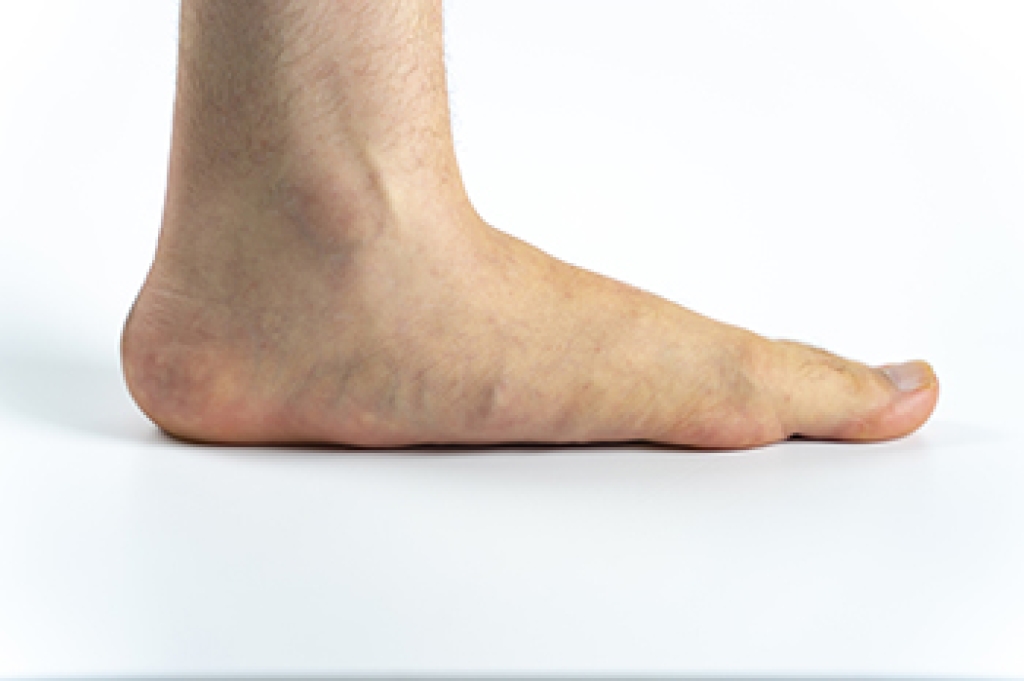
Flat feet occur when the arches of the feet do not rise off the ground, causing the entire foot to make contact with the surface. You can often find out if you have flat feet by looking at your footprint after stepping on a wet surface or by checking whether your ankles roll inward when standing. Flat feet differ from normal arches, which provide natural support and shock absorption, and from high arches, which place extra pressure on the heel and ball of the foot. A podiatrist can evaluate your arch type, identify any related pain or alignment problems, and recommend treatments such as supportive footwear or custom orthotics. If you have problems related to flat feet, it is suggested that you consult a podiatrist who can confirm this condition, and offer effective management tips.
Flatfoot is a condition many people suffer from. If you have flat feet, contact Sarah Urton, DPM from Kitsilano Foot and Ankle Clinic. Our doctor will treat your foot and ankle needs.
What Are Flat Feet?
Flatfoot is a condition in which the arch of the foot is depressed and the sole of the foot is almost completely in contact with the ground. About 20-30% of the population generally has flat feet because their arches never formed during growth.
Conditions & Problems:
Having flat feet makes it difficult to run or walk because of the stress placed on the ankles.
Alignment – The general alignment of your legs can be disrupted, because the ankles move inward which can cause major discomfort.
Knees – If you have complications with your knees, flat feet can be a contributor to arthritis in that area.
Symptoms
Treatment
If you are experiencing pain and stress on the foot you may weaken the posterior tibial tendon, which runs around the inside of the ankle.
If you have any questions, please feel free to contact our office located in Vancouver, BC . We offer the newest diagnostic and treatment technologies for all your foot care needs.

Ingrown toenails occur when the edge of a toenail grows into the surrounding skin. They are often caused by improper trimming, tight footwear, trauma, or genetic predisposition. An ingrown toenail may look red, swollen, or infected, and in severe cases, pus or drainage may be present. Many individuals experience pain, tenderness, or a throbbing sensation along the affected nail, making walking or wearing shoes uncomfortable. Ingrown toenails most commonly affect the big toe and can recur if not properly managed. A podiatrist can start by examining the nail and surrounding tissue to assess the severity and rule out infection. Treatment options include careful trimming, nail-lifting techniques, and medicated dressings. In chronic cases, partial nail removal or minor surgical procedures are required to prevent recurrence. Early professional care can help to reduce pain, prevent infection, and support healthy nail growth. If you notice persistent pain, swelling, or signs of infection around a toenail, it is suggested that you make an appointment with a podiatrist.
Ingrown toenails may initially present themselves as a minor discomfort, but they may progress into an infection in the skin without proper treatment. For more information about ingrown toenails, contact Sarah Urton, DPM of Kitsilano Foot and Ankle Clinic. Our doctor can provide the care you need to keep you pain-free and on your feet.
Ingrown Toenails
Ingrown toenails are caused when the corner or side of a toenail grows into the soft flesh surrounding it. They often result in redness, swelling, pain, and in some cases, infection. This condition typically affects the big toe and may recur if it is not treated properly.
Causes
You are more likely to develop an ingrown toenail if you are obese, have diabetes, arthritis, or have any fungal infection in your nails. Additionally, people who have foot or toe deformities are at a higher risk of developing an ingrown toenail.
Symptoms
Some symptoms of ingrown toenails are redness, swelling, and pain. In rare cases, there may be a yellowish drainage coming from the nail.
Treatment
Ignoring an ingrown toenail can have serious complications. Infections of the nail border can progress to a deeper soft-tissue infection, which can then turn into a bone infection. You should always speak with your podiatrist if you suspect you have an ingrown toenail, especially if you have diabetes or poor circulation.
If you have any questions, please feel free to contact our office located in Vancouver, BC . We offer the newest diagnostic and treatment technologies for all your foot care needs.
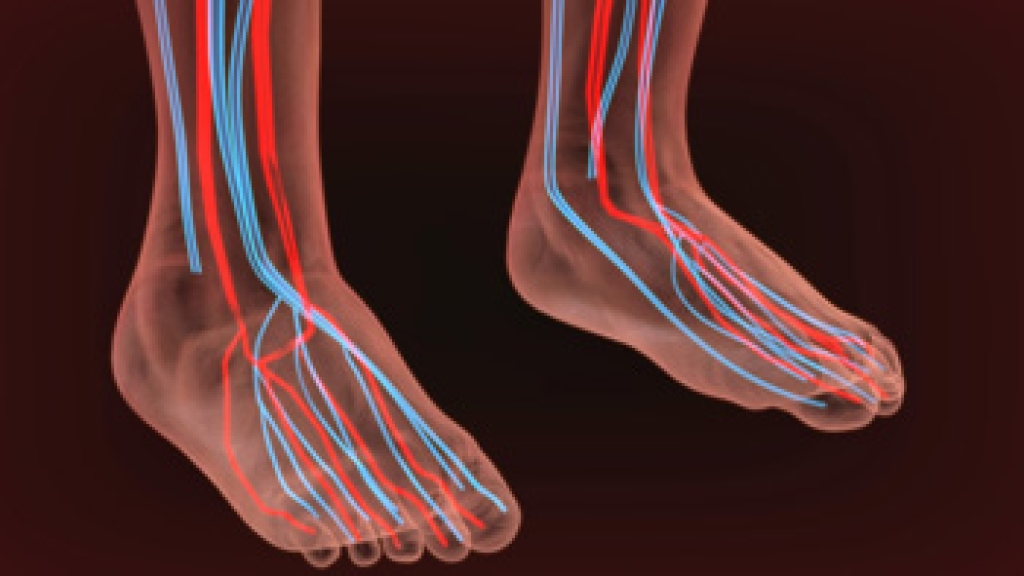
Poor circulation in the feet can cause coldness, numbness, swelling, and fatigue that make daily movement uncomfortable. Improving blood flow begins with simple habits that encourage the vessels to work more efficiently. Regular movement helps tremendously, even gentle activities like walking, ankle rotations, or stretching throughout the day. These actions activate the muscles that naturally push blood back toward the heart. Warm water foot soaks can also provide temporary comfort by relaxing tight tissues. Wearing shoes that fit well, avoiding long periods of sitting or standing, and elevating your feet while resting can further support healthier flow. People who smoke, have diabetes, or live with vascular concerns may notice circulation improves when these underlying issues are better managed. Compression socks can be useful for some individuals, but they are not right for everyone. If you experience persistent coldness, color changes, or slow-healing wounds on your feet, it is suggested that you see a podiatrist for an evaluation and tailored care.
Poor circulation is a serious condition and needs immediate medical attention. If you have any concerns with poor circulation in your feet contact Sarah Urton, DPM of Kitsilano Foot and Ankle Clinic. Our doctor will treat your foot and ankle needs.
Poor Circulation in the Feet
Poor blood circulation in the feet and legs is can be caused by peripheral artery disease (PAD), which is the result of a buildup of plaque in the arteries.
Plaque buildup or atherosclerosis results from excess calcium and cholesterol in the bloodstream. This can restrict the amount of blood which can flow through the arteries. Poor blood circulation in the feet and legs are sometimes caused by inflammation in the blood vessels, known as vasculitis.
Causes
Lack of oxygen and oxygen from poor blood circulation restricts muscle growth and development. It can also cause:
Those who have diabetes or smoke are at greatest risk for poor circulation, as are those who are over 50. If you have poor circulation in the feet and legs it may be caused by PAD and is important to make changes to your lifestyle in order to reduce risk of getting a heart attack or stroke. Exercise and maintaining a healthy lifestyle will dramatically improve conditions.
As always, see a podiatrist as he or she will assist in finding a regimen that suits you. A podiatrist can also prescribe you any needed medication.
If you have any questions, please feel free to contact our office located in Vancouver, BC . We offer the newest diagnostic and treatment technologies for all your foot care needs.
Connect With Us
