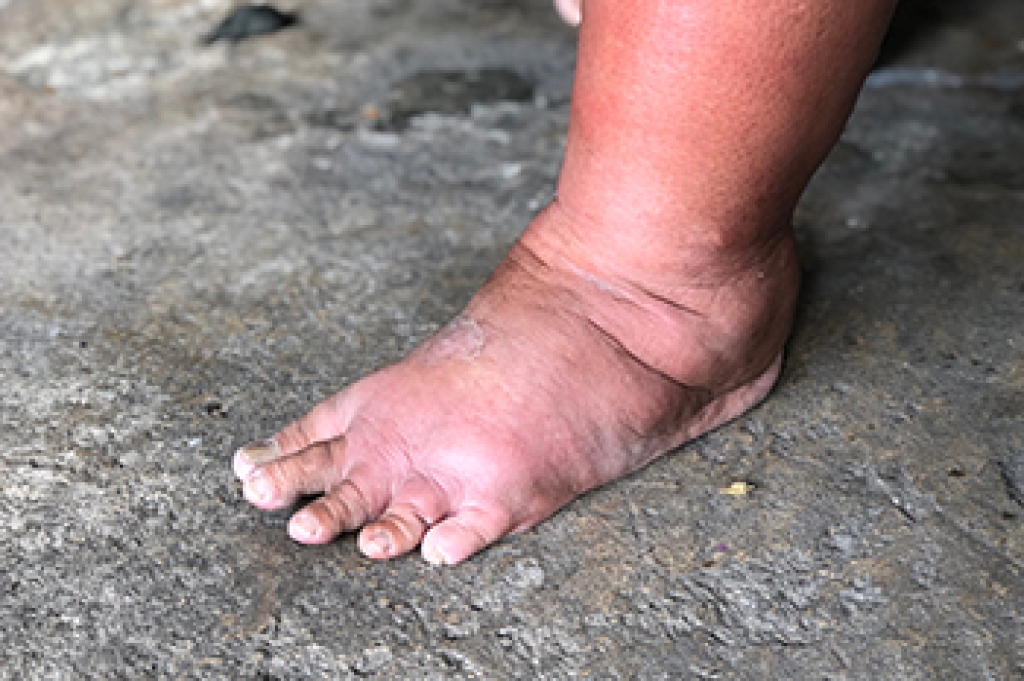
Dealing With Swollen Ankles

Swelling of the feet and ankles, also known as edema, occurs when fluid collects in the tissues of the lower legs. Many people notice that their shoes feel tighter or that the skin around the ankles appears puffy or stretched. In some cases, the skin may feel tender, heavy, or leave an indentation when pressed. Swelling may develop gradually throughout the day, especially after long periods of standing or sitting. Common causes include poor circulation, injury, inflammation, pregnancy, certain medications, or medical conditions that affect the heart, kidneys, or veins. Foot structure problems can also contribute when uneven pressure affects how fluid moves through the lower leg. A podiatrist can evaluate swelling through a physical examination and review of medical history to help identify possible causes. Treatment often focuses on improving circulation and reducing pressure in the feet and ankles. Care options include supportive footwear, compression, and targeted exercises that encourage healthy blood flow. If you have swollen feet and ankles, it is suggested that you make an appointment with a podiatrist.

Swollen feet can be a sign of an underlying condition. If you have any concerns, contact Sarah Urton, DPM of Kitsilano Foot and Ankle Clinic. Our doctor can provide the care you need to keep you pain-free and on your feet.

Swollen feet are a common ailment among pregnant women and people who stand or sit for extended periods. Aging may increase the possibility of swollen feet and patients who are obese often notice when their feet are swelling too. There may be medical reasons why swollen feet occur:

  • Phlebitis - A condition that causes the veins to become inflamed and can also cause leg pain.
  • Liver disease - This may lead to low blood levels of albumin which is a protein. This can cause fluid in the blood to pass into the tissues and several areas of the body can become swollen.
  • Heart failure - When the heart doesn’t pump properly the blood that is normally pumped back to the heart can pool in the veins of the legs causing swollen feet.
  • Kidney disease - One of the main functions of the kidneys is releasing excess fluid in the body. This type of condition can make it difficult for the kidneys to function properly, and as a result the feet may become swollen.
  • Deep-vein thrombosis (DVT)- This is a serious condition where blood clots form in the veins of the legs. They can block the return of blood from the legs to the heart which may cause the feet to swell. It is important to be treated by a podiatrist if this condition is present.

Swollen feet can also be caused by bone and tendon conditions, including fractures, arthritis, and tendinitis. Additionally, there may be skin and toenail conditions and an infection may cause the feet to swell. Patients who take medicine to treat high blood pressure may be prone to getting swollen feet. 

Many patients elevate their feet to help relieve the swelling and this is generally a temporary remedy. When a podiatrist is consulted the reason behind the swelling can be uncovered and subsequently treated.

If you have any questions please contact our office located in Vancouver, BC . We offer the newest diagnostic and treatment technologies for all your foot and ankle needs.

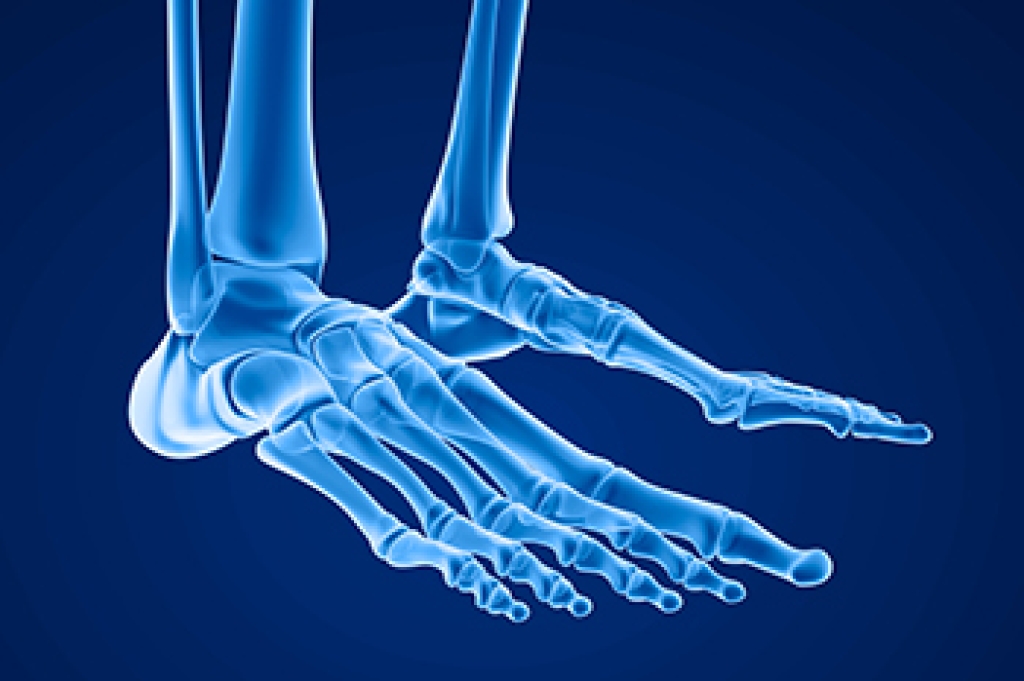
Read more about Swelling of the Feet

Symptoms of Toe Arthritis

Arthritis in the toes is a joint-related condition defined as chronic inflammation affecting the small joints of the forefoot. This inflammation may develop from gradual wear and tear associated with osteoarthritis, or from immune system-related changes seen in rheumatoid arthritis. Symptoms often include pain, swelling, restricted movement, redness, warmth, and gradual joint deformities that may affect walking comfort. Although movement can feel uncomfortable, gentle walking may help maintain joint flexibility and circulation, which supports overall foot function. Causes include aging-related joint stress, previous injury, or inflammatory disease. A podiatrist can evaluate joint health, reduce pressure on affected areas, and recommend supportive treatment. If toe pain or swelling develops, it is suggested that you consult a podiatrist to explore effective relief and management solutions.

Arthritis can be a difficult condition to live with. If you are seeking treatment, contact Sarah Urton, DPM from Kitsilano Foot and Ankle Clinic. Our doctor can provide the care you need to keep you pain-free and on your feet.

Arthritic Foot Care  

Arthritis is a term that is commonly used to describe joint pain.  The condition itself can occur to anyone of any age, race, or gender, and there are over 100 types of it.  Nevertheless, arthritis is more commonly found in women compared to men, and it is also more prevalent in those who are overweight. The causes of arthritis vary depending on which type of arthritis you have. Osteoarthritis for example, is often caused by injury, while rheumatoid arthritis is caused by a misdirected immune system.

Symptoms

  • Swelling
  • Pain
  • Stiffness
  • Decreased Range of Motion

Arthritic symptoms range in severity, and they may come and go. Some symptoms stay the same for several years but could potentially get worse with time. Severe cases of arthritis can prevent its sufferers from performing daily activities and make walking difficult.

Risk Factors

  • Occupation – Occupations requiring repetitive knee movements have been linked to osteoarthritis
  • Obesity – Excess weight can contribute to osteoarthritis development
  • Infection – Microbial agents can infect the joints and trigger arthritis
  • Joint Injuries – Damage to joints may lead to osteoarthritis
  • Age – Risk increases with age
  • Gender –Most types are more common in women
  • Genetics – Arthritis can be hereditary

If you suspect your arthritis is affecting your feet, it is crucial that you see a podiatrist immediately. Your doctor will be able to address your specific case and help you decide which treatment method is best for you.

If you have any questions please feel free to contact our office located in Vancouver, BC . We offer the newest diagnostic tools and technology to treat your foot and ankle needs.

Read more about How to Care for Your Arthritic Foot

Understanding Fifth Metatarsal Fractures

The metatarsals are the five long bones located in the mid-foot that connect the toes to the rest of the foot. The fifth metatarsal is the bone on the outer side that attaches to the small toe. A fracture in this bone is a common injury and can occur from a sudden twist, a fall, or repetitive stress. Pain is usually felt along the outer edge of the foot. Swelling, bruising, and difficulty putting weight on the foot often follow. Some fractures happen at the base of the bone, while others occur farther along the shaft. The exact location affects healing time and treatment decisions. Care may include immobilization with a walking boot, limited weight-bearing activity, or, in certain cases, surgical repair. Early diagnosis is important to prevent delayed healing. If you have persistent outer-foot pain after an injury, it is suggested that you see a podiatrist for a proper diagnosis and appropriate treatment.

A broken foot requires immediate medical attention and treatment. If you need your feet checked, contact Sarah Urton, DPM from Kitsilano Foot and Ankle Clinic. Our doctor can provide the care you need to keep you pain-free and on your feet.

Broken Foot Causes, Symptoms, and Treatment

A broken foot is caused by one of the bones in the foot typically breaking when bended, crushed, or stretched beyond its natural capabilities. Usually the location of the fracture indicates how the break occurred, whether it was through an object, fall, or any other type of injury. 

Common Symptoms of Broken Feet:

  • Bruising
  • Pain
  • Redness
  • Swelling
  • Blue in color
  • Numbness
  • Cold
  • Misshapen
  • Cuts
  • Deformities

Those that suspect they have a broken foot shoot seek urgent medical attention where a medical professional could diagnose the severity.

Treatment for broken bones varies depending on the cause, severity and location. Some will require the use of splints, casts or crutches while others could even involve surgery to repair the broken bones. Personal care includes the use of ice and keeping the foot stabilized and elevated.

If you have any questions, please feel free to contact our office located in Vancouver, BC . We offer the newest diagnostic and treatment technologies for all your foot care needs.

Read more about Causes, Symptoms, and Treatment for a Broken Foot

Foot Bones Commonly Affected by Stress Fractures

Stress fractures are small cracks in bone that develop when repeated force exceeds the bone’s ability to repair itself. In the foot, certain bones are more commonly affected because they bear body weight with every step. The second and third metatarsals, which are the long bones that connect the toes to the midfoot, are frequent sites of stress fractures. The heel bone can also develop stress fractures due to constant impact from walking and playing sports. Another high-risk area is the navicular bone near the top of the midfoot, which plays a key role in maintaining the arch. Symptoms of stress fractures include pinpoint tenderness, deep aching pain, swelling, and discomfort that worsens with activity. A podiatrist can evaluate gait mechanics and use advanced imaging to confirm the diagnosis. If you have symptoms of stress fractures in the feet, it is suggested that you make an appointment with a podiatrist for an exam, diagnosis, and treatment.

Stress fractures occur when there is a tiny crack within a bone. To learn more, contact Sarah Urton, DPM from Kitsilano Foot and Ankle Clinic. Our doctor can provide the care you need to keep you pain free and on your feet.

How Are They Caused?

Stress fractures are the result of repetitive force being placed on the bone. Since the lower leg and feet often carry most of the body’s weight, stress fractures are likely to occur in these areas. If you rush into a new exercise, you are more likely to develop a stress fracture since you are starting too much, too soon.  Pain resulting from stress fractures may go unnoticed at first, however it may start to worsen over time.

Risk Factors

  • Gender – They are more commonly found in women compared to men.
  • Foot Problems – People with unusual arches in their feet are more likely to develop stress fractures.
  • Certain Sports – Dancers, gymnasts, tennis players, runners, and basketball players are more likely to develop stress fractures.
  • Lack of Nutrients – A lack of vitamin D and calcium may weaken the bones and make you more prone to stress fractures
  • Weak Bones – Osteoporosis can weaken the bones therefore resulting in stress fractures

Stress fractures do not always heal properly, so it is important that you seek help from a podiatrist if you suspect you may have one. Ignoring your stress fracture may cause it to worsen, and you may develop chronic pain as well as additional fractures.

If you have any questions please contact our office located in Vancouver, BC . We offer the newest diagnostic and treatment technologies for all your foot and ankle needs.

Read more about Dealing with Stress Fractures of the Foot and Ankle

Understanding Intoeing in Children

Intoeing in children is a condition in which the feet turn inward while walking or running. It is commonly noticed during early childhood and often relates to developmental alignment changes. Frequent causes include conditions where the thigh bone rotates inward, the shin bone twists inward, or the front portion of the foot is curved. These variations are usually related to growth patterns and positioning before birth. Although many cases improve naturally, some children may experience tripping, discomfort, or gait concerns. A podiatrist can evaluate lower limb alignment and recommend supportive treatments when needed. If your child has been born with intoeing, it is suggested that you consult a podiatrist who can help you to manage this condition.

Making sure that your children maintain good foot health is very important as they grow. If you have any questions, contact Sarah Urton, DPM of Kitsilano Foot and Ankle Clinic. Our doctor can provide the care you need to keep you pain-free and on your feet.

Keeping Children's Feet Healthy

Having healthy feet during childhood can help prevent medical problems later in life, namely in the back and legs. As children grow, their feet require different types of care. Here are some things to consider...

Although babies do not walk yet, it is still very important to take care of their feet.

Avoid putting tight shoes or socks on his or her feet.

Allow the baby to stretch and kick his or her feet to feel comfortable.

As a toddler, kids are now on the move and begin to develop differently. At this age, toddlers are getting a feel for walking, so don’t be alarmed if your toddler is unsteady or ‘walks funny’. 

As your child gets older, it is important to teach them how to take care of their feet.

Show them proper hygiene to prevent infections such as fungus.

Be watchful for any pain or injury.

Have all injuries checked by a doctor as soon as possible.

Comfortable, protective shoes should always be worn, especially at play.

If you have any questions, please feel free to contact our office located in Vancouver, BC . We offer the newest diagnostic and treatment technologies for all your foot care needs.

Read more about How to Care for Your Child's Feet

Connect With Us

Advanced Podiatric Procedures & Services in the Vancouver (Kitsilano, Kerrisdale, West Point Grey), Burnaby, Richmond, New Westminster, Surrey, Coquitlam, Port Moody, West Vancouver, North Vancouver areas