
Have you noticed a bony protrusion on the side of your big toe? If so, you may have developed the foot condition known as a bunion. Don't let bunions interfere with your daily activities.
Have you noticed a bony protrusion on the side of your big toe? If so, you may have developed the foot condition known as a bunion. Don't let bunions interfere with your daily activities.
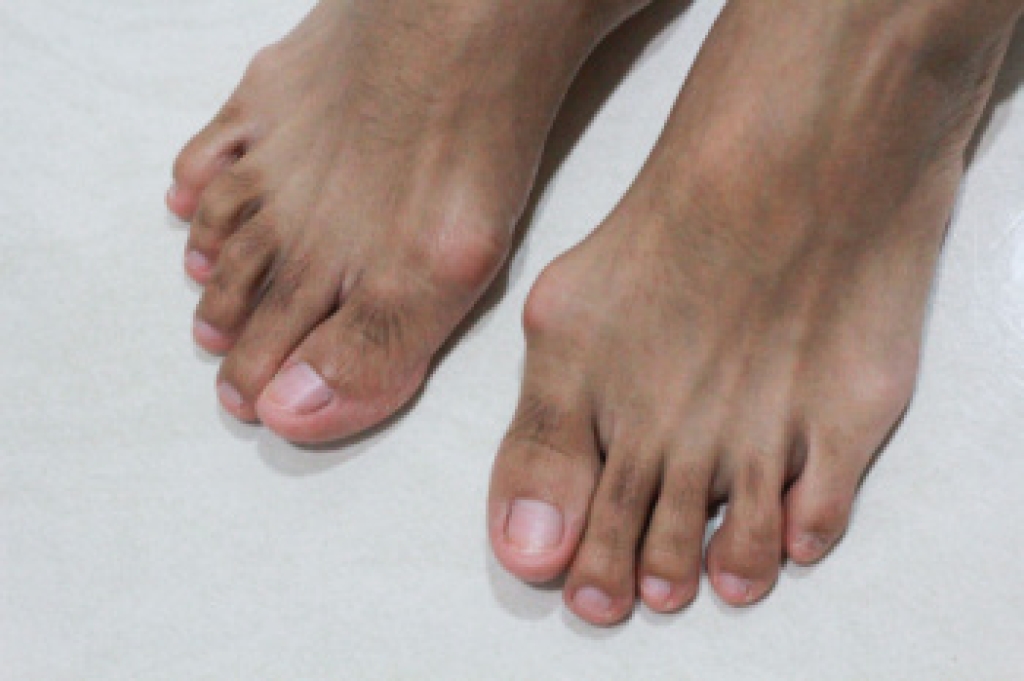
Bunions are bony bumps that form when the bones near a toe joint move out of their normal positions. Three types of bunions are frequently seen by a podiatrist. The most common bunion develops at the base of the big toe. As the tip of the big toe leans toward the second toe, the base of the joint protrudes on the inner side of the foot. A bunionette, also called a tailor’s bunion, develops in a similar way at the base of the pinky toe. An adolescent bunion is frequently linked to an inherited foot shape, and begins in childhood or the teenage years.
Another way of describing bunions is by their severity. X-rays show the positions of the bones and the amount of joint misalignment. A mild bunion has a smaller change in the bone angles and can cause limited discomfort. A moderate bunion has a greater shift, which can make the bump more noticeable and shoes harder to fit. With a severe bunion, the big toe can press against or overlap the second toe. Pain can interfere with standing, exercise, and daily activities. Some patients also have stiffness or arthritis in the big-toe joint. Skin irritation, corns, or calluses can develop where a bunion rubs against a shoe or where crowded toes touch.
A podiatrist can determine the type and severity of a bunion through an examination and weight-bearing X-rays. Treatment is based on symptoms rather than the bump’s appearance alone. A podiatrist can recommend wearing fitted shoes with a wide toe box, protective padding, or custom orthotics to improve pressure distribution. When pain remains severe or the deformity limits activity, surgery can realign bones and joints. The procedure chosen depends on the bunion’s location and degree of misalignment. Early evaluation can help protect joint function and guide care before symptoms become more limiting. If you have pain from a bunion, it is suggested that you schedule an appointment with a podiatrist for effective relief and management solutions.
If you are suffering from bunion pain, contact Sarah Urton, DPM of Kitsilano Foot and Ankle Clinic. Our doctor can provide the care you need to keep you pain-free and on your feet.
What Is a Bunion?
Bunions are painful bony bumps that usually develop on the inside of the foot at the joint of the big toe. As the deformity increases over time, it may become painful to walk and wear shoes. Women are more likely to exacerbate existing bunions since they often wear tight, narrow shoes that shift their toes together. Bunion pain can be relieved by wearing wider shoes with enough room for the toes.
Causes
Symptoms
In order to diagnose your bunion, your podiatrist may ask about your medical history, symptoms, and general health. Your doctor might also order an x-ray to take a closer look at your feet. Nonsurgical treatment options include orthotics, padding, icing, changes in footwear, and medication. If nonsurgical treatments don’t alleviate your bunion pain, surgery may be necessary.
If you have any questions, please feel free to contact our office located in Vancouver, BC . We offer the newest diagnostic and treatment technologies for all your foot care needs.
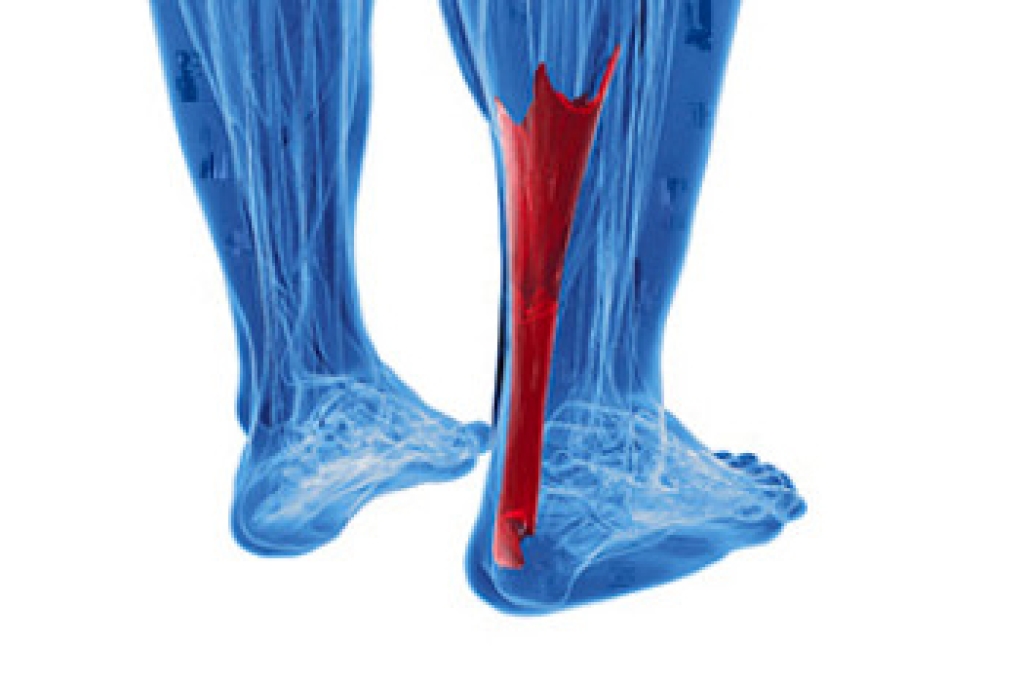
Ballet dancers place demands on the feet and ankles, which can make Achilles tendon injuries a concern. The Achilles tendon connects the calf muscles to the heel and helps the foot push off during movement. An injury can cause pain, stiffness, or swelling near the back of the ankle. Symptoms may become more noticeable during jumps, pointe work, or repeated movements.
Overuse is a common cause of Achilles tendon problems in ballet dancers. Rehearsing for long hours, increasing training too quickly, or repeating demanding movements can place stress on the tendon. Poor technique, limited calf flexibility, and wearing unsupportive footwear may also increase risk. Previous Achilles problems can make another injury more likely. Pain should not be ignored because dancing is part of a routine.
Finding relief starts with giving the tendon time to recover. Refrain from dancing until pain and swelling have improved and a podiatrist has advised a return. Rest may help reduce discomfort during the early stage. Adhesive strapping may provide support when recommended by a podiatrist. During an evaluation, a podiatrist will examine the ankle, discuss training habits, and check tendon function. Imaging tests may be ordered when a serious injury is suspected. Treatment can include activity changes, wearing supportive footwear, or other measures based on the injury.
Returning to ballet should be gradual rather than rushed. A podiatrist can help determine when dancing may safely resume and how to reduce stress on the Achilles tendon. Dancers should pay attention to recurring stiffness or pain after practice because these symptoms may signal continued irritation. Taking breaks and addressing symptoms early can help protect foot and ankle health. If you are a ballet dancer and have sustained an Achilles tendon injury, it is suggested that you consult a podiatrist for effective relief and treatment solutions.
Achilles tendon injuries need immediate attention to avoid future complications. If you have any concerns, contact Sarah Urton, DPM of Kitsilano Foot and Ankle Clinic. Our doctor can provide the care you need to keep you pain-free and on your feet.
What Is the Achilles Tendon?
The Achilles tendon is a tendon that connects the lower leg muscles and calf to the heel of the foot. It is the strongest tendon in the human body and is essential for making movement possible. Because this tendon is such an integral part of the body, any injuries to it can create immense difficulties and should immediately be presented to a doctor.
What Are the Symptoms of an Achilles Tendon Injury?
There are various types of injuries that can affect the Achilles tendon. The two most common injuries are Achilles tendinitis and ruptures of the tendon.
Achilles Tendinitis Symptoms
Rupture Symptoms
Treatment and Prevention
Achilles tendon injuries are diagnosed by a thorough physical evaluation, which can include an MRI. Treatment involves rest, physical therapy, and in some cases, surgery. However, various preventative measures can be taken to avoid these injuries, such as:
If you have any questions please feel free to contact our office located in Vancouver, BC . We offer the newest diagnostic tools and technology to treat your foot and ankle needs.
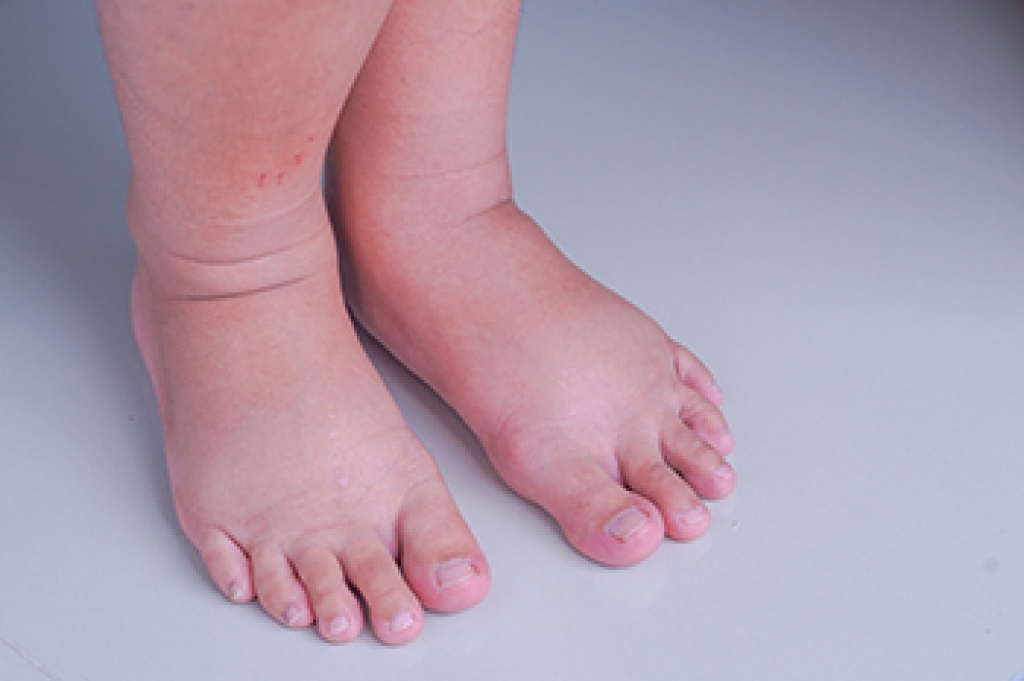
Swollen feet are common during pregnancy, especially as the day comes to an end. This swelling, called edema, happens when the body holds more water than usual. Extra fluid can gather in the lower part of the body because gravity pulls it downward. Additionally, a growing womb can place pressure on blood vessels, making it harder for blood and fluid to return from the legs. Feet and ankles may look puffy.
Several pregnancy changes can increase the risk of swollen feet. Standing for long periods of time can encourage fluid to collect around the ankles. Warm weather, body weight and less movement may also contribute. Swelling is often more noticeable late in pregnancy. Although mild swelling can be normal, sudden or severe swelling needs prompt medical attention. Swelling with severe headache, vision changes, or shortness of breath should be evaluated because these symptoms can signal a complication.
You can take simple steps to manage pregnancy-related foot swelling. Avoid standing for long periods of time, and change positions regularly. When resting, elevate your feet when possible. Gentle foot exercises can help circulation. Rotate your feet in circles, then point and flex each foot. Comfortable shoes can reduce pressure. A podiatrist can examine your feet and ankles, review your symptoms, and determine whether another foot condition is contributing. Treatment may include footwear recommendations or activity guidance.
Pregnancy swelling usually improves with rest and after delivery, but persistent discomfort should not be ignored. Keep track of when swelling appears and whether one foot becomes more swollen. A podiatrist can monitor changes and recommend care. If your feet are swollen during pregnancy and are causing difficulty in completing daily activities, it is suggested that you consult a podiatrist for effective relief and management solutions.
Swollen feet can be a sign of an underlying condition. If you have any concerns, contact Sarah Urton, DPM of Kitsilano Foot and Ankle Clinic. Our doctor can provide the care you need to keep you pain-free and on your feet.
Swollen feet are a common ailment among pregnant women and people who stand or sit for extended periods. Aging may increase the possibility of swollen feet and patients who are obese often notice when their feet are swelling too. There may be medical reasons why swollen feet occur:
Swollen feet can also be caused by bone and tendon conditions, including fractures, arthritis, and tendinitis. Additionally, there may be skin and toenail conditions and an infection may cause the feet to swell. Patients who take medicine to treat high blood pressure may be prone to getting swollen feet.
Many patients elevate their feet to help relieve the swelling and this is generally a temporary remedy. When a podiatrist is consulted the reason behind the swelling can be uncovered and subsequently treated.
If you have any questions please contact our office located in Vancouver, BC . We offer the newest diagnostic and treatment technologies for all your foot and ankle needs.
Poor circulation happens when blood does not flow effectively to parts of the body. The feet are vulnerable because they are far from the heart. Reduced blood flow can limit the oxygen and nutrients reaching the tissues. Signs can include numbness, tingling, and swelling. The feet can also feel unusually cold or develop changes in skin color. Poor circulation can contribute to aching or cramping in the legs and feet. Wounds can also heal more slowly when the tissues do not receive enough blood.
Several health problems can interfere with circulation. Atherosclerosis occurs when plaque builds up inside arteries, causing them to narrow and harden. When this problem affects the limbs, it is called peripheral artery disease, or PAD. Diabetes can also damage blood vessels and contribute to circulation problems. Blood clots can restrict or completely block blood flow. Smoking can narrow blood vessels and increase plaque buildup. Limited physical activity can also raise the risk of conditions linked to poor circulation. These causes make persistent changes in the feet important to evaluate.
A podiatrist can examine the feet for signs that blood flow is reduced. The evaluation can include checking skin color, temperature, and pulses in the feet. A podiatrist can also look for sores that are healing slowly and changes in the toenails or skin. Tests can help determine whether circulation problems are affecting the lower limbs. Treatment depends on the cause and severity of reduced blood flow. Early evaluation is important because poor circulation can interfere with wound healing and increase the risk of serious foot complications. Regular podiatric care can help protect vulnerable feet and identify concerning changes before they become more severe. If you have symptoms of poor circulation, it is suggested that you schedule an appointment with a podiatrist for a diagnosis and appropriate treatment.
While poor circulation itself isn’t a condition; it is a symptom of another underlying health condition you may have. If you have any concerns with poor circulation in your feet contact Sarah Urton, DPM of Kitsilano Foot and Ankle Clinic. Our doctor will treat your foot and ankle needs.
Poor Circulation in the Feet
Peripheral artery disease (PAD) can potentially lead to poor circulation in the lower extremities. PAD is a condition that causes the blood vessels and arteries to narrow. In a linked condition called atherosclerosis, the arteries stiffen up due to a buildup of plaque in the arteries and blood vessels. These two conditions can cause a decrease in the amount of blood that flows to your extremities, therefore resulting in pain.
Symptoms
Some of the most common symptoms of poor circulation are:
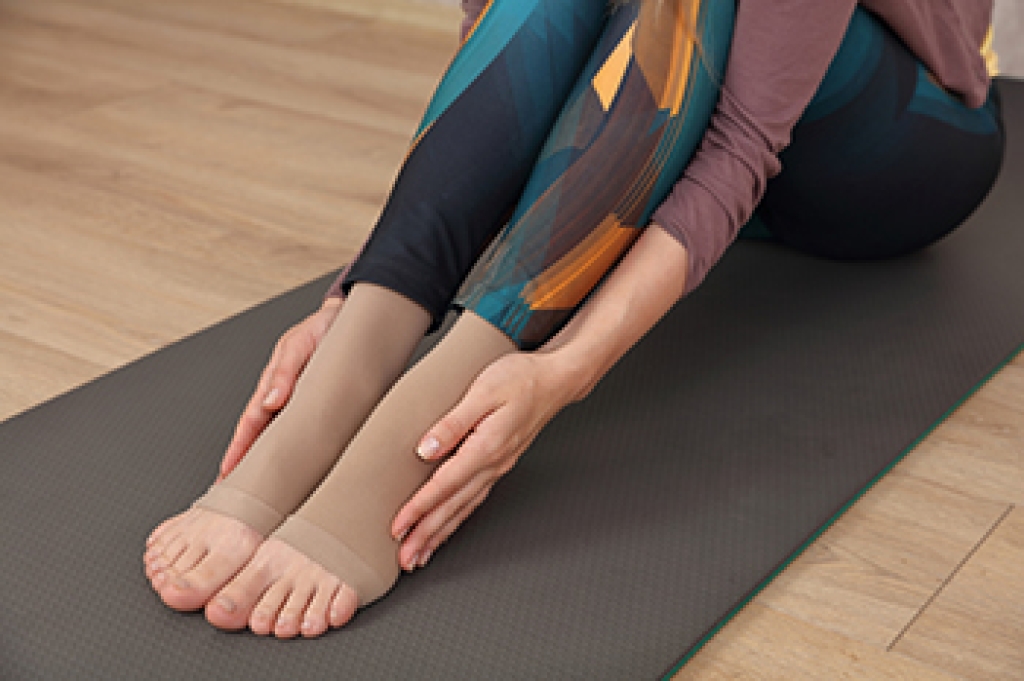
Treatment for poor circulation often depends on the underlying condition that causes it. Methods for treatment may include insulin for diabetes, special exercise programs, surgery for varicose veins, or compression socks for swollen legs.
As always, see a podiatrist as he or she will assist in finding a regimen that suits you. A podiatrist can also prescribe you any needed medication.
If you have any questions, please feel free to contact our office located in Vancouver, BC . We offer the newest diagnostic and treatment technologies for all your foot care needs.
Connect With Us
