Facts About Bunions and Bunionettes

Bunions and buninettes develop when the bones in the toe area gradually shift out of alignment. A bunion, also called hallux valgus, forms when the big toe moves toward the smaller toes as the joint at the base of the big toe becomes enlarged and prominent. A buninette, also known as a tailor’s bunion, develops on the outside of the foot near the base of the little toe. Both conditions can change foot structure and may become painful without proper care.

Symptoms of bunions and buninettes often include a visible bump, swelling, redness, and tenderness around the affected joint. People may experience discomfort while walking or wearing shoes, especially narrow footwear that places pressure on the affected area. Other symptoms can include stiffness, difficulty moving the toe, and irritation caused by friction against shoes. In advanced cases, these deformities may contribute to changes in walking patterns and increased stress on other areas of the foot.


Several risk factors can contribute to the development of bunions and buninettes. Genetics often play a role because inherited foot structure, such as flat feet or abnormal joint alignment, can increase the likelihood of developing these conditions. Wearing tight, narrow, or poorly fitting shoes may place additional pressure on the toes and worsen symptoms. Other risk factors include arthritis, muscle imbalance, and activities that place repeated stress on the feet.


The causes of bunions and buninettes are often related to gradual changes in foot mechanics and alignment. Abnormal movement while walking can place uneven pressure on the toe joints, leading to progressive changes over time. Early evaluation and proper treatment can help reduce discomfort and support better foot function. Wearing supportive footwear, activity adjustments, and custom orthotics may help manage symptoms and improve comfort. If you have developed a bunion or bunionette, it is suggested that you consult a podiatrist for effective relief and management solutions.

If you are suffering from bunions, contact Sarah Urton, DPM of Kitsilano Foot and Ankle Clinic. Our doctor can provide the care you need to keep you pain-free and on your feet.

What Is a Bunion?

A bunion is formed of swollen tissue or an enlargement of boney growth, usually located at the base joint of the toe that connects to the foot. The swelling occurs due to the bones in the big toe shifting inward, which impacts the other toes of the foot. This causes the area around the base of the big toe to become inflamed and painful.

Why Do Bunions Form?

Genetics – Susceptibility to bunions are often hereditary

Stress on the feet – Poorly fitted and uncomfortable footwear that places stress on feet, such as heels, can worsen existing bunions

How Are Bunions Diagnosed?

Podiatrists often perform two tests – blood tests and x-rays – when trying to diagnose bunions, especially in the early stages of development. Blood tests help determine if the foot pain is being caused by something else, such as arthritis, while x-rays provide a clear picture of your bone structure to your provider.

How Are Bunions Treated?

  • Refrain from wearing heels or similar shoes that cause discomfort
  • Select wider shoes that can provide more comfort and reduce pain
  • Anti-inflammatory and pain management drugs
  • Orthotics or foot inserts
  • Surgery

If you have any questions, please feel free to contact our office located in Vancouver, BC . We offer the newest diagnostic and treatment technologies for all your foot care needs.

Read more about Bunions

What Is an Achilles Tendon Injury?

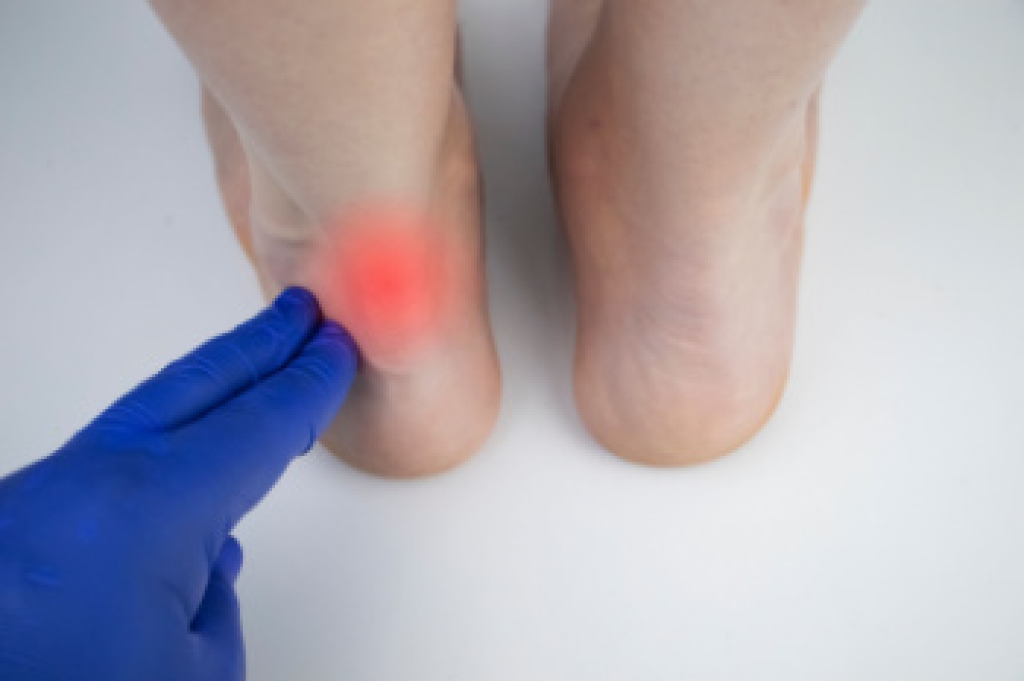
An Achilles tendon injury affects the strong band of tissue that connects the calf muscles to the heel bone. This tendon plays a key role in walking, running, and jumping by allowing the foot to push off the ground. Injuries can range from mild irritation to partial or complete tears. These injuries often develop due to overuse or sudden stress on the tendon. Understanding the definition and causes of Achilles tendon injuries can help individuals take steps to protect their mobility.

Symptoms of an Achilles tendon injury may include pain along the back of the heel, stiffness, and swelling. Discomfort is often worse during activity or after periods of rest. Some individuals notice a tight feeling in the lower leg or difficulty pushing off while walking. In more severe cases, a sudden sharp pain may occur, sometimes described as a snapping sensation. Reduced strength and limited movement can affect daily activities and athletic performance.


Several risk factors contribute to Achilles tendon injuries. Weak calf muscles and ankle instability can increase strain on the tendon during movement. Changes in playing surface, such as moving from soft to hard ground, may place additional stress on the foot and ankle. Wearing high heels regularly can shorten the tendon over time, making it more vulnerable to injury when switching to flat shoes. Other risk factors include sudden increases in physical activity, improper footwear, and inadequate warm up routines.


Preventing Achilles tendon injuries involves strengthening the calf muscles, improving flexibility, and maintaining proper footwear habits. Gradual increases in activity and attention to surface changes can reduce strain on the tendon. Stretching exercises and supportive shoes can help maintain proper alignment and reduce injury risk. Early recognition of symptoms allows for timely care and better outcomes. If you have an Achilles tendon injury, it is suggested that you consult a podiatrist for effective relief and treatment solutions.

Achilles tendon injuries need immediate attention to avoid future complications. If you have any concerns, contact Sarah Urton, DPM of Kitsilano Foot and Ankle Clinic. Our doctor can provide the care you need to keep you pain-free and on your feet.

What Is the Achilles Tendon?

The Achilles tendon is a tendon that connects the lower leg muscles and calf to the heel of the foot. It is the strongest tendon in the human body and is essential for making movement possible. Because this tendon is such an integral part of the body, any injuries to it can create immense difficulties and should immediately be presented to a doctor.

What Are the Symptoms of an Achilles Tendon Injury?

There are various types of injuries that can affect the Achilles tendon. The two most common injuries are Achilles tendinitis and ruptures of the tendon.

Achilles Tendinitis Symptoms

  • Inflammation
  • Dull to severe pain
  • Increased blood flow to the tendon
  • Thickening of the tendon

Rupture Symptoms

  • Extreme pain and swelling in the foot
  • Total immobility

Treatment and Prevention

Achilles tendon injuries are diagnosed by a thorough physical evaluation, which can include an MRI. Treatment involves rest, physical therapy, and in some cases, surgery. However, various preventative measures can be taken to avoid these injuries, such as:

  • Thorough stretching of the tendon before and after exercise
  • Strengthening exercises like calf raises, squats, leg curls, leg extensions, leg raises, lunges, and leg presses

If you have any questions please feel free to contact our office located in Vancouver, BC . We offer the newest diagnostic tools and technology to treat your foot and ankle needs.

Read more about What are Achilles Tendon Injuries

Connect With Us

Advanced Podiatric Procedures & Services in the Vancouver (Kitsilano, Kerrisdale, West Point Grey), Burnaby, Richmond, New Westminster, Surrey, Coquitlam, Port Moody, West Vancouver, North Vancouver areas