
If left untreated, an ingrown toenail can lead to more serious concerns, such as an infection. Knowing proper nail care can help in the prevention of an ingrown toenail. Give us a call, and get treated!
If left untreated, an ingrown toenail can lead to more serious concerns, such as an infection. Knowing proper nail care can help in the prevention of an ingrown toenail. Give us a call, and get treated!

A bump on the big toe can be uncomfortable and may make walking or wearing shoes difficult. Several conditions can cause a bump, including a bone spur, bunion, or gout. Each condition has varied causes, symptoms, and treatment needs. Recognizing causes can help you know when to seek podiatric care and prevent discomfort from becoming worse.
A bone spur is an extra growth of bone that may form around a joint because of arthritis, repeated stress, or a previous injury. It can create a bump, stiffness, or discomfort when shoes press against the area. A bunion develops when the big toe gradually shifts toward the smaller toes, causing the joint at its base to become more prominent. Bunions may cause swelling, redness, and shoe pressure. Gout is inflammatory arthritis caused by uric acid crystals collecting inside a joint. It often causes pain, swelling, and redness around the big toe.
Risk factors depend on the condition. Bunions may be linked to family history, foot structure, and restrictive footwear. Bone spurs may develop with arthritis, repeated stress, or previous joint injuries. Additionally, gout risk can increase with elevated uric acid levels, family history, and dietary factors. A podiatrist can examine your foot, review the symptoms, and order imaging to identify the cause.
Treatment depends on the underlying problem and its effect on comfort and mobility. Options include wearing roomy shoes, protective padding, or custom orthotics. Gout treatment may focus on reducing inflammation and preventing attacks. Persistent bunions or painful bone spurs may sometimes require surgery when conservative care does not provide relief. If you notice a bump on your big toe, it is suggested that you consult a podiatrist for an accurate diagnosis and appropriate treatment solutions.
Toe pain can disrupt your daily activities. If you have any concerns, contact Sarah Urton, DPM of Kitsilano Foot and Ankle Clinic. Our doctor can provide the care you need to keep you pain-free and on your feet.
What Causes Toe Pain?
Most severe toe pain is caused due to a sports injury, trauma from dropping something heavy on the toe, or bumping into something rigid. Other problems can develop over time for various reasons.
Toe pain can be caused by one or more ailments. The most common include:
When to See a Podiatrist
Diagnosis
In many cases the cause of toe pain is obvious, but in others, a podiatrist may want to use more advanced methods to determine the problem. These can range from simple visual inspections and sensation tests to X-rays and MRI scans. Prior medical history, family medical history, and any recent physical traumatic events will all be taken into consideration for a proper diagnosis.
Treatment
Treatments for toe pain and injuries vary and may include shoe inserts, padding, taping, medicines, injections, and in some cases, surgery. If you believe that you have broken a toe, please see a podiatrist as soon as possible.
If you have any questions please contact our office located in Vancouver, BC . We offer the newest diagnostic and treatment technologies for all your foot and ankle needs.
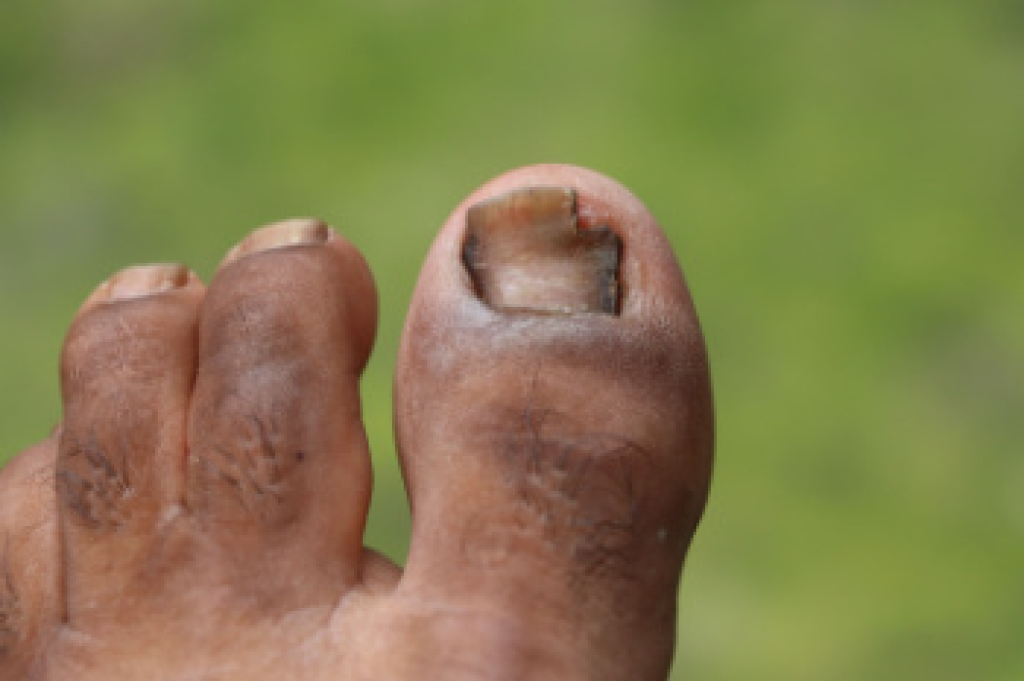
Toenail fungus is an infection that develops beneath the toenail and can affect people of any age. Older adults have a higher risk of developing it. The infection can begin under the tip of a toenail and gradually spread across the nail. Signs include discoloration, thickening, and brittleness. The edge of the nail can also begin to crumble. Different types of fungi can cause the infection. Toenail fungus can spread to the skin between the toes, where it can lead to athlete’s foot.
Certain health conditions can make toenail fungus more concerning. Diabetes or a weakened immune system can increase the risk of complications because the body has more difficulty fighting infection. An untreated fungal infection can spread beyond the toenails to other areas of the body. It can also permanently damage the affected nail. Toenail fungus can be difficult to eliminate and can return after treatment. Delaying care can make the infection harder to treat. For this reason, changes in nail color, texture, or thickness deserve attention before the problem becomes more severe.
A podiatrist can examine an affected toenail and determine whether fungus is responsible for the changes. This is important because other nail problems can resemble a fungal infection. Treatment depends on the severity of the infection and the patient’s health. A podiatrist can recommend appropriate antifungal treatment and monitor how the nail responds. In severe or painful cases, treatment can involve removing part or all of the affected nail. Because toenails grow slowly, visible improvement can take several months. Prompt treatment can also help reduce the chance that the infection will spread or cause lasting nail damage. If you have symptoms of toenail fungus, it is suggested that you schedule an appointment with a podiatrist for a diagnosis and appropriate treatment.
For more information about treatment, contact Sarah Urton, DPM of Kitsilano Foot and Ankle Clinic. Our doctor can provide the care you need to keep you pain-free and on your feet.
Toenail Fungus Treatment
Toenail fungus is a condition that affects many people and can be especially hard to get rid of. Fortunately, there are several methods to go about treating and avoiding it.
Antifungals & Deterrence
Oral antifungal medicine has been shown to be effective in many cases. It is important to consult with a podiatrist to determine the proper regiment for you, or potentially explore other options.
Applying foot powder on the feet and shoes helps keep the feet free of moisture and sweat.
Sandals or open toed shoes – Wearing these will allow air movement and help keep feet dry. They also expose your feet to light, which fungus cannot tolerate. Socks with moisture wicking material also help as well.
If you have any questions please contact our office located in Vancouver, BC . We offer the newest diagnostic and treatment technologies for all your foot and ankle needs.
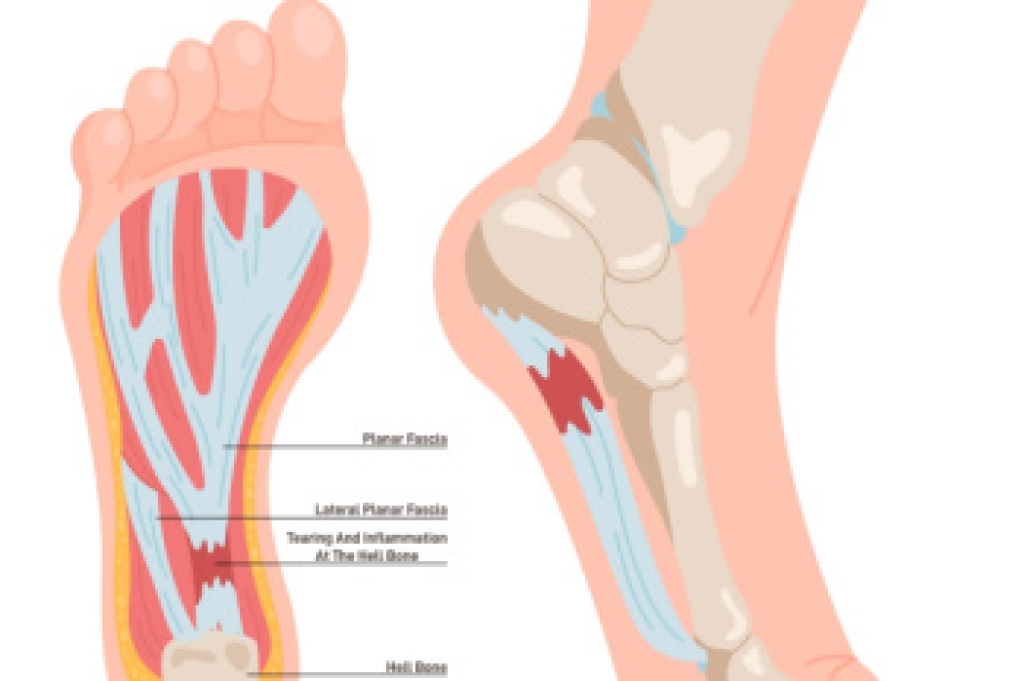
Plantar fasciitis causes pain along the bottom of the heel. It occurs when the plantar fascia, a strong band of tissue connecting the heel bone to the toes, becomes irritated or strained. This tissue supports the arch and helps absorb pressure with every step. Repeated stress can cause small tissue injuries and discomfort. Plantar fasciitis may affect people of many ages, especially those who spend much of the day standing, walking, or participating in activities that place repeated pressure on the feet. Recognizing the condition early can help prevent heel pain from becoming a persistent problem.
One of the most recognizable symptoms of plantar fasciitis is sharp heel pain with the first steps in the morning. The discomfort may improve after moving around but can return after sitting or resting for a long time. Pain may also develop after exercise, prolonged walking, or extended periods of standing. Tenderness commonly occurs near the bottom or inner portion of the heel. As symptoms continue, everyday activities may become more difficult, including walking, working, and completing household tasks.
Several risk factors can contribute to plantar fasciitis. Frequent running, walking, and prolonged standing can place additional stress on the plantar fascia. Flat feet, high arches, and certain walking patterns may also affect how pressure is distributed across the foot. Wearing shoes without adequate support can increase strain, particularly when standing or walking for long periods of time. Carrying excess body weight may place additional pressure on the feet and contribute to irritation.
A podiatrist can examine the foot, review symptoms, and assess foot structure and walking mechanics to determine the likely cause of heel pain. Treatment may include wearing supportive footwear, custom orthotics, and stretching exercises. If you have consistent heel pain or symptoms of plantar fasciitis, it is suggested that you consult a podiatrist for effective relief and treatment solutions.
Plantar fasciitis can be very painful and inconvenient. If you are experiencing heel pain or symptoms of plantar fasciitis, contact Sarah Urton, DPM from Kitsilano Foot and Ankle Clinic. Our doctor can provide the care you need to keep you pain-free and on your feet.
What Is Plantar Fasciitis?
Plantar fasciitis is the inflammation of the thick band of tissue that runs along the bottom of your foot, known as the plantar fascia, and causes mild to severe heel pain.
What Causes Plantar Fasciitis?
How Can It Be Treated?
While very treatable, plantar fasciitis is definitely not something that should be ignored. Especially in severe cases, speaking to your doctor right away is highly recommended to avoid complications and severe heel pain. Your podiatrist can work with you to provide the appropriate treatment options tailored to your condition.
If you have any questions, please feel free to contact our office located in Vancouver, BC . We offer the newest diagnostic and treatment technologies for all your foot care needs.

Foot arthritis can cause pain, stiffness, and reduced movement in different parts of the foot. Arthritis develops when a joint becomes damaged or irritated, which can make normal movement uncomfortable. The foot contains many small joints, so arthritis can affect the toes, middle of the foot, or ankle. Some people notice pain while walking, standing, or moving the affected joint. Stiffness can also make it harder to move the foot normally. Symptoms vary, depending on the joint involved and the type of arthritis. A podiatrist can examine the foot and determine which areas are affected. An evaluation can also help identify whether arthritis or another foot problem is causing the symptoms.
A podiatrist can create a treatment plan based on the location and severity of foot arthritis. Care can include treatments that reduce pressure on painful joints, support proper foot movement, and improve comfort while walking. A podiatrist can also evaluate how the shape and movement of the foot affect painful areas. Wearing shoes that lack proper support can place additional stress on certain parts of the foot, so a podiatrist can discuss footwear choices that better support the affected area. Treatment can also focus on maintaining movement and reducing the effect arthritis has on daily activities.
When foot arthritis causes persistent pain or limits normal activity, a podiatrist can discuss additional treatment options. These options depend on the affected joint, the severity of symptoms, and how well the foot responds to initial care. In some cases, injections can help reduce pain and inflammation. Surgery can also be considered when severe arthritis causes significant pain or makes movement difficult. A podiatrist can explain the available options and help determine which approach fits the condition of the foot. Getting an evaluation can help identify the source of symptoms and provide a clear plan for treatment. If you have symptoms of foot arthritis, it is suggested that you schedule an appointment with a podiatrist for effective relief and management solutions.
Arthritis can be a difficult condition to live with. If you are seeking treatment, contact Sarah Urton, DPM from Kitsilano Foot and Ankle Clinic. Our doctor can provide the care you need to keep you pain-free and on your feet.
Arthritic Foot Care
Arthritis is a joint disorder that involves the inflammation of different joints in your body, such as those in your feet. Arthritis is often caused by a degenerative joint disease and causes mild to severe pain in all affected areas. In addition to this, swelling and stiffness in the affected joints can also be a common symptom of arthritis.
In many cases, wearing ill-fitting shoes can worsen the effects and pain of arthritis. Wearing shoes that have a lower heel and extra room can help your feet feel more comfortable. In cases of rheumatoid arthritis, the arch in your foot may become problematic. Buying shoes with proper arch support that contour to your feet can help immensely.
Alleviating Arthritic Pain
It is best to see your doctor for the treatment that is right for your needs and symptoms. Conditions vary, and a podiatrist can help you determine the right method of care for your feet.
If you have any questions please feel free to contact our office located in Vancouver, BC . We offer the newest diagnostic tools and technology to treat your foot and ankle needs.
Connect With Us
