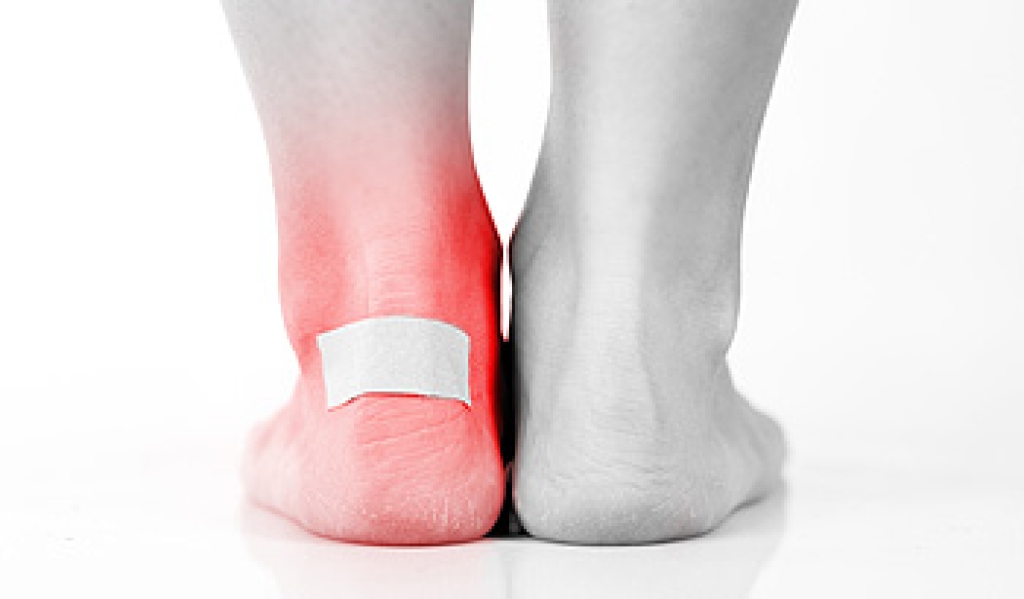
How to Prevent Foot Blisters

Although they can be annoying and uncomfortable, most blisters that occur on the feet are harmless and appear as the result of friction from shoes rubbing repeatedly against a specific area of the skin. There are several steps that you can take to prevent blisters. First, it is important to have the right footwear. It is imperative that the shoes that are worn fit properly, and moisture-wicking socks can also be worn to protect the feet and keep them cool and dry. If you have areas on your feet that are prone to blistering, padding those areas by wearing a moleskin bandage over them may help prevent the blisters from developing. If you are performing an activity, such as running, and you feel pain or discomfort in your feet or that the skin on your feet has become red and irritated, it is suggested that you cease the activity immediately to avoid blister formation. For more information about how to prevent blisters, please consult with a podiatrist. 

Blisters are prone to making everyday activities extremely uncomfortable. If your feet are hurting, contact Sarah Urton, DPM of Kitsilano Foot and Ankle Clinic. Our doctor can provide the care you need to keep you pain-free and on your feet.

Foot Blisters

Foot blisters develop as a result of constantly wearing tight or ill-fitting footwear. This happens due to the constant rubbing from the shoe, which can often lead to pain.

What Are Foot Blisters?

A foot blister is a small fluid-filled pocket that forms on the upper-most layer of the skin. Blisters are filled with clear fluid and can lead to blood drainage or pus if the area becomes infected.

How Do Blisters Form?

Blisters on the feet are often the result of constant friction of skin and material, usually by shoe rubbing. Walking in sandals, boots, or shoes that don’t fit properly for long periods of time can result in a blister. Having consistent foot moisture and humidity can easily lead to blister formation.

Prevention & Treatment

It is important to properly care for the affected area in order to prevent infection and ease the pain. Do not lance the blister and use a Band-Aid to provide pain relief. Also, be sure to keep your feet dry and wear proper fitting shoes. If you see blood or pus in a blister, seek assistance from a podiatrist.

If you have any questions, please feel free to contact our office located in Vancouver, BC . We offer the newest diagnostic and treatment technologies for all your foot care needs.


Read more about Blisters on the Feet

When Is Joint Replacement Surgery an Option?

When damage or disease in a joint does not improve or respond to conservative treatment, joint replacement surgery may be an option to help the patient feel and move better. In joint replacement surgery, damaged or diseased joints are replaced with fabricated parts in an effort to help the joint work better, while relieving pain and increasing or restoring mobility. Joint replacement surgery can typically be performed on many different joints in the body, including the joints in the ankles and big toes. These prosthetic joints can last many years. If you are suffering from joint pain in your feet or ankles, contact a podiatrist to see if you are a good candidate for joint replacement surgery.

In certain cases, in which the patient suffers from extreme pain or damage in a joint, joint replacement surgery may be deemed useful. If you have constant pain in a foot joint, consult with Sarah Urton, DPM from Kitsilano Foot and Ankle Clinic. Our doctor will assess your condition and provide you with quality foot and ankle treatment.

What Is Joint Replacement Surgery?

Over time, joints wear down; this can be exacerbated by diseases and conditions. Joint replacement surgery, also known as arthroplasty, is when a damaged joint is surgically removed and replaced with a prosthesis. Prostheses, which can be made of ceramic, plastic, or metal, act as joints in lieu of an actual joint. One of the most prevalent causes for joint replacement is arthritis.

Arthritis in the Foot

Arthritis can occur in any joint in the body, including in the feet. Common types of arthritis in the foot are osteoarthritis, rheumatoid arthritis, and gout. The big toe is usually where arthritis occurs in the foot; this is known as hallux rigidus.

Joint Replacement Surgery in the Foot

The most common form of joint replacement in the foot is a first metatarsophalangeal (MTP) joint placement. MTP joint replacement surgery is designed to treat hallux rigidus. Surgery is not intensive, and recovery occurs within one to two months after the procedure has been done. Overall, joint replacement surgery is a safe and effective way to treat pain in the joint of the foot.

If you have any questions, please feel free to contact our office located in Vancouver, BC . We offer the newest diagnostic and treatment technologies for all your foot care needs.
Read more about Joint Replacement Surgery

Do You Suffer From Painful Feet?

Painful deformities, such as hammertoes, can be treated. Stop living with foot pain, and have beautiful feet again!

My Foot Pain Keeps Me up at Night

For many people, foot pain from certain conditions causes sleepless nights for themselves and their partners. These conditions include: peripheral neuropathy—a nerve disorder causing numbness and pain in both the feet and hands, Morton's neuroma—where pinched bones aggravate and inflame a nerve, a pinched nerve—which occurs in the lower back and travels down the sciatic nerve into the foot, and restless leg syndrome—where a chemical imbalance interrupts normal brain-to-nerve-cell signals and triggers involuntary leg movements. If you or your loved one are experiencing any nocturnal foot pain, contact a podiatrist who can help diagnose and treat your condition so you can get some relief and a good night’s sleep.

Foot Pain

Foot pain can be extremely painful and debilitating. If you have a foot pain, consult with Sarah Urton, DPM from Kitsilano Foot and Ankle Clinic. Our doctor will assess your condition and provide you with quality foot and ankle treatment.

Causes

Foot pain is a very broad condition that could be caused by one or more ailments. The most common include:

  • Bunions
  • Hammertoes
  • Plantar Fasciitis
  • Bone Spurs
  • Corns
  • Tarsal Tunnel Syndrome
  • Ingrown Toenails
  • Arthritis (such as Gout, Rheumatoid, and Osteoarthritis)
  • Flat Feet
  • Injury (from stress fractures, broken toe, foot, ankle, Achilles tendon ruptures, and sprains)
  • And more

Diagnosis

To figure out the cause of foot pain, podiatrists utilize several different methods. This can range from simple visual inspections and sensation tests to X-rays and MRI scans. Prior medical history, family medical history, and any recent physical traumatic events will all be taken into consideration for a proper diagnosis.

Treatment

Treatment depends upon the cause of the foot pain. Whether it is resting, staying off the foot, or having surgery; podiatrists have a number of treatment options available for foot pain.

If you have any questions, please feel free to contact our office located in Vancouver, BC . We offer the newest diagnostic and treatment technologies for all your foot care needs.
Read more about Foot Pain

Orthotics for Diabetics

Orthotic inserts are shoe inserts which can be worn to help manage a variety of foot and ankle conditions. People with diabetes are often prone to foot problems, especially diabetic foot ulcers and other slow healing wounds. These wounds usually form due to pressure and friction from the shoes. Both over-the-counter and custom orthotics may help prevent foot problems in people who have diabetes. Orthotic inserts can make walking more comfortable, reducing pressure and friction on the feet by correcting for overpronation and evenly distributing body weight across the foot. To learn more about orthotics for diabetics, please consult with a podiatrist.

If you are having discomfort in your feet and would like to try orthotics, contact Sarah Urton, DPM from Kitsilano Foot and Ankle Clinic. Our doctor can provide the care you need to keep you pain-free and on your feet.

What Are Orthotics?

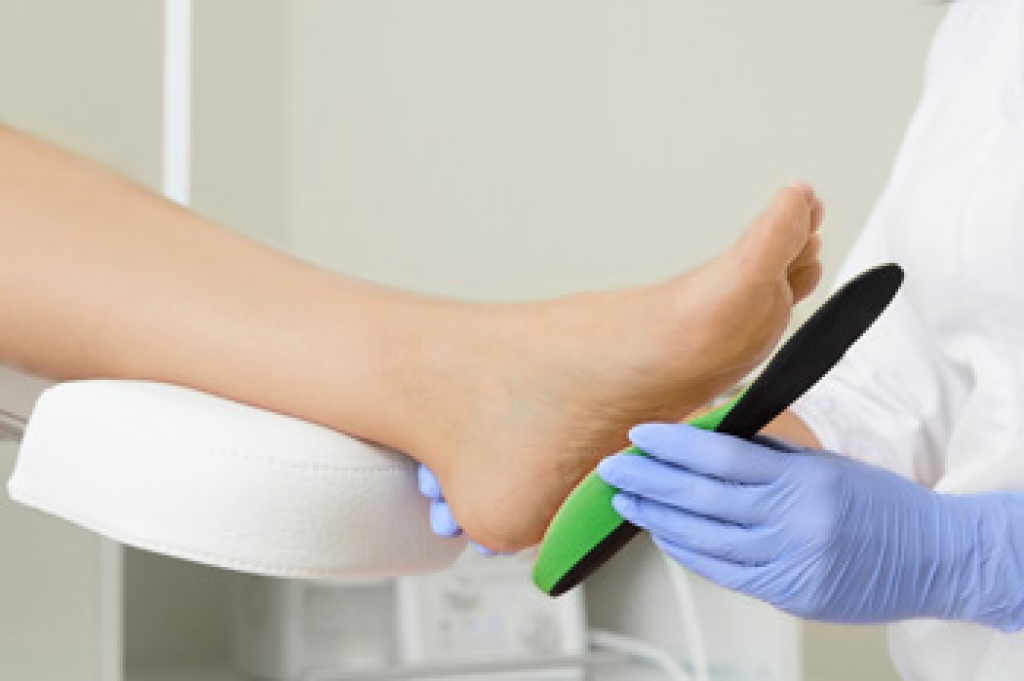
Orthotics are inserts you can place into your shoes to help with a variety of foot problems such as flat feet or foot pain. Orthotics provide relief and comfort for minor foot and heel pain but can’t correct serious biomechanical problems in your feet.

Over-the-Counter Inserts

Orthotics come in a wide variety of over-the-counter inserts that are used to treat foot pain, heel pain, and minor problems. For example, arch supports can be inserted into your shoes to help correct overarched or flat feet, while gel insoles are often used because they provide comfort and relief from foot and heel pain by alleviating pressure.

Prescription Orthotics

If over-the-counter inserts don’t work for you or if you have a more severe foot concern, it is possible to have your podiatrist prescribe custom orthotics. These high-quality inserts are designed to treat problems such as abnormal motion, plantar fasciitis, and severe forms of heel pain. They can even be used to help patients suffering from diabetes by treating foot ulcers and painful calluses and are usually molded to your feet individually, which allows them to provide full support and comfort.

If you are experiencing minor to severe foot or heel pain, it’s recommended to speak with your podiatrist about the possibilities of using orthotics. A podiatrist can determine which type of orthotic is right for you and allow you to take the first steps towards being pain-free.

If you have any questions, please feel free to contact our office located in Vancouver, BC . We offer the newest diagnostic and treatment technologies for all your foot care needs.

Read more about Foot Orthotics

Connect With Us

Advanced Podiatric Procedures & Services in the Vancouver (Kitsilano, Kerrisdale, West Point Grey), Burnaby, Richmond, New Westminster, Surrey, Coquitlam, Port Moody, West Vancouver, North Vancouver areas