
Plantar warts are small growths that develop on parts of the feet that bear weight. They're typically found on the bottom of the foot. Don't live with plantar warts, and call us today!
Plantar warts are small growths that develop on parts of the feet that bear weight. They're typically found on the bottom of the foot. Don't live with plantar warts, and call us today!
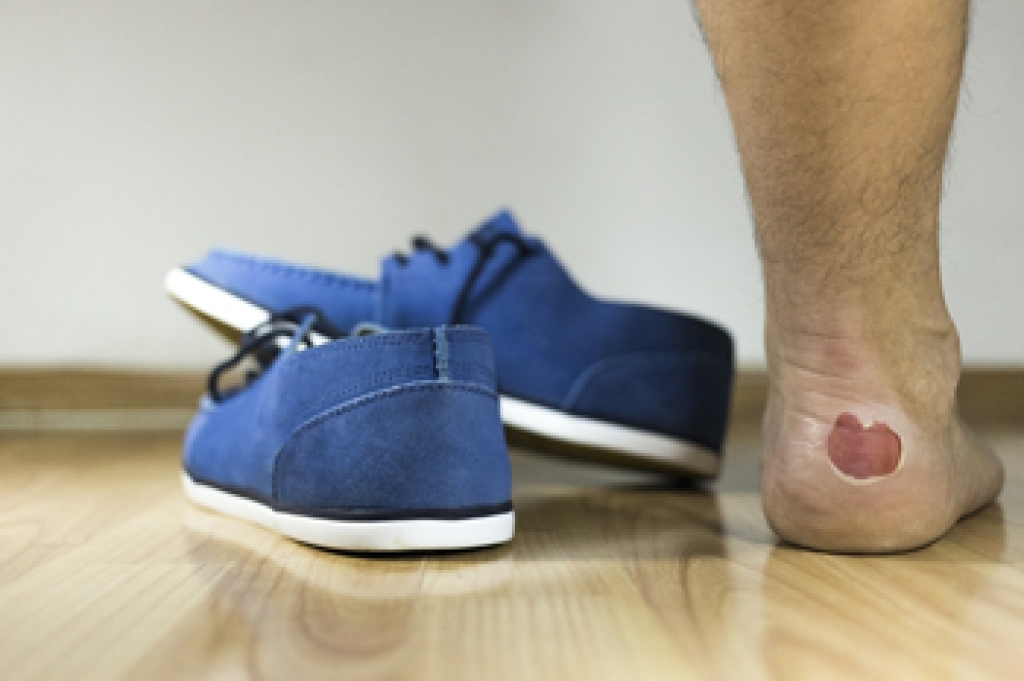
Foot blisters often develop when shoes create friction against the skin, especially with new footwear that has not yet softened. Wearing new shoes gradually can help them adapt to the shape of your feet and reduce irritation. Gently pressing and flexing the heel area of the shoe can also help soften stiff sections and improve comfort. It is important to ensure that the shoe fits properly so it can support your foot without excessive rubbing. Risk factors for blisters include wearing tight shoes, poor fit, long periods of walking, and moisture. A podiatrist can evaluate footwear concerns, recommend protective strategies, and help prevent recurring irritation. If you have developed painful foot blisters, it is suggested that you consult a podiatrist who can offer effective treatment and relief.
Blisters are prone to making everyday activities extremely uncomfortable. If your feet are hurting, contact Sarah Urton, DPM of Kitsilano Foot and Ankle Clinic. Our doctor can provide the care you need to keep you pain-free and on your feet.
Foot Blisters
Foot blisters develop as a result of constantly wearing tight or ill-fitting footwear. This happens due to the constant rubbing from the shoe, which can often lead to pain.
What Are Foot Blisters?
A foot blister is a small fluid-filled pocket that forms on the upper-most layer of the skin. Blisters are filled with clear fluid and can lead to blood drainage or pus if the area becomes infected.
How Do Blisters Form?
Blisters on the feet are often the result of constant friction of skin and material, usually by shoe rubbing. Walking in sandals, boots, or shoes that don’t fit properly for long periods of time can result in a blister. Having consistent foot moisture and humidity can easily lead to blister formation.
Prevention & Treatment
It is important to properly care for the affected area in order to prevent infection and ease the pain. Do not lance the blister and use a Band-Aid to provide pain relief. Also, be sure to keep your feet dry and wear proper fitting shoes. If you see blood or pus in a blister, seek assistance from a podiatrist.
If you have any questions, please feel free to contact our office located in Vancouver, BC . We offer the newest diagnostic and treatment technologies for all your foot care needs.

An ingrown toenail occurs when the edge of the nail grows into the surrounding skin, often affecting the big toe. This can lead to redness, swelling, and tenderness along the nail border. The area may feel painful with pressure from wearing shoes or walking. In some cases, the skin may become infected, causing drainage, warmth, or a throbbing sensation. The toe may look inflamed or slightly swollen, and symptoms can worsen if left untreated. Common causes include improper nail trimming, wearing tight footwear, injury, or naturally curved nails. A podiatrist can evaluate the severity of the ingrown nail, and determine the most appropriate treatment. Care may include gentle removal of the ingrown portion, guidance on proper nail care, or a minor procedure to prevent recurrence. Early treatment can help relieve discomfort and reduce the risk of infection. If you have an ingrown toenail, it is suggested that you schedule an appointment with a podiatrist for appropriate treatment solutions.
Ingrown toenails can become painful if they are not treated properly. For more information about ingrown toenails, contact Sarah Urton, DPM of Kitsilano Foot and Ankle Clinic. Our doctor can provide the care you need to keep you pain-free and on your feet.
Ingrown Toenails
Ingrown toenails occur when a toenail grows sideways into the bed of the nail, causing pain, swelling, and possibly infection.
Causes
Prevention
Wearing proper fitting shoes and using proper cutting techniques will also help decrease your risk of developing ingrown toenails.
Treatment
Ingrown toenails are a very treatable foot condition. In minor cases, soaking the affected area in salt or antibacterial soaps will not only help with the ingrown nail itself, but also help prevent any infections from occurring. In more severe cases, surgery is an option. In either case, speaking to your podiatrist about this condition will help you get a better understanding of specific treatment options that are right for you.
If you have any questions, please feel free to contact our office located in Vancouver, BC . We offer the newest diagnostic and treatment technologies for all your foot care needs.

Athlete’s foot is a contagious fungal infection that affects the skin of the feet and can move from person to person or across different areas of the body. Athlete’s foot develops when certain fungi settle into damp areas of the skin, particularly between the toes. The fungi spread easily in shared environments, such as gyms, locker rooms, and pool decks. They can also transfer through contact with contaminated items like shoes or towels. The skin may appear flaky, soft, or whitened, and can feel itchy, irritated, or mildly painful if small fissures form. Without treatment, the infection may persist or spread to the soles or toenails. A podiatrist can assess the affected skin and confirm the diagnosis through an examination. Treatment focuses on antifungal therapy, along with strategies to reduce moisture and prevent reinfection. If you have symptoms of athlete’s foot, it is suggested that you schedule an appointment with a podiatrist for effective relief and treatment solutions.
Athlete’s Foot
Athlete’s foot is often an uncomfortable condition to experience. Thankfully, podiatrists specialize in treating athlete’s foot and offer the best treatment options. If you have any questions about athlete’s foot, consult with Sarah Urton, DPM from Kitsilano Foot and Ankle Clinic. Our doctor will assess your condition and provide you with quality treatment.
What Is Athlete’s Foot?
Tinea pedis, more commonly known as athlete’s foot, is a non-serious and common fungal infection of the foot. Athlete’s foot is contagious and can be contracted by touching someone who has it or infected surfaces. The most common places contaminated by it are public showers, locker rooms, and swimming pools. Once contracted, it grows on feet that are left inside moist, dark, and warm shoes and socks.
Prevention
The most effective ways to prevent athlete’s foot include:
Symptoms
Athlete’s foot initially occurs as a rash between the toes. However, if left undiagnosed, it can spread to the sides and bottom of the feet, toenails, and if touched by hand, the hands themselves. Symptoms include:
Diagnosis and Treatment
Diagnosis is quick and easy. Skin samples will be taken and either viewed under a microscope or sent to a lab for testing. Sometimes, a podiatrist can diagnose it based on simply looking at it. Once confirmed, treatment options include oral and topical antifungal medications.
If you have any questions, please feel free to contact our office located in Vancouver, BC . We offer the newest diagnostic and treatment technologies for all your foot care needs.

Foot pain can significantly affect hikers by limiting endurance and enjoyment on the trail. Plantar fasciitis is inflammation of the tissue along the bottom of the foot that causes heel pain. Toenail problems, such as thickening or ingrown nails, can create pressure and discomfort. Blisters are fluid-filled lesions caused by friction and moisture that can become painful if not treated. Prevention includes wearing properly fitting shoes and moisture-wicking socks, as well as stretching the feet before starting activity to improve flexibility. Keeping feet clean and dry also reduces risk. A podiatrist can diagnose foot conditions, provide treatment, and recommend supportive footwear. If you have developed foot pain from hiking, it is suggested that you consult a podiatrist who can offer effective treatment and prevention tips.
Foot Pain
Foot pain can be extremely painful and debilitating. If you have a foot pain, consult with Sarah Urton, DPM from Kitsilano Foot and Ankle Clinic. Our doctor will assess your condition and provide you with quality foot and ankle treatment.
Causes
Foot pain is a very broad condition that could be caused by one or more ailments. The most common include:
Diagnosis
To figure out the cause of foot pain, podiatrists utilize several different methods. This can range from simple visual inspections and sensation tests to X-rays and MRI scans. Prior medical history, family medical history, and any recent physical traumatic events will all be taken into consideration for a proper diagnosis.
Treatment
Treatment depends upon the cause of the foot pain. Whether it is resting, staying off the foot, or having surgery; podiatrists have a number of treatment options available for foot pain.
If you have any questions, please feel free to contact our office located in Vancouver, BC . We offer the newest diagnostic and treatment technologies for all your foot care needs.
Connect With Us
