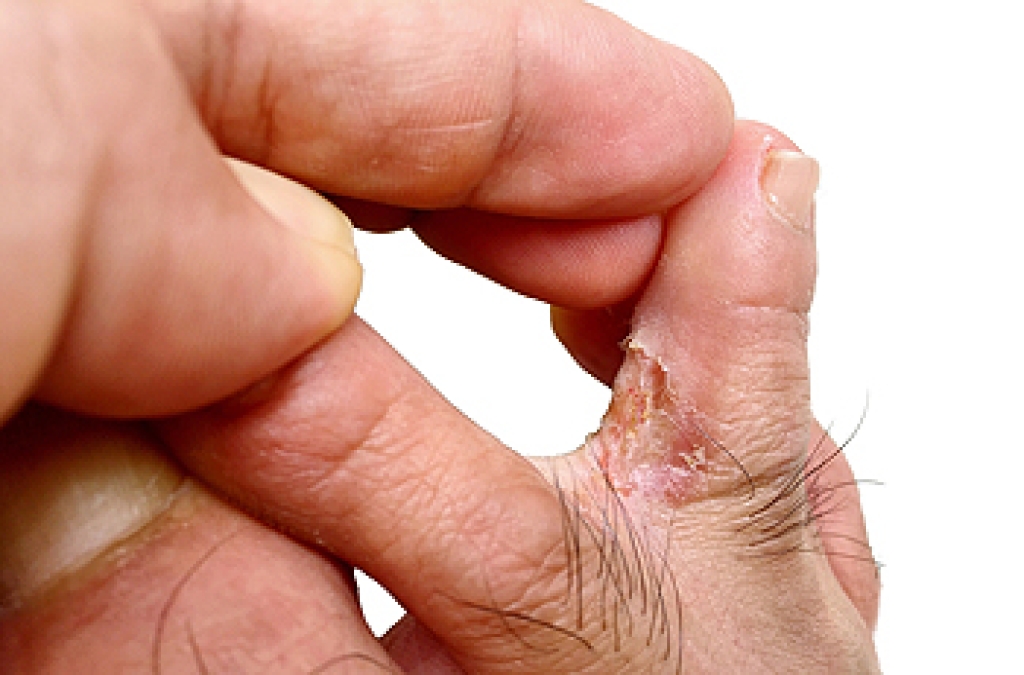
How Corns Develop

A corn on the foot may develop as a result of excess friction, and can be uncomfortable. It may develop between the toes, and appears to be a soft growth, often causing difficulty in walking. Additionally, many patients notice they form on top of the toes. This may be common in patients who have hammertoe. Mild relief may be found when the foot is soaked in warm water, as this generally helps to soften the corn. Corn pads can be worn while completing daily activities, and this is beneficial in protecting the affected area against additional friction. If you have corns, and would like advice about how to treat them, it is suggested that you consult with a podiatrist who can help you to manage this condition.

If you have any concerns regarding your feet and ankles, contact Sarah Urton, DPM of Kitsilano Foot and Ankle Clinic. Our doctor will treat your foot and ankle needs.

Corns: What Are They? and How Do You Get Rid of Them?
Corns can be described as areas of the skin that have thickened to the point of becoming painful or irritating. They are often layers and layers of the skin that have become dry and rough, and are normally smaller than calluses.

Ways to Prevent Corns
There are many ways to get rid of painful corns such as wearing:

  • Well-fitting socks
  • Comfortable shoes that are not tight around your foot
  • Shoes that offer support

Treating Corns
Treatment of corns involves removing the dead skin that has built up in the specific area of the foot. Consult with Our doctor to determine the best treatment option for your case of corns.

If you have any questions, please feel free to contact our office located in Vancouver, BC . We offer the newest diagnostic and treatment technologies for all your foot care needs.
Read more about Corns: What Are They, and How Do You Get Rid of Them

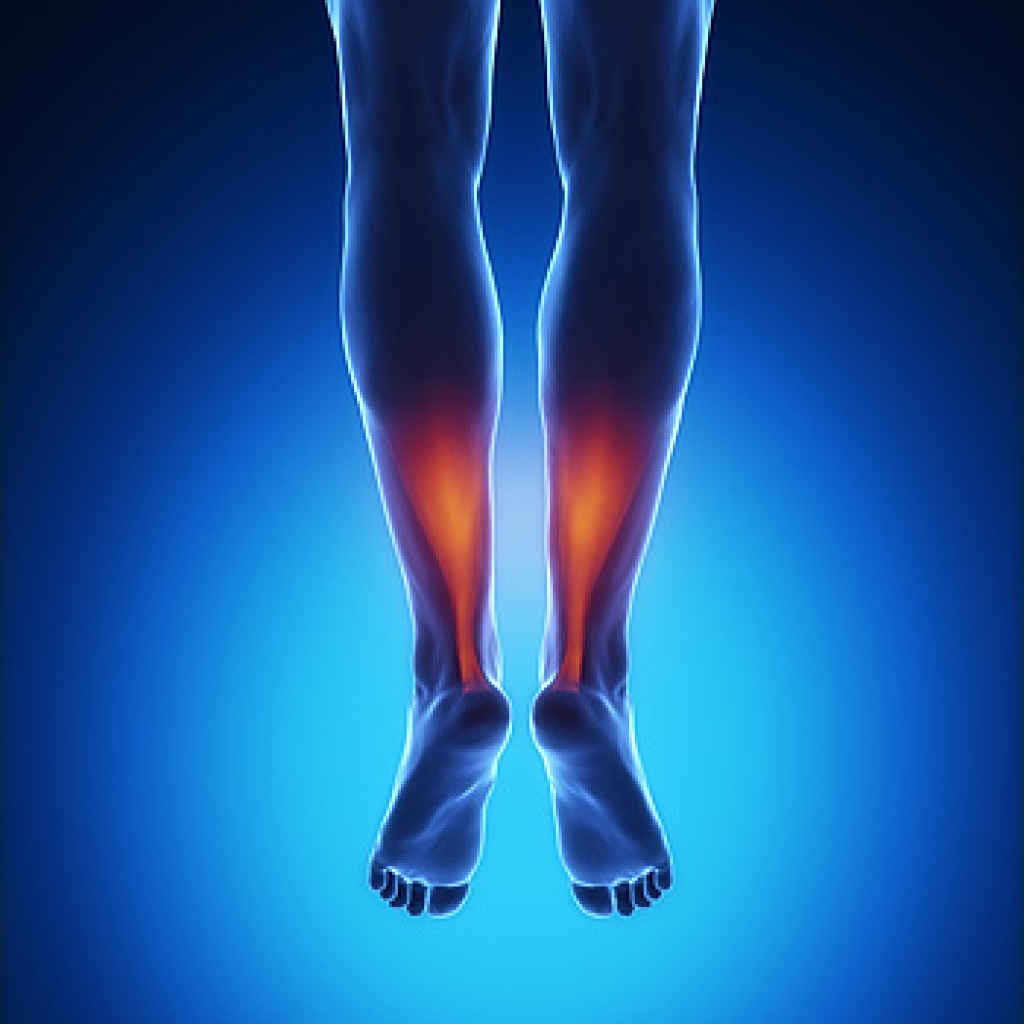
Painful Achilles Tendon Injury

The Achilles tendon is comprised of two muscles in the calf, and is considered to be the strongest tendon in the body. Injuries to this tendon can be caused by participating in running and jumping activities. Additionally, they can occur as a result of wearing flip flops in the warmer weather, which may cause the Achilles tendon to stretch further than it normally would. Common symptoms that are typically felt with this type of injury may consist of the inability to point and flex the toes, soreness that is felt upon arising in the morning, and difficulty walking. Moderate relief may be found when the proper shoes are worn, and if gentle stretches are implemented into a daily routine. If you have injured your Achilles tendon, it is strongly advised that you consult with a podiatrist who can properly treat this condition.

Achilles tendon injuries need immediate attention to avoid future complications. If you have any concerns, contact Sarah Urton, DPM of Kitsilano Foot and Ankle Clinic. Our doctor can provide the care you need to keep you pain-free and on your feet.

What Is the Achilles Tendon?

The Achilles tendon is a tendon that connects the lower leg muscles and calf to the heel of the foot. It is the strongest tendon in the human body and is essential for making movement possible. Because this tendon is such an integral part of the body, any injuries to it can create immense difficulties and should immediately be presented to a doctor.

What Are the Symptoms of an Achilles Tendon Injury?

There are various types of injuries that can affect the Achilles tendon. The two most common injuries are Achilles tendinitis and ruptures of the tendon.

Achilles Tendinitis Symptoms

  • Inflammation
  • Dull to severe pain
  • Increased blood flow to the tendon
  • Thickening of the tendon

Rupture Symptoms

  • Extreme pain and swelling in the foot
  • Total immobility

Treatment and Prevention

Achilles tendon injuries are diagnosed by a thorough physical evaluation, which can include an MRI. Treatment involves rest, physical therapy, and in some cases, surgery. However, various preventative measures can be taken to avoid these injuries, such as:

  • Thorough stretching of the tendon before and after exercise
  • Strengthening exercises like calf raises, squats, leg curls, leg extensions, leg raises, lunges, and leg presses

If you have any questions please feel free to contact our office located in Vancouver, BC . We offer the newest diagnostic tools and technology to treat your foot and ankle needs.

Read more about What are Achilles Tendon Injuries

Treatment Options for a Broken Foot

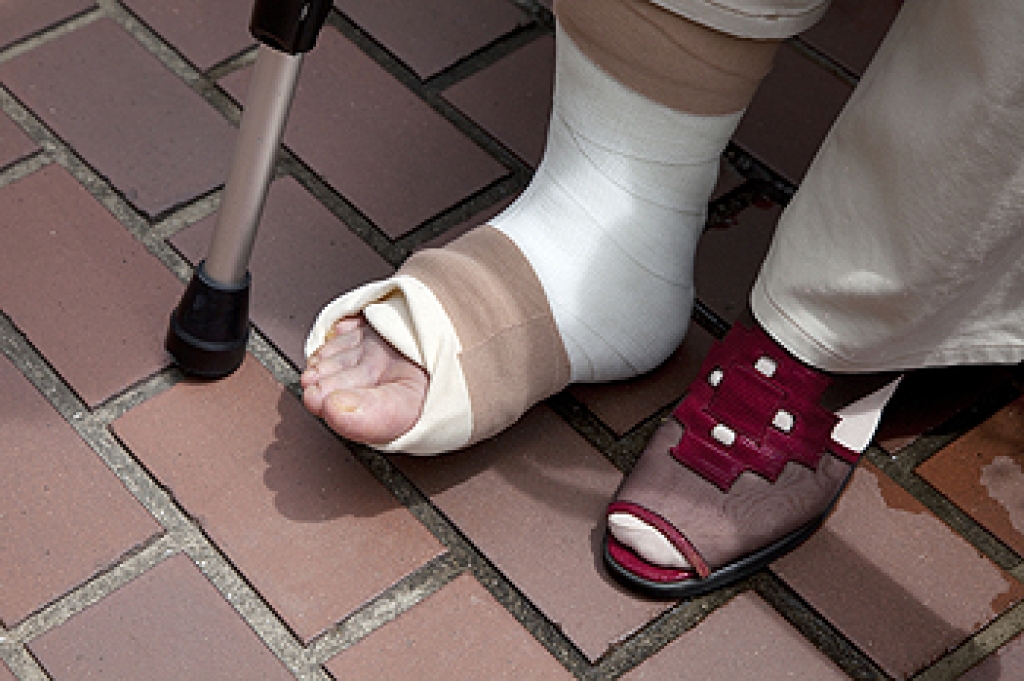
A common cause of a broken foot is a traumatic fall. Additionally, it can happen gradually from repeated stress that occurs in the same area of the foot. This can develop from frequently participating in sporting activities that involve running and jumping. The symptoms that many patients experience include severe pain and discomfort, an inability to walk, and the foot may become swollen or bruised. After a proper diagnosis is performed, which typically consists of having an X-ray taken, treatment can begin. The type of treatment may depend on the severity of the fracture. Effective methods can consist of wearing a boot or cast. If your foot is severely fractured, surgery may be necessary to repair the affected bones. If you have broken your foot, please consult with a podiatrist as quickly as possible to begin treatment.

A broken foot requires immediate medical attention and treatment. If you need your feet checked, contact Sarah Urton, DPM from Kitsilano Foot and Ankle Clinic. Our doctor can provide the care you need to keep you pain-free and on your feet.

Broken Foot Causes, Symptoms, and Treatment

A broken foot is caused by one of the bones in the foot typically breaking when bended, crushed, or stretched beyond its natural capabilities. Usually the location of the fracture indicates how the break occurred, whether it was through an object, fall, or any other type of injury. 

Common Symptoms of Broken Feet:

  • Bruising
  • Pain
  • Redness
  • Swelling
  • Blue in color
  • Numbness
  • Cold
  • Misshapen
  • Cuts
  • Deformities

Those that suspect they have a broken foot shoot seek urgent medical attention where a medical professional could diagnose the severity.

Treatment for broken bones varies depending on the cause, severity and location. Some will require the use of splints, casts or crutches while others could even involve surgery to repair the broken bones. Personal care includes the use of ice and keeping the foot stabilized and elevated.

If you have any questions, please feel free to contact our office located in Vancouver, BC . We offer the newest diagnostic and treatment technologies for all your foot care needs.
Read more about Causes, Symptoms, and Treatment for a Broken Foot

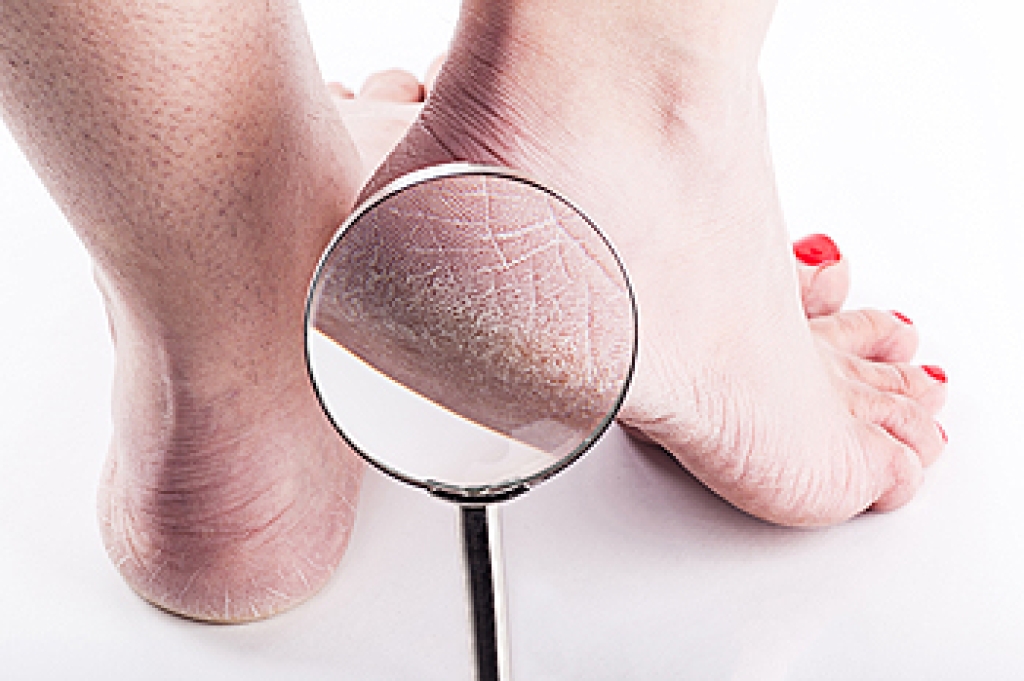
Possible Causes of Cracked Heels

Dry skin will generally precede the condition that is known as cracked heels. This ailment affects the outer edges of the heels and can cause severe pain and discomfort. Common reasons for cracked heels to develop can include standing for extended periods of time throughout the day, wearing shoes that have an open back, or medical conditions such as eczema or psoriasis. Research has indicated that it may be beneficial to sanitize a bowl and soak your feet in warm water. This, followed by using a good moisturizer, can be useful in locking in the moisture that soaking the feet provided. If you are severely affected by cracked heels, it is suggested that you consult with a podiatrist who can offer you treatment options and discuss preventative methods. 

Cracked heels are unsightly and can cause further damage to your shoes and feet. If you have any concerns, contact Sarah Urton, DPM from Kitsilano Foot and Ankle Clinic. Our doctor can provide the care you need to keep you pain-free and on your feet.

Cracked Heels

Cracked heels appear unappealing and can make it harder for you walk around in sandals. Aside from looking unpleasant, cracked heels can also tear stockings, socks, and wear out your shoes. There are several methods to help restore a cracked heel and prevent further damage.

How Do You Get Them?

Dry skin is the number one culprit in creating cracked heels. Many athletes, walkers, joggers, and even swimmers suffer from cracked heels. Age and skin oil production play a role to getting cracked heels as well.

Promote Healing

Over the counter medicines can help, especially for those that need instant relief or who suffer from chronic dry feet.

Wear Socks – Wearing socks with medicated creams helps lock in moisture.

Moisturizers – Applying both day and night will help alleviate dryness which causes cracking.

Pumice Stones – These exfoliate and remove dead skin, which allows for smoother moisturizer application and better absorption into the skin. 

Change in Diet

Eating healthy with a well-balanced diet will give the skin a fresh and radiant look. Your body responds to the kinds of food you ingest. Omega-3 fatty acids and zinc supplements can also revitalize skin tissue.

Most importantly, seek professional help if unsure how to proceed in treating cracked heels. A podiatrist will help you with any questions or information needed. 

If you have any questions, please feel free to contact our office located in Vancouver, BC . We offer the newest diagnostic and treatment technologies for all your foot care needs.
Read more about Solutions for Cracked Heels

Foot Ulcers and Prompt Treatment

Wounds on the feet are common in diabetic patients. Many patients may have difficulty in feeling any discomfort on their feet, which may be a result of neuropathy. It is important to inspect your feet daily if you are diabetic, so any cuts, scrapes, or bruises can be promptly treated. A sore on the foot may lead to a foot ulcer. This is a type of wound that can possibly lead to amputation and must be diagnosed and treated correctly. Some of the symptoms that are associated with this type of wound can consist of a foul odor emanating from the area, swelling, and it is often painful when walked on. It is beneficial to properly clean the wound, apply the correct dressing, and wear shoes that have ample room for the entire foot. If you are afflicted with diabetes, and have developed a foot ulcer, it is strongly suggested that you are under the care of a podiatrist who can help you to manage your condition.

Wound care is an important part in dealing with diabetes. If you have diabetes and a foot wound or would like more information about wound care for diabetics, consult with Sarah Urton, DPM from Kitsilano Foot and Ankle Clinic. Our doctor will assess your condition and provide you with quality foot and ankle treatment.

What Is Wound Care?

Wound care is the practice of taking proper care of a wound. This can range from the smallest to the largest of wounds. While everyone can benefit from proper wound care, it is much more important for diabetics. Diabetics often suffer from poor blood circulation which causes wounds to heal much slower than they would in a non-diabetic. 

What Is the Importance of Wound Care?

While it may not seem apparent with small ulcers on the foot, for diabetics, any size ulcer can become infected. Diabetics often also suffer from neuropathy, or nerve loss. This means they might not even feel when they have an ulcer on their foot. If the wound becomes severely infected, amputation may be necessary. Therefore, it is of the upmost importance to properly care for any and all foot wounds.

How to Care for Wounds

The best way to care for foot wounds is to prevent them. For diabetics, this means daily inspections of the feet for any signs of abnormalities or ulcers. It is also recommended to see a podiatrist several times a year for a foot inspection. If you do have an ulcer, run the wound under water to clear dirt from the wound; then apply antibiotic ointment to the wound and cover with a bandage. Bandages should be changed daily and keeping pressure off the wound is smart. It is advised to see a podiatrist, who can keep an eye on it.

If you have any questions please contact our office located in Vancouver, BC . We offer the newest diagnostic and treatment technologies for all your foot and ankle needs.

Read more about Wound Care

Connect With Us

Advanced Podiatric Procedures & Services in the Vancouver (Kitsilano, Kerrisdale, West Point Grey), Burnaby, Richmond, New Westminster, Surrey, Coquitlam, Port Moody, West Vancouver, North Vancouver areas