Items filtered by date: July 2025

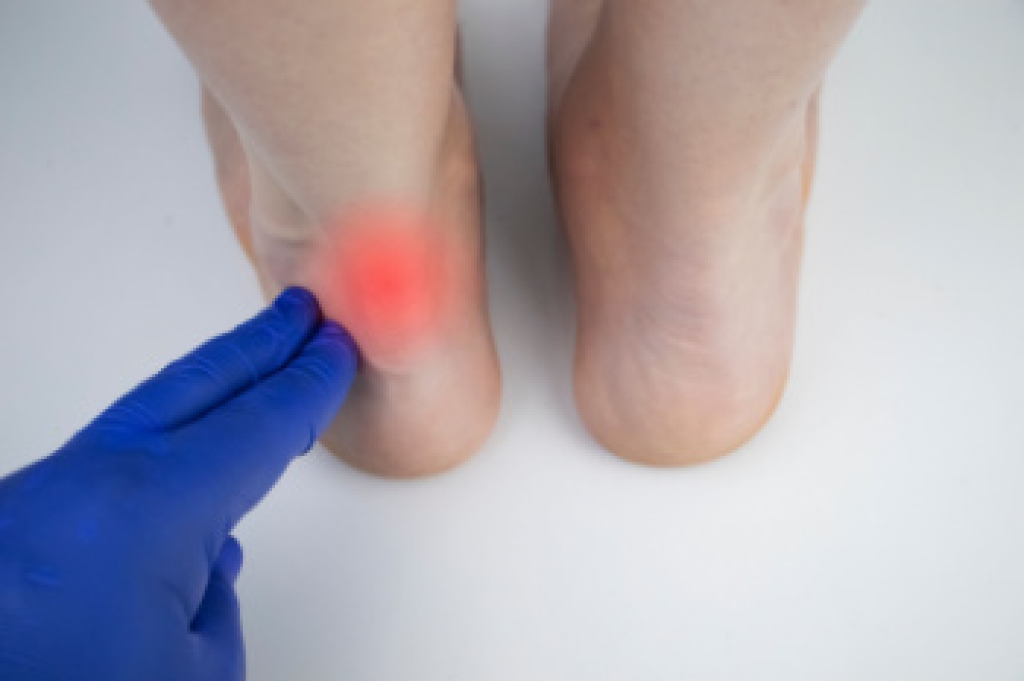
Plantar fasciitis is a common foot condition characterized by inflammation of the thick band of tissue connecting the heel to the toes. It is often caused by repetitive strain, overuse, tight calf muscles, or footwear that lacks adequate support. Risk factors include obesity, prolonged standing, high arches, and certain types of exercise. Symptoms usually include sharp heel pain, especially with the first steps in the morning or after periods of rest. A podiatrist can diagnose plantar fasciitis with a thorough examination and recommend stretching exercises, orthotic devices, and anti-inflammatory measures. If you have heel pain, it is strongly suggested that you consult a podiatrist who can accurately diagnose and treat plantar fasciitis.

Plantar fasciitis is a common foot condition that is often caused by a strain injury. If you are experiencing heel pain or symptoms of plantar fasciitis, contact Sarah Urton, DPM from Kitsilano Foot and Ankle Clinic. Our doctor can provide the care you need to keep you pain-free and on your feet.

What Is Plantar Fasciitis?

Plantar fasciitis is one of the most common causes of heel pain. The plantar fascia is a ligament that connects your heel to the front of your foot. When this ligament becomes inflamed, plantar fasciitis is the result. If you have plantar fasciitis you will have a stabbing pain that usually occurs with your first steps in the morning. As the day progresses and you walk around more, this pain will start to disappear, but it will return after long periods of standing or sitting.

What Causes Plantar Fasciitis?

  • Excessive running
  • Having high arches in your feet
  • Other foot issues such as flat feet
  • Pregnancy (due to the sudden weight gain)
  • Being on your feet very often

There are some risk factors that may make you more likely to develop plantar fasciitis compared to others. The condition most commonly affects adults between the ages of 40 and 60. It also tends to affect people who are obese because the extra pounds result in extra stress being placed on the plantar fascia.

Prevention

  • Take good care of your feet – Wear shoes that have good arch support and heel cushioning.
  • Maintain a healthy weight
  • If you are a runner, alternate running with other sports that won’t cause heel pain

There are a variety of treatment options available for plantar fasciitis along with the pain that accompanies it. Additionally, physical therapy is a very important component in the treatment process. It is important that you meet with your podiatrist to determine which treatment option is best for you.

If you have any questions, please feel free to contact our office located in Vancouver, BC . We offer the newest diagnostic and treatment technologies for all your foot care needs.
 

Read more about Plantar Fasciitis
Tuesday, 22 July 2025 00:00

Common Conditions That Cause Foot Pain

Foot pain can stem from several common conditions, including plantar fasciitis, tendonitis, and bunions. Plantar fasciitis is caused by inflammation of the tissue connecting the heel to the toes, often due to overuse or poor footwear. It is one of the most common causes of foot pain, affecting over two million Americans each year. Tendonitis, especially in the Achilles or peroneal tendons, results from repetitive stress. Bunions are bony bumps that form at the base of the big toe, often due to genetics or wearing improper shoes. These conditions can cause sharp or aching pain, swelling, stiffness, and difficulty walking. You may notice redness, a bump near a toe, or discomfort that worsens with activity. A podiatrist may recommend orthotics, stretching exercises, anti-inflammatory medications, or, in severe cases, surgical correction. If you have foot pain, it is suggested that you schedule an appointment with a podiatrist for an accurate diagnose and appropriate treatment.

Foot Pain

Foot pain can be extremely painful and debilitating. If you have a foot pain, consult with Sarah Urton, DPM from Kitsilano Foot and Ankle Clinic. Our doctor will assess your condition and provide you with quality foot and ankle treatment.

Causes

Foot pain is a very broad condition that could be caused by one or more ailments. The most common include:

  • Bunions
  • Hammertoes
  • Plantar Fasciitis
  • Bone Spurs
  • Corns
  • Tarsal Tunnel Syndrome
  • Ingrown Toenails
  • Arthritis (such as Gout, Rheumatoid, and Osteoarthritis)
  • Flat Feet
  • Injury (from stress fractures, broken toe, foot, ankle, Achilles tendon ruptures, and sprains)
  • And more

Diagnosis

To figure out the cause of foot pain, podiatrists utilize several different methods. This can range from simple visual inspections and sensation tests to X-rays and MRI scans. Prior medical history, family medical history, and any recent physical traumatic events will all be taken into consideration for a proper diagnosis.

Treatment

Treatment depends upon the cause of the foot pain. Whether it is resting, staying off the foot, or having surgery; podiatrists have a number of treatment options available for foot pain.

If you have any questions, please feel free to contact our office located in Vancouver, BC . We offer the newest diagnostic and treatment technologies for all your foot care needs.

Read more about Foot Pain
Tuesday, 15 July 2025 00:00

When Your Child Fractures a Foot

A foot fracture in a child involves a break in one or more of the bones in the foot and may occur from direct impact, twisting injuries, or overuse. Common signs of a broken foot include pain, swelling, bruising, and difficulty bearing weight or walking. In some cases, the foot may appear misshapen or have an open wound. A podiatrist will examine the foot and may order imaging studies such as X-rays, CT scans, MRIs, or bone scans to determine the extent of the injury. Diagnostic imaging helps identify the exact location and severity of the break. Treatment may involve immobilizing the foot with a cast or splint to promote bone healing and reduce movement. In more severe fractures, surgery may be needed to realign the bones and stabilize them using hardware such as wires or screws. Prompt professional care reduces the risk of long-term complications. If your child has sustained a foot fracture, it is suggested that you schedule an immediate appointment with a podiatrist for appropriate treatment.

A broken foot requires immediate medical attention and treatment. If you need your feet checked, contact Sarah Urton, DPM from Kitsilano Foot and Ankle Clinic. Our doctor can provide the care you need to keep you pain-free and on your feet.

Broken Foot Causes, Symptoms, and Treatment

A broken foot is caused by one of the bones in the foot typically breaking when bended, crushed, or stretched beyond its natural capabilities. Usually the location of the fracture indicates how the break occurred, whether it was through an object, fall, or any other type of injury. 

Common Symptoms of Broken Feet:

  • Bruising
  • Pain
  • Redness
  • Swelling
  • Blue in color
  • Numbness
  • Cold
  • Misshapen
  • Cuts
  • Deformities

Those that suspect they have a broken foot shoot seek urgent medical attention where a medical professional could diagnose the severity.

Treatment for broken bones varies depending on the cause, severity and location. Some will require the use of splints, casts or crutches while others could even involve surgery to repair the broken bones. Personal care includes the use of ice and keeping the foot stabilized and elevated.

If you have any questions, please feel free to contact our office located in Vancouver, BC . We offer the newest diagnostic and treatment technologies for all your foot care needs.

Read more about Causes, Symptoms, and Treatment for a Broken Foot
Tuesday, 08 July 2025 00:00

Recognizing Metatarsal Stress Fractures

A metatarsal stress fracture is a small crack in one of the long bones of the foot, caused by repetitive pressure or overuse. Common in athletes, dancers, and individuals who increase activity levels quickly, this injury often develops gradually. Symptoms include localized pain that worsens with weight-bearing, swelling, and tenderness over the affected bone. Risk factors include poor footwear, sudden changes in activity or intensity, weak bones, and biomechanical issues. A podiatrist can diagnose the fracture using imaging and physical exams and will guide recovery through rest, protective footwear, or activity modification. If you have foot pain that increases with movement, it is suggested that you promptly visit a podiatrist who can accurately diagnose the problem and provide treatment..

Activities where too much pressure is put on the feet can cause stress fractures. To learn more, contact Sarah Urton, DPM from Kitsilano Foot and Ankle Clinic. Our doctor can provide the care you need to keep your pain free and on your feet.

Dealing with Stress Fractures of the Foot and Ankle

Stress fractures occur in the foot and ankle when muscles in these areas weaken from too much or too little use.  The feet and ankles then lose support when walking or running from the impact of the ground. Since there is no protection, the bones receive the full impact of each step. Stress on the feet can cause cracks to form in the bones, thus creating stress fractures.

What Are Stress Fractures?

Stress fractures occur frequently in individuals whose daily activities cause great impact on the feet and ankles. Stress factors are most common among:

  • Runners                                
  • People affected with Osteoporosis
  • Tennis or basketball players
  • Gymnasts
  • High impact workouts

Symptoms

Pain from the fractures occur in the area of the fractures and can be constant or intermittent. It will often cause sharp or dull pain with swelling and tenderness. Engaging in any kind of activity which involves high impact will aggravate pain.

If you have any questions please contact our office located in Vancouver, BC . We offer the newest diagnostic and treatment technologies for all your foot and ankle needs.

Read more about Stress Fractures of the Foot and Ankle

If you are suffering from tenderness, pain, or stiffness in the joints of your feet or ankles, call us to schedule an appointment.

Tuesday, 01 July 2025 00:00

Definition and Symptoms of Corns

Corns on the feet are thick, hardened areas of skin that develop from repeated pressure or friction, often on the toes or soles. They are caused by wearing ill-fitting shoes, abnormal gait, or prolonged standing. Symptoms include a rough, raised bump surrounded by inflamed skin and tenderness when pressure is applied. Risk factors include wearing tight shoes, having foot deformities like hammertoes or bunions, or walking barefoot on hard surfaces. A podiatrist can identify the root cause, safely remove the corn, and recommend footwear changes or custom orthotics to prevent recurrence. For relief from painful corns and long-term prevention, it is suggested that you consult a podiatrist trained in treating common and complex foot conditions.

If you have any concerns regarding your feet and ankles, contact Sarah Urton, DPM of Kitsilano Foot and Ankle Clinic. Our doctor will treat your foot and ankle needs.

Corns: What Are They? and How Do You Get Rid of Them?
Corns can be described as areas of the skin that have thickened to the point of becoming painful or irritating. They are often layers and layers of the skin that have become dry and rough, and are normally smaller than calluses.

Ways to Prevent Corns
There are many ways to get rid of painful corns such as wearing:

  • Well-fitting socks
  • Comfortable shoes that are not tight around your foot
  • Shoes that offer support

Treating Corns
Treatment of corns involves removing the dead skin that has built up in the specific area of the foot. Consult with Our doctor to determine the best treatment option for your case of corns.

If you have any questions, please feel free to contact our office located in Vancouver, BC . We offer the newest diagnostic and treatment technologies for all your foot care needs.

Read more about Corns: What Are They, and How Do You Get Rid of Them

Connect With Us

Advanced Podiatric Procedures & Services in the Vancouver (Kitsilano, Kerrisdale, West Point Grey), Burnaby, Richmond, New Westminster, Surrey, Coquitlam, Port Moody, West Vancouver, North Vancouver areas