
Gout is a painful, inflammatory form of arthritis. Those affected will typically feel an intense stiffness in the joints of their feet, particularly in the big toe. Schedule a visit to learn about how gout can be managed and treated.
Gout is a painful, inflammatory form of arthritis. Those affected will typically feel an intense stiffness in the joints of their feet, particularly in the big toe. Schedule a visit to learn about how gout can be managed and treated.
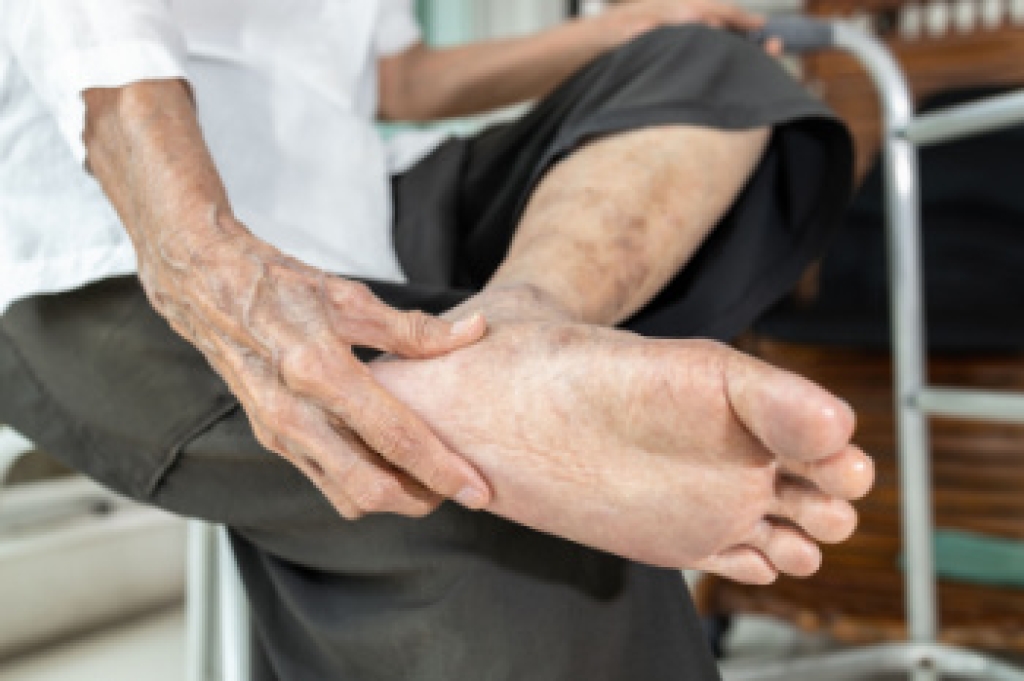
Foot problems become more frequent with age as natural changes affect the bones, joints, and soft tissues. A loss of flexibility can lead to flat feet, where the arch collapses and causes strain. Seniors may also develop bunions, which are bony bumps at the base of the big toe that can lead to pain and difficulty walking. Joint wear, often called arthritis, can cause stiffness and swelling in the feet and ankles. In addition, reduced bone strength increases the risk of stress fractures, which are small cracks in the bone caused by repeated pressure. Circulation changes and nerve issues may also lead to discomfort or reduced feeling in the feet. A podiatrist can evaluate these conditions, provide custom orthotics to improve support, and offer medical care to relieve pain and prevent further damage. If you are experiencing foot pain as a senior adult, it is suggested that you make an appointment with a podiatrist for a diagnosis and treatment.
Proper foot care is something many older adults forget to consider. If you have any concerns about your feet and ankles, contact Sarah Urton, DPM from Kitsilano Foot and Ankle Clinic. Our doctor can provide the care you need to keep you pain-free and on your feet.
The Elderly and Their Feet
As we age we start to notice many changes in our body, but the elder population may not notice them right away. Medical conditions may prevent the elderly to take notice of their foot health right away. Poor vision is a lead contributor to not taking action for the elderly.
Common Conditions
Susceptible Infections
Diabetes and poor circulation can cause general loss of sensitivity over the years, turning a simple cut into a serious issue.
If you have any questions, please feel free to contact our office located in Vancouver, BC . We offer the newest diagnostic and treatment technologies for all your foot care needs.
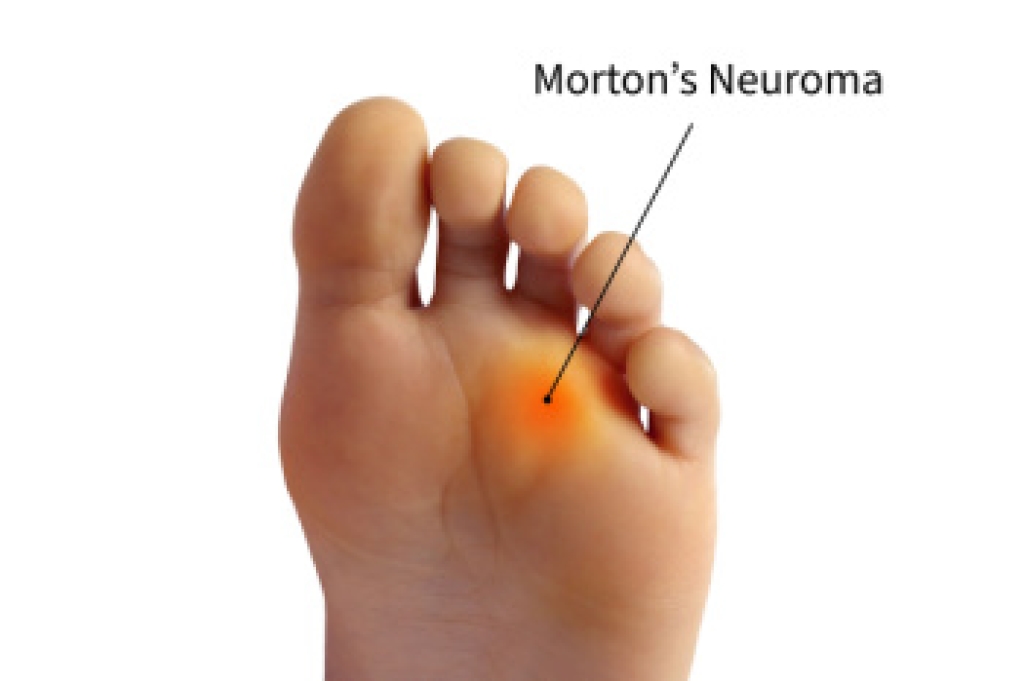
Morton’s neuroma is a condition involving thickening of nerve tissue in the foot, most commonly located between the third and fourth toes. It often causes pain in the ball of the foot that may feel like burning, tingling, or the sensation of standing on a small object. This condition can develop from irritation or compression of the nerve. Common causes include flat feet, high arches, bunions, repetitive sports activities, and wearing tight or narrow shoes. Symptoms may worsen with walking or prolonged standing. Risk factors include wearing improper footwear, foot structure, and repetitive stress. A podiatrist can help by diagnosing the condition, relieving pressure on the nerve, and recommending supportive care. If you have pain in this part of your foot, it is suggested that you consult a podiatrist who can effectively diagnose and treat what may be going on.
Morton’s neuroma is a very uncomfortable condition to live with. If you think you have Morton’s neuroma, contact Sarah Urton, DPM of Kitsilano Foot and Ankle Clinic. Our doctor will attend to all of your foot care needs and answer any of your related questions.
Morton’s Neuroma
Morton's neuroma is a painful foot condition that commonly affects the areas between the second and third or third and fourth toe, although other areas of the foot are also susceptible. Morton’s neuroma is caused by an inflamed nerve in the foot that is being squeezed and aggravated by surrounding bones.
What Increases the Chances of Having Morton’s Neuroma?
Morton’s neuroma is a very treatable condition. Orthotics and shoe inserts can often be used to alleviate the pain on the forefront of the feet. In more severe cases, corticosteroids can also be prescribed. In order to figure out the best treatment for your neuroma, it’s recommended to seek the care of a podiatrist who can diagnose your condition and provide different treatment options.
If you have any questions, please feel free to contact our office located in Vancouver, BC . We offer the newest diagnostic and treatment technologies for all your foot care needs.
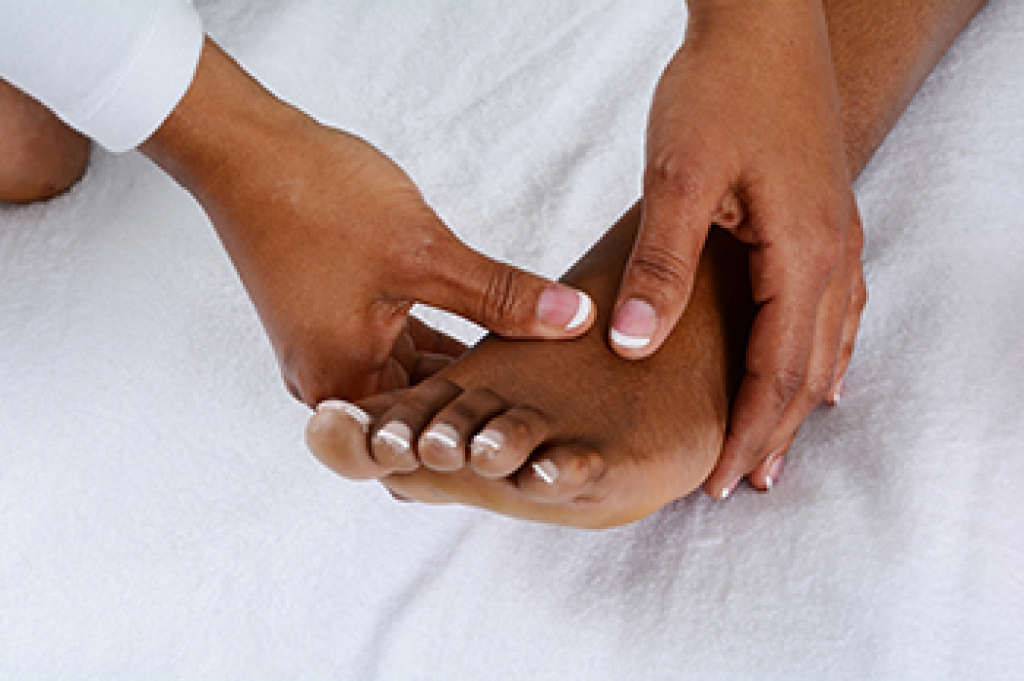
Pedicures can feel relaxing and leave feet looking well cared for, but they also carry a risk of infection, if proper hygiene is not followed. Small nicks in the skin, aggressive cuticle trimming, or the use of non-sterile tools can allow bacteria or fungi to enter. This may lead to redness, swelling, pain, or changes in the nails, including thickening or discoloration. Shared foot baths that are not thoroughly cleaned between clients can also harbor microorganisms that increase the chance of skin or nail problems. Even minor irritation can become more serious if left untreated, especially for those with sensitive skin or underlying health conditions. Choosing a salon that follows strict cleaning protocols and avoiding shaving before a pedicure can help reduce risk. Paying attention to any changes after a visit is important. If you notice signs of infection, it is suggested that you see a podiatrist for a proper diagnosis and immediate treatment.
Everyday foot care is very important to prevent infection and other foot ailments. If you need your feet checked, contact Sarah Urton, DPM from Kitsilano Foot and Ankle Clinic. Our doctor can provide the care you need to keep you pain-free and on your feet.
Everyday Foot Care
Often, people take care of their bodies, face and hair more so than they do for their feet. But the feet are a very important aspect of our bodies, and one that we should pay more attention to. Without our feet, we would not be able to perform most daily tasks.
It is best to check your feet regularly to make sure there are no new bruises or cuts that you may not have noticed before. For dry feet, moisturizer can easily be a remedy and can be applied as often as necessary to the affected areas. Wearing shoes that fit well can also help you maintain good foot health, as well as making it easier to walk and do daily activities without the stress or pain of ill-fitting shoes, high heels, or even flip flops. Wearing clean socks with closed shoes is important to ensure that sweat and bacteria do not accumulate within the shoe. Clean socks help to prevent Athlete’s foot, fungi problems, bad odors, and can absorb sweat.
If you have any questions, please feel free to contact our office located in Vancouver, BC . We offer the newest diagnostic and treatment technologies for all your foot care needs.
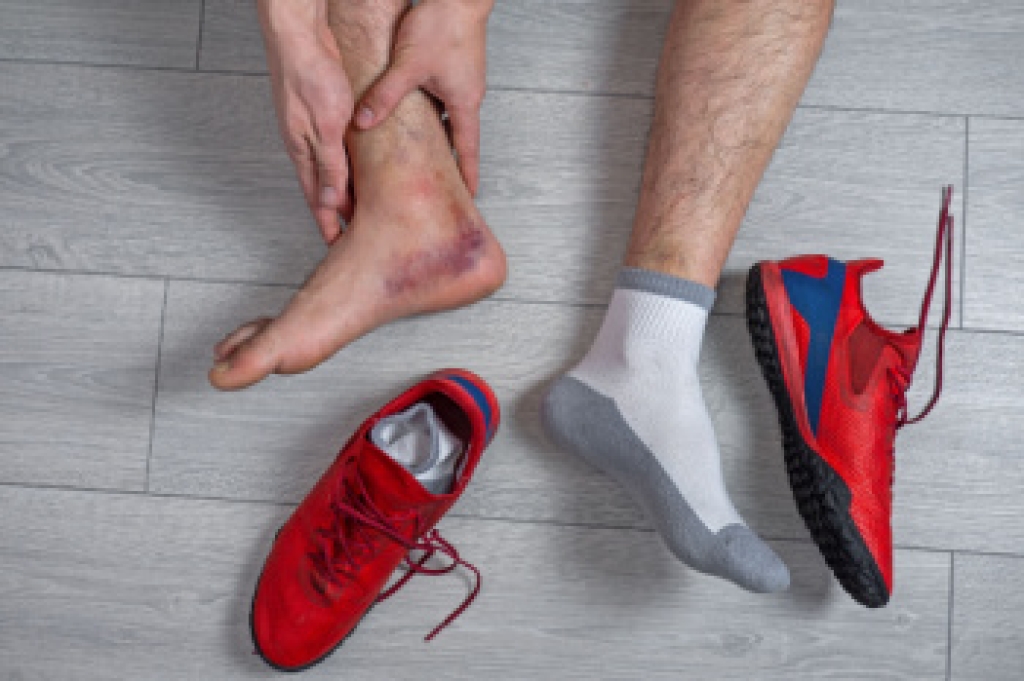
Ankle sprains are one of the most common injuries affecting the foot and ankle. They often occur when the foot suddenly rolls inward on uneven ground or during sports that involve jumping or quick direction changes. This motion can stretch or tear the ligaments, which are strong bands of tissue that hold the ankle bones together and keep the joint stable. People with high arches, loose joints, or a history of past sprains may have a higher risk of ankle sprains. Symptoms typically include pain, swelling, bruising, and difficulty walking or placing weight on the foot. Ankle sprains are usually classified as mild, moderate, or severe, depending on how much the ligaments are damaged. A podiatrist can evaluate the injury, determine its severity, order imaging tests to confirm the diagnosis, and develop a treatment plan to restore strength and stability. If you have injured an ankle, it is suggested that you make an appointment with a podiatrist for an exam, diagnosis, and treatment.
Although ankle sprains are common, they aren’t always minor injuries. If you need your ankle injury looked at, contact Sarah Urton, DPM from Kitsilano Foot and Ankle Clinic. Our doctor can provide the care you need to keep you pain-free and on your feet.
How Does an Ankle Sprain Occur?
Ankle sprains are the result of a tear in the ligaments within the ankle. These injuries may happen when you make a rapid shifting movement while your foot is planted. A less common way to sprain your ankle is when your ankle rolls inward while your foot turns outward.
What Are the Symptoms?
Preventing a Sprain
Treatment of a Sprain
In many cases, the RICE method (Rest, Ice, Compression, and Elevate) is used to treat ankle sprains. However, you should see a podiatrist to see which treatment option would work best with your injury. In severe cases, surgery may be required.
It is important to ask your doctor about rehab options after you receive treatment for your injury. Stretching, strength training, and balance exercises may help the ankle heal while also preventing further injury.
If you have any questions, please feel free to contact our office located in Vancouver, BC . We offer the newest diagnostic and treatment technologies for all your foot care needs.
Connect With Us
