Items filtered by date: October 2025
Plantar Warts Can Be Treated!
Falls Prevention Tips for Seniors

Falls are a leading cause of injury among seniors and often result from changes in balance, muscle strength, vision, or hearing. Chronic conditions and medication side effects can also affect coordination and stability. Additionally, household hazards like loose rugs or poor lighting increase the risk. Preventing falls starts with wearing supportive, non-slip shoes, improving home lighting, and engaging in exercises that build strength and balance. Regular foot care also plays an important role in stability and confidence while walking. A podiatrist can evaluate foot health, recommend proper footwear, and address pain or mobility issues that contribute to falls. If you have fallen and have injured your foot or ankle, it is suggested that you consult a podiatrist who can treat various foot conditions, and guide you on additional falls prevention tips.
Preventing falls among the elderly is very important. If you are older and have fallen or fear that you are prone to falling, consult with Sarah Urton, DPM from Kitsilano Foot and Ankle Clinic. Our doctor will assess your condition and provide you with quality advice and care.
Every 11 seconds, an elderly American is being treated in an emergency room for a fall related injury. Falls are the leading cause of head and hip injuries for those 65 and older. Due to decreases in strength, balance, senses, and lack of awareness, elderly persons are very susceptible to falling. Thankfully, there are a number of things older persons can do to prevent falls.
How to Prevent Falls
Some effective methods that older persons can do to prevent falls include:
- Enrolling in strength and balance exercise program to increase balance and strength
- Periodically having your sight and hearing checked
- Discuss any medications you have with a doctor to see if it increases the risk of falling
- Clearing the house of falling hazards and installing devices like grab bars and railings
- Utilizing a walker or cane
- Wearing shoes that provide good support and cushioning
- Talking to family members about falling and increasing awareness
Falling can be a traumatic and embarrassing experience for elderly persons; this can make them less willing to leave the house, and less willing to talk to someone about their fears of falling. Doing such things, however, will increase the likelihood of tripping or losing one’s balance. Knowing the causes of falling and how to prevent them is the best way to mitigate the risk of serious injury.
If you have any questions, please feel free to contact our office located in Vancouver, BC . We offer the newest diagnostic and treatment technologies for all your foot care needs.
Common Types of Athlete’s Foot

Athlete’s foot is a fungal infection that affects the skin on the feet, and usually occurs in three varieties called interdigital, moccasin, and vesicular. Interdigital athlete’s foot typically appears between the toes, causing itching, redness, peeling, and sometimes cracking or bleeding skin. Moccasin athlete’s foot affects the soles and sides of the feet, leading to dry, scaly, and thickened skin. Vesicular athlete’s foot is characterized by small, itchy blisters that may appear on the soles or insteps. Causes include walking barefoot in moist, communal areas, wearing damp socks, and poor foot hygiene. The infection can feel itchy, burning, or uncomfortable, and the affected skin may appear red, flaky, or cracked. A podiatrist can diagnose athlete’s foot through a physical examination and skin scrapings, if needed. Treatment may include antifungal creams, oral medications, and advice on prevention. To address symptoms effectively, it is suggested that you schedule an appointment with a podiatrist who can effectively treat athlete's foot.
Athlete’s Foot
Athlete’s foot is often an uncomfortable condition to experience. Thankfully, podiatrists specialize in treating athlete’s foot and offer the best treatment options. If you have any questions about athlete’s foot, consult with Sarah Urton, DPM from Kitsilano Foot and Ankle Clinic. Our doctor will assess your condition and provide you with quality treatment.
What Is Athlete’s Foot?
Tinea pedis, more commonly known as athlete’s foot, is a non-serious and common fungal infection of the foot. Athlete’s foot is contagious and can be contracted by touching someone who has it or infected surfaces. The most common places contaminated by it are public showers, locker rooms, and swimming pools. Once contracted, it grows on feet that are left inside moist, dark, and warm shoes and socks.
Prevention
The most effective ways to prevent athlete’s foot include:
- Thoroughly washing and drying feet
- Avoid going barefoot in locker rooms and public showers
- Using shower shoes in public showers
- Wearing socks that allow the feet to breathe
- Changing socks and shoes frequently if you sweat a lot
Symptoms
Athlete’s foot initially occurs as a rash between the toes. However, if left undiagnosed, it can spread to the sides and bottom of the feet, toenails, and if touched by hand, the hands themselves. Symptoms include:
- Redness
- Burning
- Itching
- Scaly and peeling skin
Diagnosis and Treatment
Diagnosis is quick and easy. Skin samples will be taken and either viewed under a microscope or sent to a lab for testing. Sometimes, a podiatrist can diagnose it based on simply looking at it. Once confirmed, treatment options include oral and topical antifungal medications.
If you have any questions, please feel free to contact our office located in Vancouver, BC . We offer the newest diagnostic and treatment technologies for all your foot care needs.
Understanding Ankle Tendonitis and Its Many Forms

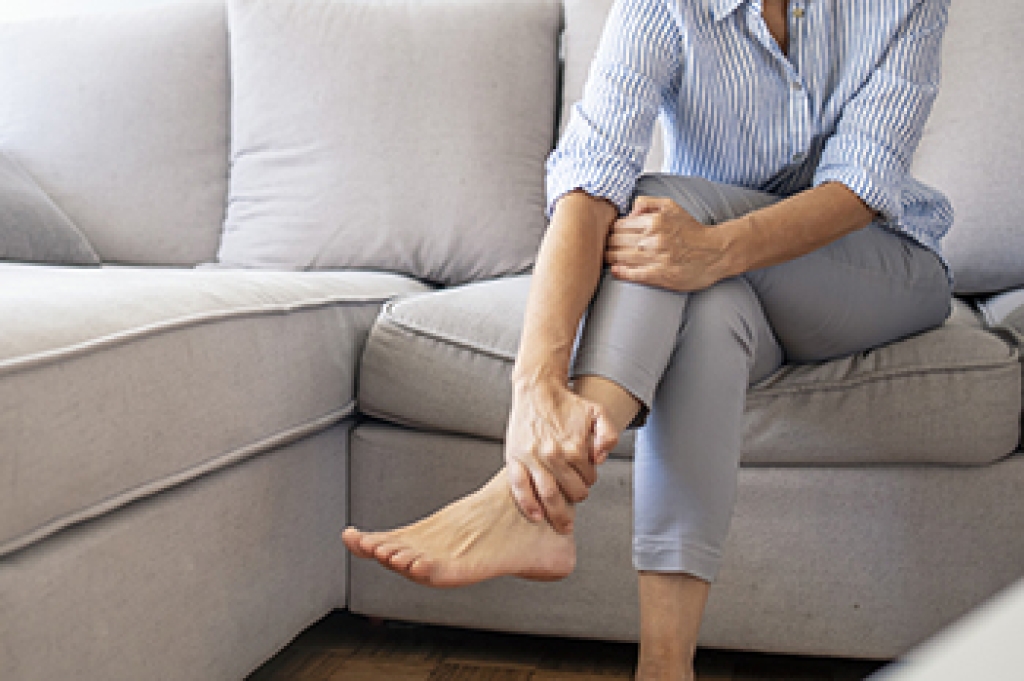
Ankle tendonitis is inflammation of the tendons around the ankle joint, often caused by overuse, improper footwear, flat feet, or sudden increases in physical activity. Common types include Achilles tendonitis, posterior tibial tendonitis, and peroneal tendonitis. Symptoms may involve aching, swelling, stiffness, and tenderness along the affected tendon, especially after activity or in the morning. The area may appear red or warm and can become painful when walking, climbing stairs, or standing for long periods. The pain is usually localized but can radiate along the ankle or lower leg. A podiatrist can diagnose the specific type of tendonitis through a physical examination, medical history, and imaging studies, such as ultrasound or MRI. Treatment may include anti-inflammatory medications, custom orthotics, targeted exercises, and temporary immobilization. In more severe cases, advanced therapies or surgery may be needed. Since untreated tendonitis can lead to chronic pain or tendon rupture, it is suggested that you make an appointment with a podiatrist.
Ankle pain can have many different causes and the pain may potentially be serious. If you have ankle pain, consult with Sarah Urton, DPM from Kitsilano Foot and Ankle Clinic. Our doctor will assess your condition and provide you with quality foot and ankle treatment.
Ankle pain is any condition that causes pain in the ankle. Due to the fact that the ankle consists of tendons, muscles, bones, and ligaments, ankle pain can come from a number of different conditions.
Causes
The most common causes of ankle pain include:
- Types of arthritis (rheumatoid, osteoarthritis, and gout)
- Ankle sprains
- Broken ankles
- Achilles tendinitis
- Achilles tendon rupture
- Stress fractures
- Tarsal tunnel syndrome
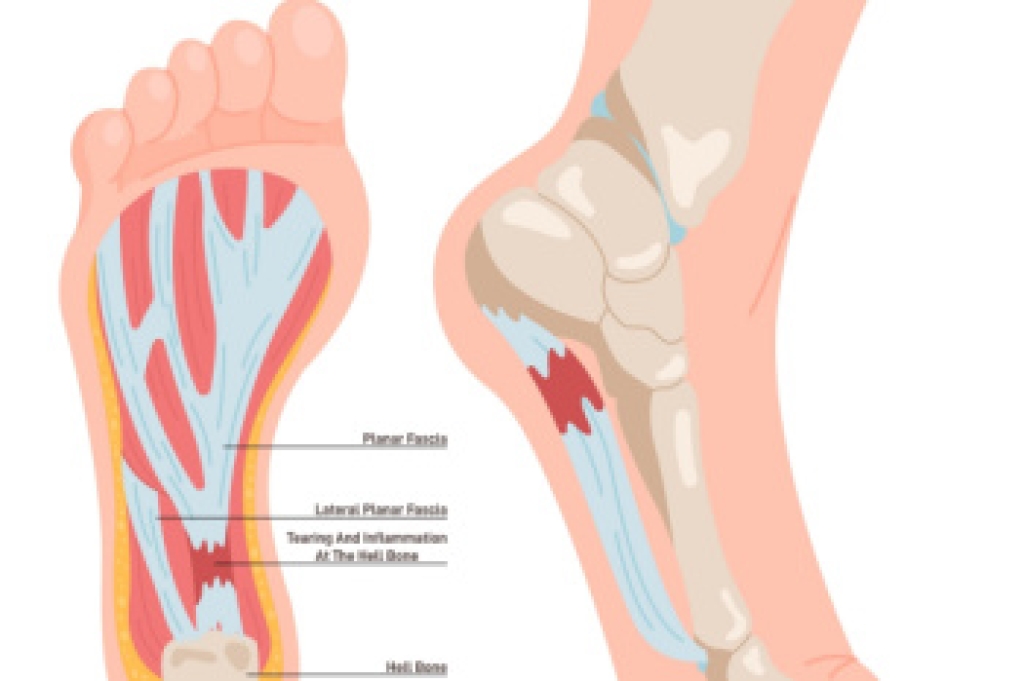
- Plantar fasciitis
Symptoms
Symptoms of ankle injury vary based upon the condition. Pain may include general pain and discomfort, swelling, aching, redness, bruising, burning or stabbing sensations, and/or loss of sensation.
Diagnosis
Due to the wide variety of potential causes of ankle pain, podiatrists will utilize a number of different methods to properly diagnose ankle pain. This can include asking for personal and family medical histories and of any recent injuries. Further diagnosis may include sensation tests, a physical examination, and potentially x-rays or other imaging tests.
Treatment
Just as the range of causes varies widely, so do treatments. Some more common treatments are rest, ice packs, keeping pressure off the foot, orthotics and braces, medication for inflammation and pain, and surgery.
If you have any questions please feel free to contact our office located in Vancouver, BC . We offer the newest diagnostic tools and technology to treat your foot and ankle needs.
The Curled Toe Problem

Hammertoe is a common foot deformity where one or more toes bend downward at the middle joint, causing a curled or claw-like appearance. This condition is often caused by a muscle imbalance, wearing tight footwear, injury, or arthritis. Symptoms include pain, swelling, redness, corns or calluses on the affected toe or on the top of the toe. Causes include friction with shoes, and difficulty walking or wearing certain shoes comfortably. The affected toe may feel stiff or sore, and worsen over time, if left untreated. A podiatrist can diagnose hammertoe through a physical examination and imaging, if necessary. Treatment options vary depending on severity, and may include changing footwear, custom orthotics, or, in advanced cases, surgery to correct the deformity. Early intervention can prevent progression and improve comfort. If you notice toe deformities or experience foot pain, it is suggested that you schedule an appointment with a podiatrist to receive a proper diagnosis and appropriate treatment.
Hammertoes can be a painful condition to live with. For more information, contact Sarah Urton, DPM of Kitsilano Foot and Ankle Clinic. Our doctor will answer any of your foot- and ankle-related questions.
Hammertoe
Hammertoe is a foot deformity that occurs due to an imbalance in the muscles, tendons, or ligaments that normally hold the toe straight. It can be caused by the type of shoes you wear, your foot structure, trauma, and certain disease processes.
Symptoms
- Painful and/or difficult toe movement
- Swelling
- Joint stiffness
- Calluses/Corns
- Physical deformity
Risk Factors
- Age – The risk of hammertoe increases with age
- Sex – Women are more likely to have hammertoe compared to men
- Toe Length – You are more likely to develop hammertoe if your second toe is longer than your big toe
- Certain Diseases – Arthritis and diabetes may make you more likely to develop hammertoe
Treatment
If you have hammertoe, you should change into a more comfortable shoe that provides enough room for your toes. Exercises such as picking up marbles may strengthen and stretch your toe muscles. Nevertheless, it is important to seek assistance from a podiatrist in order to determine the severity of your hammertoe and see which treatment option will work best for you.
If you have any questions, please feel free to contact our office located in Vancouver, BC . We offer the newest diagnostic and treatment technologies for all your foot care needs.